



The province of Misiones innovates with a productive project based on its unique biodiversity. It bets on the cultivation of edible and medicinal mushrooms.
As part of a strategy that seeks to diversify the agroproductive matrix, the Government promotes this development as an innovative, sustainable, and with a strong local impact alternative.
The Misionera Fungi Board: mushroom cultivation for the community
This initiative is materialized through the Misionera Fungi Board, created through an agreement between the Ministry of Agriculture and Production and the Misionero Institute of Biodiversity (IMiBio).
Its goal is to promote production, commercialization, and scientific research on native mushroom species. The aim is to promote a new economy based on the intelligent use of the resources of the Misiones jungle.
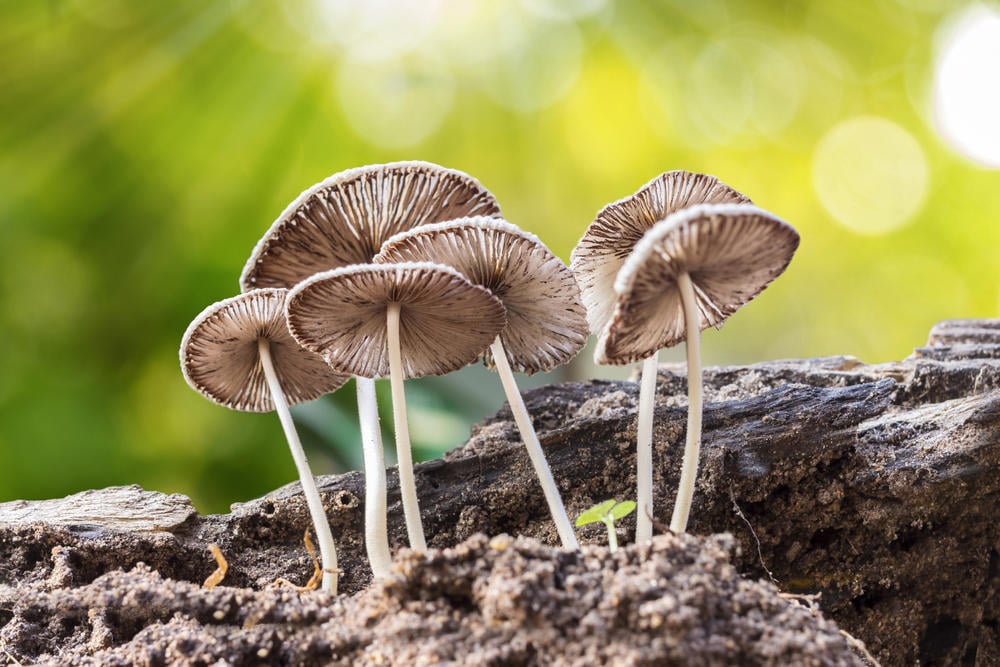 The new Misionera production.
In this context, the Chamber of Representatives of Misiones declared 2025 as the “Year of Awareness and Promotion of the Misionera Fungi”.
They thus established a favorable political and legislative framework to promote concrete actions.
The still unexplored productive potential
Misiones is the province with the greatest biodiversity in the country, and also one of the most active in designing public policies that articulate production, conservation, science, and innovation.
In this context, the world of mushrooms (fungi) represents a little-explored wealth with multiple benefits.
Among them, nutritional value, medicinal properties, low environmental impact, and real possibilities to generate income for rural families, cooperatives, and new ventures.
Currently, the local production of mushrooms in the province is incipient and consists of valuable but scattered experiences.
However, the creation of the Board allows to organize, articulate, and project a long-term strategy, summoning public and private actors, producers, researchers, educational institutions, and social organizations.
A development alternative with a Misionera stamp
Mushroom cultivation represents a low-cost agroproductive alternative with high impact. Furthermore, it is aligned with the circular economy model it promotes the province.
It allows the reuse of forest sector waste, such as eucalyptus sawdust or rice husks, and can be developed on a small or medium scale, without the need for large initial investments.
 Mushroom production.
Furthermore, the production of edible and medicinal mushrooms offers an opportunity to strengthen food sovereignty, diversify the local gastronomic offer, and promote the consumption of healthy and quality products.
Training and dissemination: IMiBio leads training in sustainable cultivation and harvesting
The Misionero Institute of Biodiversity (IMiBio) has been key in promoting this initiative. Through practical and theoretical workshops, the IMiBio trains producers, entrepreneurs, and local communities in the sustainable cultivation and harvesting of edible mushrooms.
These actions aim to strengthen regional economies, promote responsible use of natural resources, and contribute to biodiversity conservation.
The campaign also promotes the creation of networks of producers and consumers, facilitating access to local and regional markets, and promoting the consumption of local and sustainable products.


