



Santa Fe takes a historic step in environmental conservation by regulating its Wetlands Law. This is Law number 13,932, designed to protect these ecosystems essential for biodiversity and the hydrological balance of the province.
On Tuesday, June 10, 2025, the regulation of the law sanctioned in 2019 was officially established.
It establishes a mandatory legal framework for the preservation, conservation, and sustainable use of the wetlands in Santa Fe, internationally recognized by the Ramsar Convention (Jaaukanigás, Laguna Melincué, and the Delta and Islands of the Paraná).
“Wetlands are home to hundreds of species. They regulate water levels and act as natural filters,” said the Minister of Environment and Climate Change, Enrique Estévez.
Wetlands Law in Santa Fe: what does the regulation say
The province has three wetlands internationally recognized by the Ramsar Convention: Jaaukanigás, Laguna Melincué, and the Delta and Islands of the Paraná.
 The importance of wetlands.
The regulation incorporates wetlands into the Provincial Plan for Climate Change Response (Law 14,019), promoting adaptation and mitigation actions due to their role in water regulation and natural filtering.
Thus, it encourages coordination with municipalities to include wetlands in Territorial Environmental Planning Plans (OAT), ensuring sustainable land uses considered in urban and peri-urban planning.
Main regulatory tools
-
Provincial Wetlands Inventory (IPH): creates an updated register of wetlands, classifying them by typology, distribution, and ecological characteristics.
Additionally, the IPH is formatted in four levels of cartographic detail to facilitate its management. - Continuous Environmental Monitoring Plan: establishes periodic controls of water, soil, flora, and fauna quality, including chemical variables (such as BOD, COD, heavy metals) and biological (biodiversity, endemic species).
-
Strengthening of protected areas and biological corridors: added over 1100 ha to the Provincial System of Protected Natural Areas, incorporating private reserves and new Ramsar designations.
-
Mandatory environmental feasibility: any project that may affect a wetland must have an Environmental Impact Assessment and the corresponding feasibility, according to Law 11,717 and Decree 153/25.
Why is this vital for wetlands in Santa Fe?
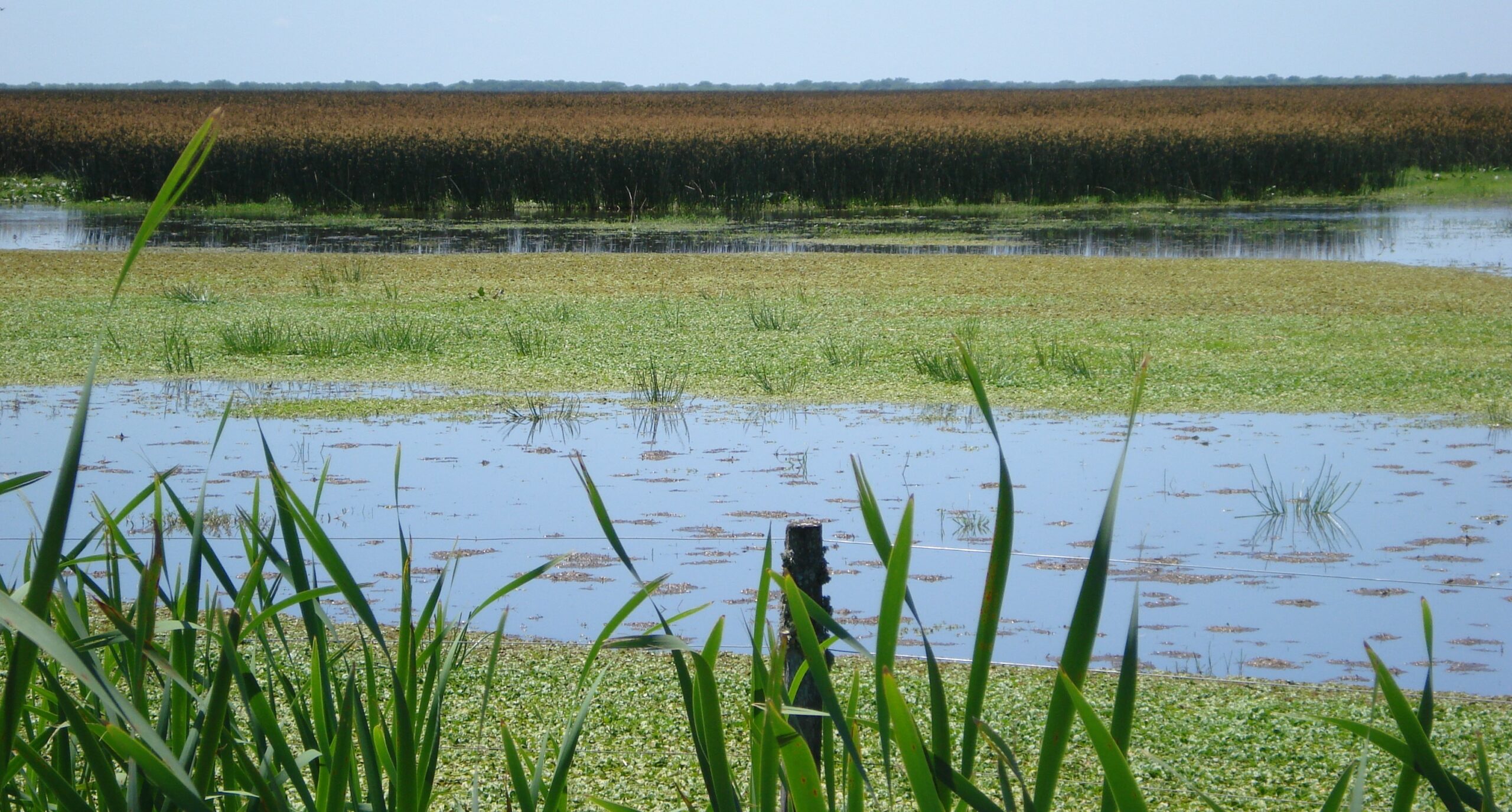 Santa Fe took a key step to protect wetlands.
Protecting these ecosystems is fundamental for the health of the planet and the way of life we know. It encompasses different key aspects:
-
Biodiversity and functional ecosystems: protects fundamental flora, fauna, and ecological processes.
-
Resilience to climate change: contributes to water regulation, flood reduction, and carbon sequestration.
-
Responsible land use: ensures planned development, minimizing anthropogenic impacts.
-
Public education: the legislation promotes environmental awareness in schools and communities.


