



In the Patagonian steppe, where the ground seems unalterable, there are corners that break the drought and bring life back to the land. These are the springs, the marshes, the lagoons: essential to restore wetlands.
They are small oases that sustain a surprising diversity of life, and that for centuries were also a refuge for people.
What are the springs and why are they essential for restoring wetlands
“In the steppe, we find them as depressions (lagoons), water outcrops on slopes (springs), and wet grasslands (marshes) distributed in the arid soil,” explains Emanuel Galetto, from the conservation team of Rewilding Argentina.
These are “water reservoirs and sites of very high biodiversity.” It is in these environments that watercourses that feed lagoons are born, and they serve as shelters for migratory birds like the hooded grebe or the red-gartered coot, both endangered species.
Thus, in Parque Patagonia, the plateau of Lago Buenos Aires acts like a sponge, retaining water from winter snowfalls and slowly releasing it on its slopes, where hanging marshes are formed, watercourses that meander between rocks and native grasses.
Water as the center of history
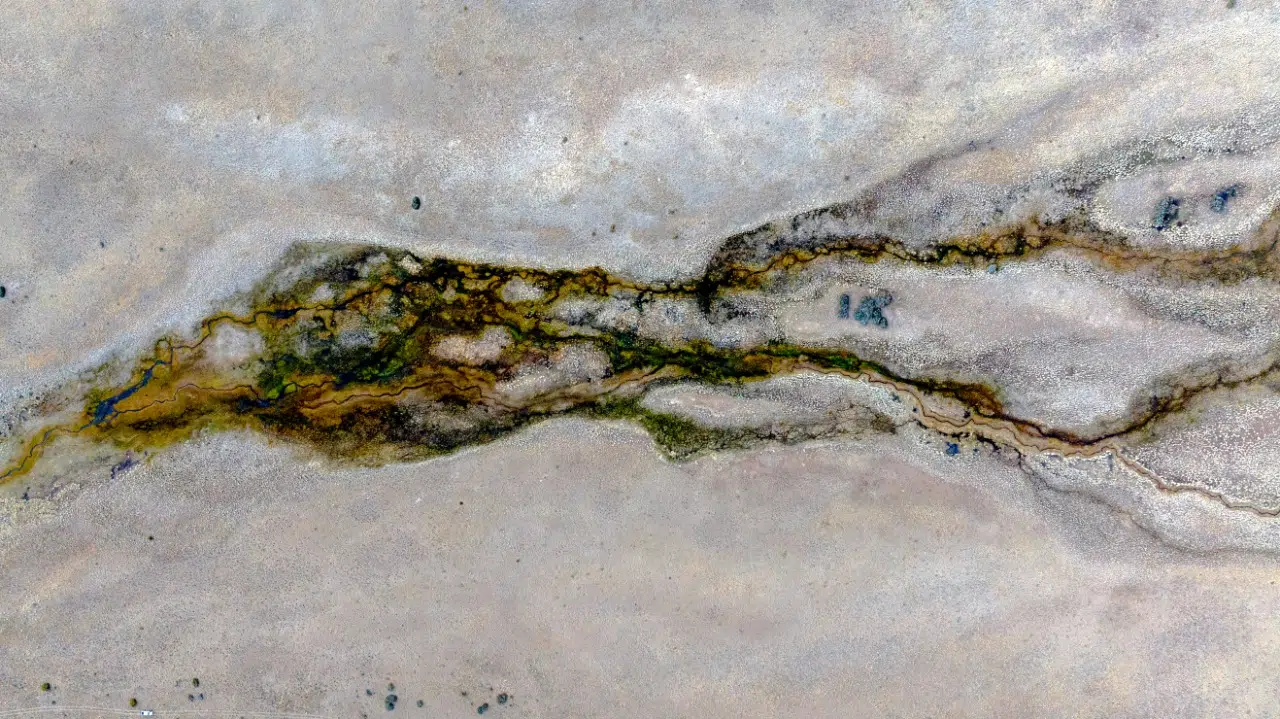 Spring recovery. (Photo: Horacio Barbieri).
It is in these springs that wildlife found an essential point for life. But also, for generations, human history in the region was also built around them.
“The ranch headquarters were settled near a spring. Indigenous peoples sought these sites to settle and find food,” Galetto explains. Even today, the most traditional productive practices are organized around these sites, “making use of every drop of the scarcest resource in the steppe.”
Now, many of these springs have been degraded. Some have lost their original course, others have been drained or invaded by exotic species.
“These wetlands have been severely degraded by overgrazing caused by domestic livestock -especially horses, cattle, and sheep- that concentrate in these highly productive areas, eliminating native vegetation and triggering erosion processes,” Galetto adds.
They have also been affected by invasive exotic species, both fauna and flora.
“The American mink preys on amphibians, reptiles, birds, and small mammals, affecting threatened species like the red-gartered coot or the hooded grebe,” he lists. “And exotic plants -such as mint, watercress, willows, or poplars- consume the scarce available water and change the course of rivers and springs,” he adds.
That’s why “we must first understand what human activity caused the change,” he clarifies. “Only then can we restore and recover these areas.”
Recovering for life to return
Between 2021 and 2024, the Rewilding Argentina team surveyed over 100 sites with wetlands, springs, and marshes in Parque Patagonia, especially in the plateaus of Lago Buenos Aires and Sumich, and in the Caracoles and Pinturas canyons.
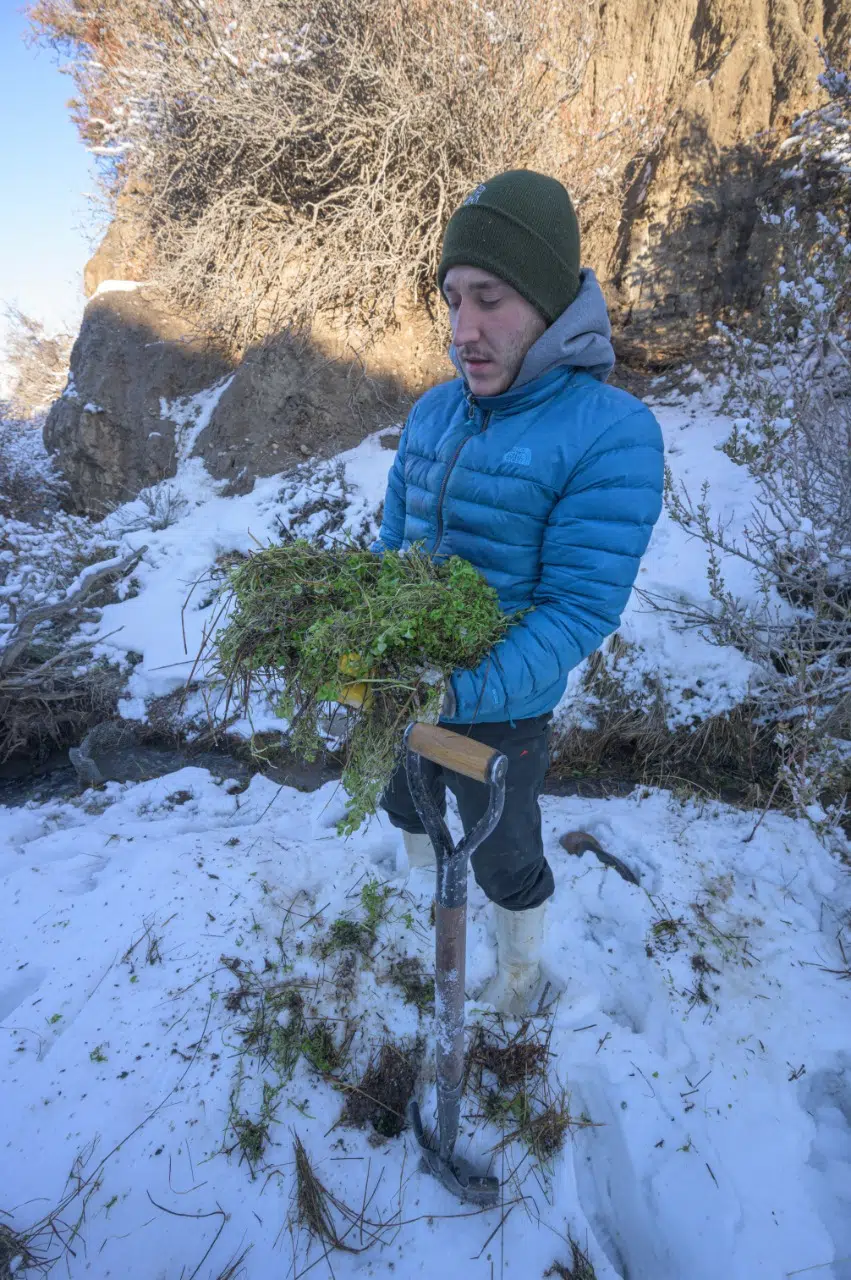 Work in Santa Cruz. (Photo: Horacio Barbieri).
The goal was to assess their condition and start a recovery process. One of the emblematic cases was the wetland in the Caracoles canyon.
“In 2019, we began the recovery of a wetland that had been completely altered,” Galetto explains. “It was drained, the reedbeds had disappeared, the springs feeding it had been diverted, and embankments had been built crossing the small lagoons,” he says.
The area, invaded by mint, watercress, and willows, had lost its diversity. Eight areas covered by exotic vegetation and only a few birds were left.
Then the work began: they rerouted the springs, closed drainage channels, removed embankments, and controlled invasive species. “Immediately, the water began to rise. Within a few months, the reeds began to sprout again,” the specialist noted.
Two years later, the team managed to translocate the first coypus, a native rodent that had disappeared. “The wetland regained its splendor. A new ecosystem had reemerged. This is rewilding.”
How spring restoration works
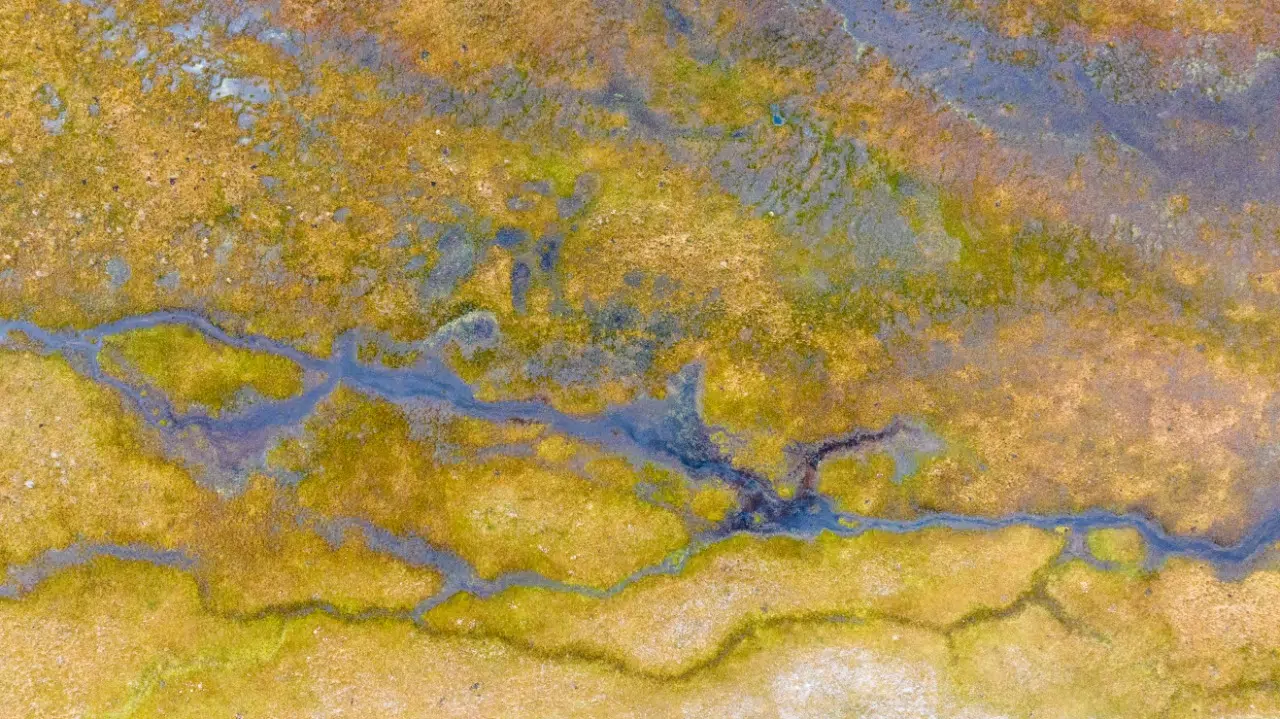 Spring recovery work. (Photo: Horacio Barbieri).
Spring restoration is more than a technical issue. It is a profound gesture of reconnection with the territory.
“When wetlands and springs are restored, the landscape changes dramatically,” Emanuel recounts. “Colors, songs, movements return. Biodiversity comes back. Herbivores seek the new pastures. Predators follow them. An equilibrium is restored,” he describes.
For Galetto, springs are life hubs where everything activates. Their recovery is important because it allows wildlife to return and natural processes to be restored, so that the steppe regains part of its lost balance.


