



After the passage of the cyclone genesis that brought intense rains to Buenos Aires, the weather changes and winter is back as the main player with a marked drop in temperature. The minimum temperatures in the Metropolitan Area of Buenos Aires (AMBA) could reach 5°C, as reported by the National Meteorological Service (SMN).
The organization had already anticipated a cold front affecting central and northern Argentina, with winter-like minimums. This was felt on Thursday, when temperatures ranged between 7 and 14 degrees in the city and the Buenos Aires conurbation, during a day still marked by the recent rains.
For this Friday, the outlook will continue under the influence of cold air. A minimum of 6 degrees and a maximum of 16°C are expected, with clear skies and no rain on the immediate horizon.
The weekend will show a slight rise in temperature, although cold days will remain. Saturday will have minimums of 7 degrees and maximums of 18°C, while Sunday is expected to have temperatures between 10 and 18 degrees, always under a partially cloudy sky.
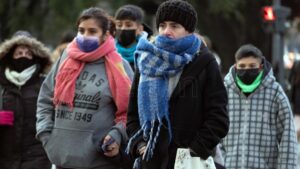 Cold will be the protagonist of the weather in AMBA in the coming days.
Cold front and meteorological alerts in Patagonia
While the cold intensifies in Buenos Aires and the central provinces, Patagonia faces a different climatic reality. The SMN issued yellow and orange alerts for several areas of Chubut and Santa Cruz due to strong winds and intense rains.
In the central and southern regions of Chubut, wind will be the main risk phenomenon, reaching intensities that could affect daily activities. In Santa Cruz, the northern part of the province also remains under orange alert for winds, while the south is under surveillance for rains.
These warnings indicate the possibility of damage or disruptions, especially in the areas under orange alert, where meteorological phenomena pose a significant risk. Faced with these scenarios, the population is advised to take extreme precautions and stay informed through official channels.
 How will the weather be in AMBA?
How to protect yourself from cold weather and low temperatures
The entry of cold air not only changes the climate landscape, but also implies the need to take measures to protect health and the environment during times of low temperatures.
Dressing in layers is one of the key recommendations, combining garments that help retain body heat. It is essential to protect extremities, such as hands, feet, and head, and avoid prolonged exposure to cold air.
Within the home, it is important to ensure adequate ventilation, especially when using stoves or heaters. Ventilation prevents the accumulation of carbon monoxide, a toxic gas without odor or color that can be lethal.
Rational energy use also contributes to environmental care. Keeping doors and windows properly closed, making use of sunlight during the day, and choosing efficient heating systems help reduce energy consumption.
Additionally, for those engaging in outdoor activities, it is advisable to limit intense physical efforts during the early hours of the day when temperatures are lower, and stay well hydrated, even if not feeling thirsty.
Extreme cold tests human health and ecosystems. Therefore, adopting responsible habits not only protects people but also the environment by reducing the emission of polluting gases and avoiding the unnecessary use of resources.



