



A new study revealed an uncommon phenomenon in recent years. For the first time in decades, Antarctica experienced an increase in ice, specifically in the eastern region.
The research, published in the journal Science China Earth Sciences and led by scientists from Tongji University (China), indicates that the regions of Wilkes Land and Queen Mary Land together added an average of 108 gigatonnes of ice per year between 2021 and 2023.
The discovery in the white continent was made based on measurements from NASA’s satellites GRACE and GRACE-FO, representing an unexpected change from the general trend of ice mass loss in Antarctica.
Exceptional Snowfall, the Key to the Increase in Ice in Antarctica
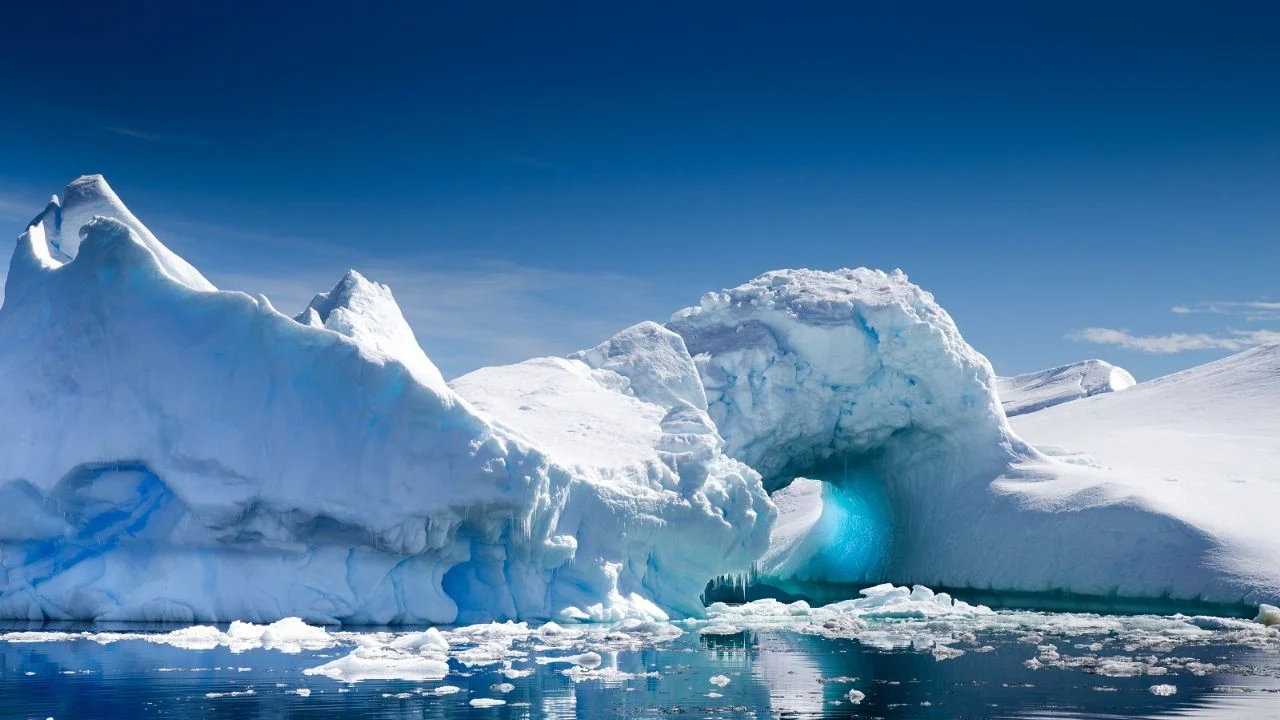 The discovery in Antarctica.
According to the study, the increase is due to unusually intense precipitation that led to snow accumulation on glaciers such as Totten, Denman, and Moscow, temporarily reversing their retreat.
Researchers explain that a warmer and moister atmosphere transported a larger amount of water vapor, resulting in snowfalls that, when compacted, formed new ice. This phenomenon had not been observed in the region for several decades.
What about Global Warming?
Despite the ice mass gain, specialists clarified that the change does not indicate a slowdown in climate change.
The increase in ice in these areas has reduced the Antarctic contribution to sea-level rise by approximately 0.3 millimeters per year, but the West Antarctic continues to lose ice at a high rate, maintaining an overall negative balance.
Furthermore, they warned that this could be a temporary event, related to natural variations, rather than a structural change in the global thawing trend.
A Complex and Dynamic Climatic System
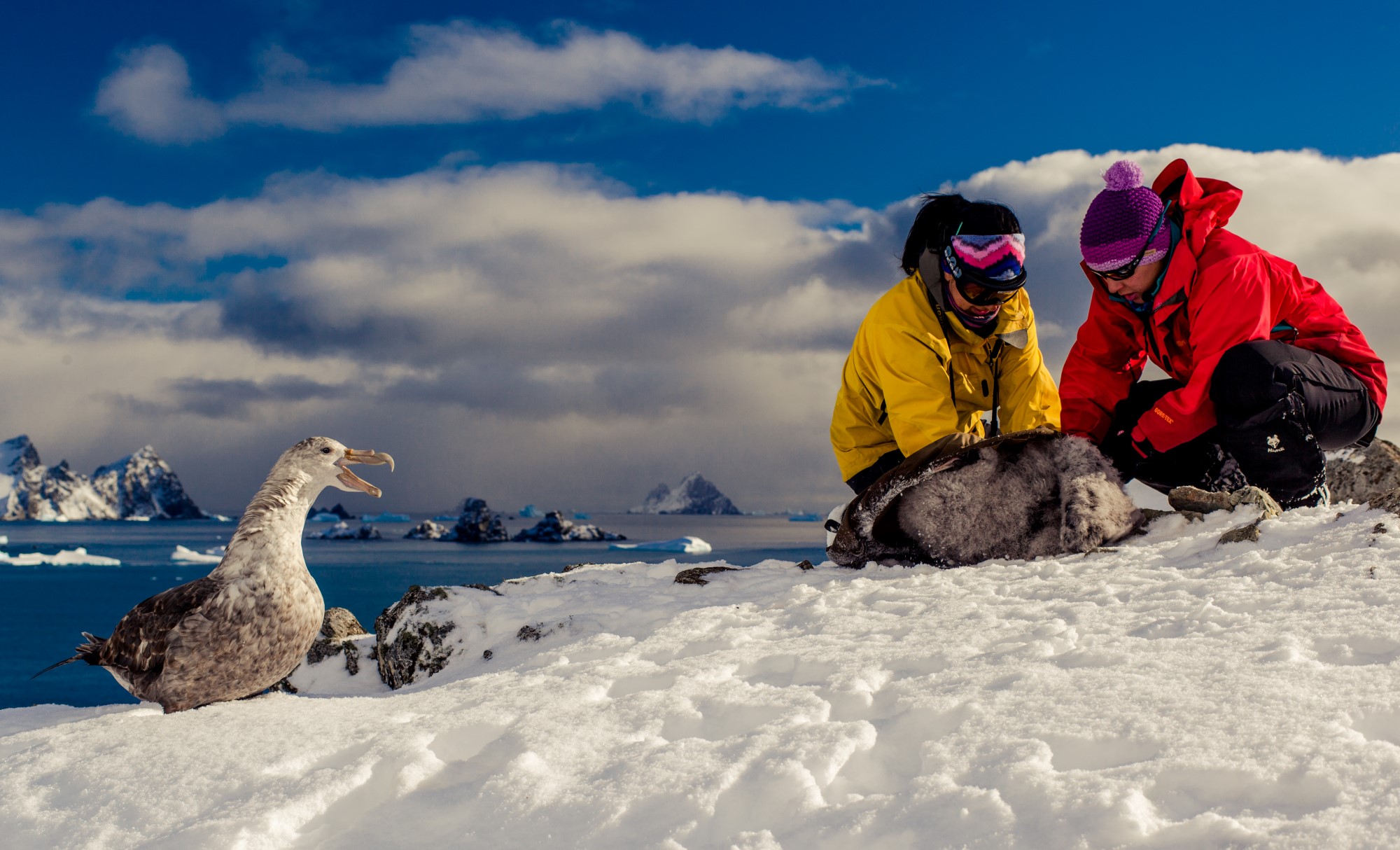 Norway and Chile’s commitment to the conservation of Antarctica.
The behavior of Antarctic ice is influenced by small variations in ocean temperature, atmospheric circulation, and the amount of water vapor available. Therefore, the study’s authors emphasize the need for more research and long-term monitoring before considering a paradigm shift.
This episode serves as a reminder that Earth’s climate does not always respond linearly to predictions, and that only through continuous and high-resolution observations can we more precisely understand the future of the cryosphere in the South Pole.


