



In the coastal town of Las Cruces, nearly 80 researchers, professionals, and students participated in the third edition of the Meeting of Macroalgae Mappers in Spanish. The event, held at the Coastal Marine Research Station (ECIM), brought together specialists from Chile, Argentina, Peru, Mexico, Spain, and Canada to share methodologies and geospatial tools to monitor kelp forests, essential ecosystems for marine biodiversity and adaptation to climate change.
Advances in Monitoring and Collaboration
“Today we have much more robust tools for mapping and monitoring macroalgae forests,” highlighted Carolina Pantano, an Argentine biologist and Conservation Coordinator at the Por el Mar Foundation. Over the past three years, scientific knowledge and collaboration between teams have strengthened, allowing for more integrated work on a regional scale.
One of the consensus points of the meeting was the urgency of generating comparable data across Latin America. Although scientific interest has grown, much of the coastline still lacks continuous monitoring and detailed information about the health of these ecosystems.
Ecological Functions of Kelp Forests
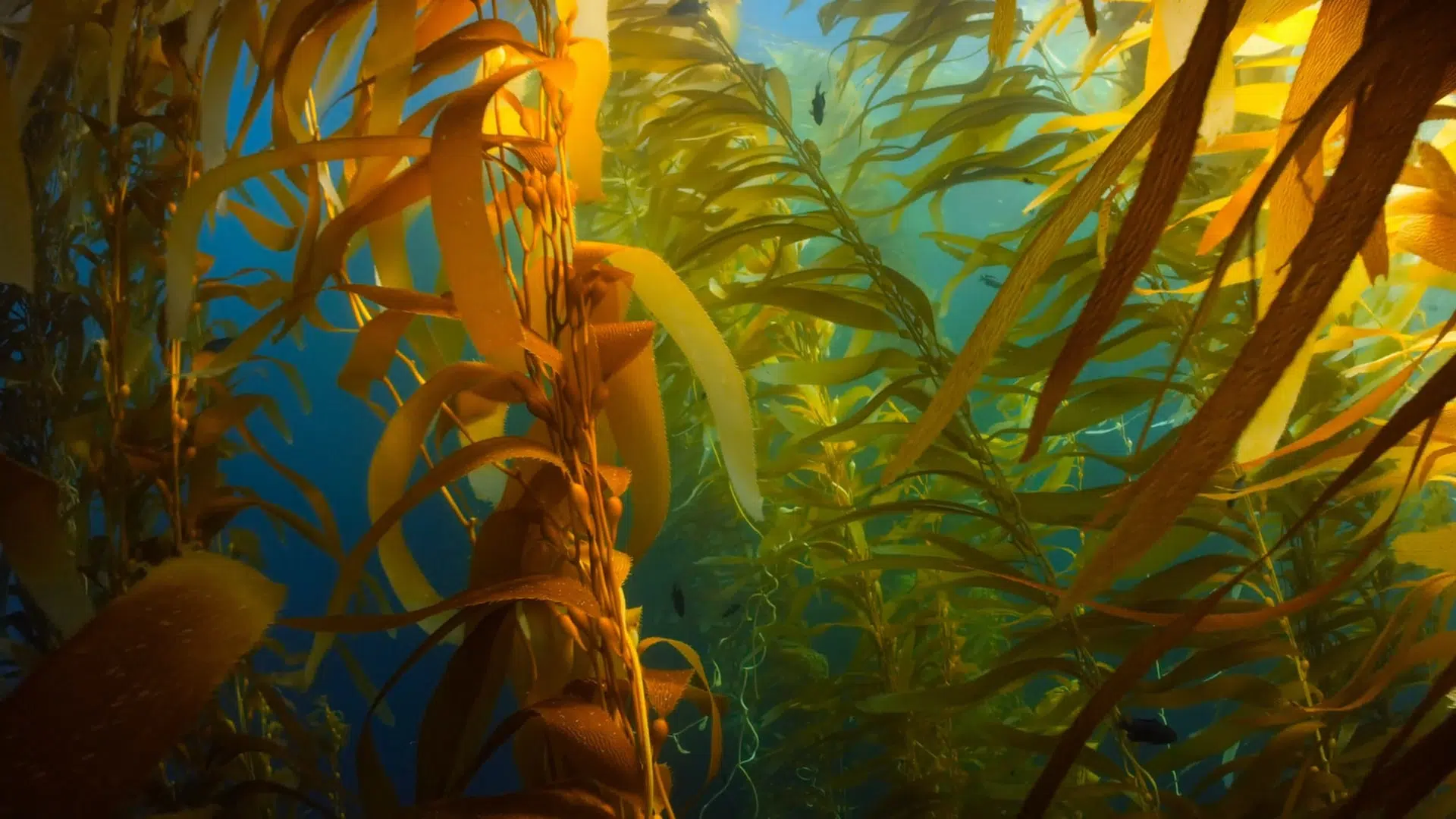
Macroalgae forests fulfill fundamental roles:
- Shelter and reproduction for numerous marine species.
- Carbon capture, contributing to mitigating climate change.
- Coastal protection, buffering the effects of storms and extreme events.
However, they face increasing threats: ocean warming, pollution, extreme events, and human activities that degrade coastal environments.
Highlighted Presentations
- Alejandra Mora Soto (Spectral Lab, University of Victoria, Canada) presented on the use of geospatial data for macroalgae conservation.
- Sylvain Faugeron (Catholic University of Chile and Millennium Nucleus MASH) presented research on the adaptive variability of Macrocystis pyrifera in South America.
These investigations provide new perspectives on how macroalgae respond to environmental changes and how they can be more effectively protected.
Tools for Decision Making
The meeting emphasized transforming scientific information into concrete management tools.
“Having explicit data on the distribution of macroalgae forests allows us to identify priority areas for conservation and strengthen their monitoring,” stated José Palma, Marine Spatial Planning Officer at WWF Chile.
Growth of the Regional Network
The 2026 edition evidenced the strengthening of the Latin American collaboration network, with new participants from Peru and greater presence of organizations linked to coastal communities. This allowed for expanded discussions on environmental risks, conservation strategies, and cooperation mechanisms.
Participatory spaces—workshops and roundtables—facilitated debate on local risks, collaboration opportunities, and the development of shared monitoring platforms, essential for more effectively responding to the threats facing macroalgae.
The meeting in Las Cruces consolidated an international scientific network seeking to protect underwater forests, ecosystems vital for biodiversity and climate resilience. Collaboration among countries, communities, and organizations demonstrates that marine conservation requires comparable data, regional cooperation, and practical tools that turn science into action.



