



A new scientific field is discovering a surprising intelligence with cognitive skills, individual personalities, and possible sensitivity to pain in species like bees, wasps, and beetles, reshaping our relationship with invertebrates.
Recent research at universities in London, Pilefeld, and Michigan is revolutionizing the understanding of insects. Lars Chittka, an entomologist at Queen Mary University, demonstrates through experiments that bumblebees solve complex problems – such as pulling threads to obtain food – with skills comparable to crows.
Simultaneously, Carolina Mula (University of Pilefeld) identifies differences in personality in beetles, while Emily Lauve discovers wasp papermakers capable of transitive inference: logical reasoning previously attributed only to humans.
These findings challenge paradigms about surprising animal intelligence and raise ethical dilemmas in agriculture and food.
Tiny Brains, Cognitive Feats, and Surprising Intelligence
Chittka’s lab revealed that bumblebees learn novel tasks in minutes, transmitting knowledge to their colony. “We don’t measure their IQ like in humans, but they surpass challenges that demand mental flexibility,” explains the biologist.
His thread experiment shows that these insects – with brains *0.01% the size of a human’s – develop innovative techniques to access rewards.
Even more surprising is the navigation of honey bees. In a historic experiment replicated by beekeeper Tomas Radetzky, five marked bees returned to their hive from 3 km away in under 9 minutes, without solar references. “They use mental maps with geographical landmarks, just like us,” highlights Radetzky.
Personality in Beetles: Nature or Learning?
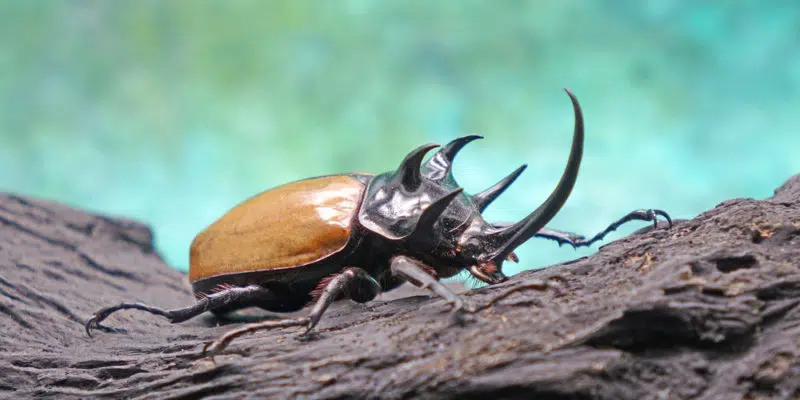
Mula studies the Fahedón Cocleariae, a beetle where she identified consistent behavioral patterns. When simulating bird attacks, 30% quickly fled while others explored the environment before taking shelter.
“These behaviors persisted for weeks, indicating different personalities,” she affirms. The discovery suggests that behavioral diversity benefits the adaptation of species, even in invertebrates.
Logic in Paper Wasp: Hierarchies Without Violence
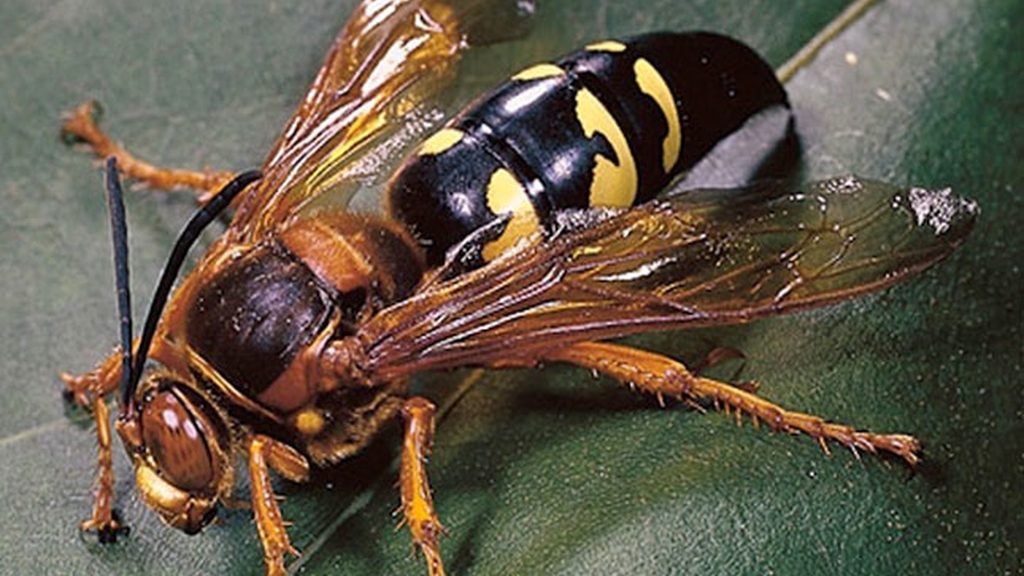
Lauve demonstrated that wasps order colors through transitive inference, solving problems that young children fail at. “If they learn that blue is more dangerous than yellow, and green more than blue, they deduce that green surpasses yellow without prior training,” she details.
This ability allows them to establish social hierarchies without constant fights: “They recognize rivals and calculate probabilities of success,” she explains.
Pain Sensitivity: Reflex or Conscious Experience?
Experiments by Jonathan Burke, a philosopher at Queen Mary University, reveal that bumblebees endure 55°C on surfaces for access to better food.
“It’s not just a reflex: they prioritize rewards over discomfort, indicating cognitive processing of pain,” he argues. His studies influenced British laws that include crustaceans in animal protection.
Ethical Implications: From Pesticides to Insect Farms
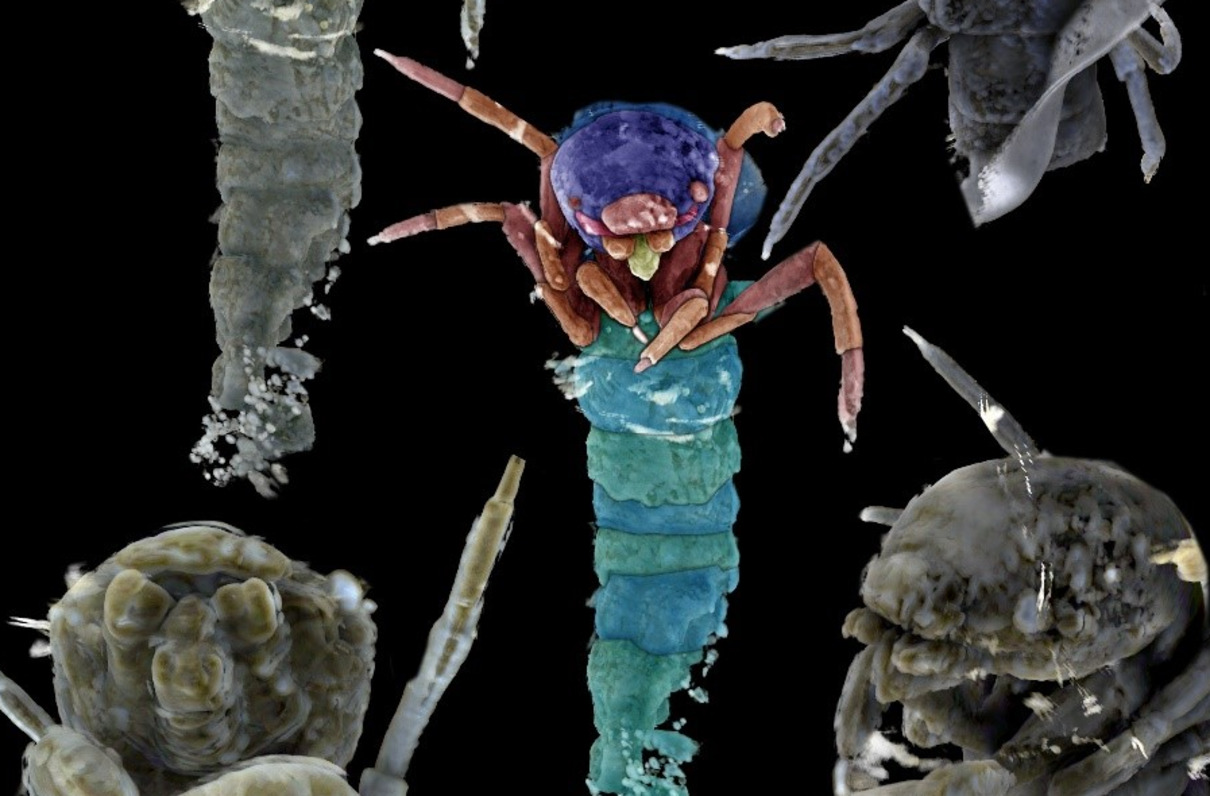
The food industry faces new challenges. Andrea Scoids, an Austrian producer of sandworms, freezes their larvae at -20°C considering “less traumatic methods.”
However, 40% of agricultural pesticides cause minutes of agony in pollinators, according to Chittka’s observations. “If insects feel, we must reconsider mass practices,” Burke warns.
The discoveries not only expand neuroscience: they demand a reconsideration of our place in nature. As Chittka summarizes: “We underestimate intelligences due to size prejudices. Today we know that a brain the size of a grain of rice can navigate, reason, and perhaps feel.” This Copernican shift in entomology re


