



Microplastic pollution has ceased to be a distant concern: it is already present in the Paraná River, one of the most relevant river systems in Argentina.
This was revealed by a study led by Natasha Schvezov, a specialist from CONICET, who has been studying the presence of plastic waste in water bodies for years.
Laboratory samples: microplastics detected in all analyzed points of the Paraná River
Schvezov’s team collected water samples from multiple sites along the river for three consecutive years.
The laboratory analyses were conclusive: microplastics were detected at all sampled points. “We wanted to know what is in the river, and what we found deeply concerns us,” stated the researcher.
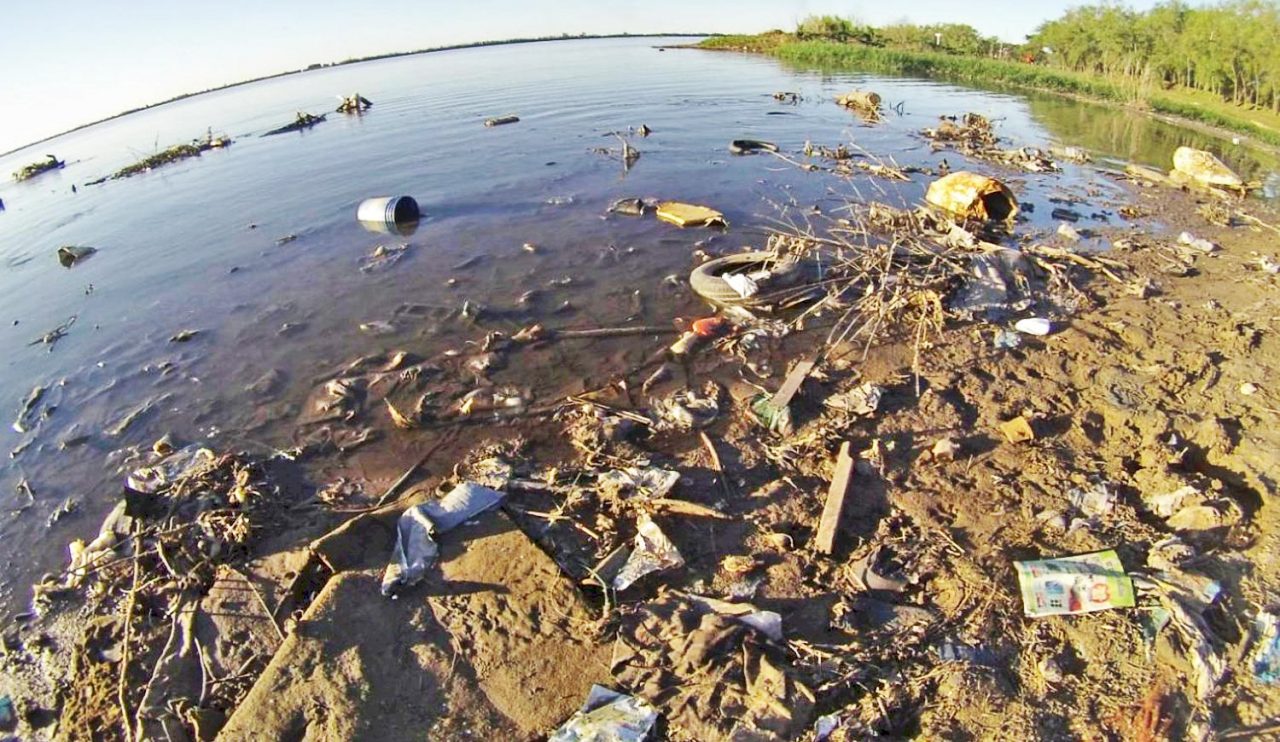 Water pollution in the Paraná River.[/caption>
What are microplastics and why do they pose a threat?
Microplastics are tiny polymer fragments that enter the environment through various pathways. They are classified as:
- Primary: manufactured directly in microscopic sizes, used in industries such as cosmetics and pharmaceuticals
- Secondary: generated by the degradation of larger plastics that accumulate as waste in the environment
Their persistence and bioaccumulation capacity make them emerging contaminants, with potential impacts on:
- Aquatic fauna
- River ecosystems
- Human health, through the consumption of contaminated water and fish
A pollution cycle that comes back to us
“It’s a cycle. We generate plastic waste, it breaks down into microplastics, and all of that comes back to us,” warned Schvezov.
The researcher emphasizes the urgency of raising awareness about this issue, which combines excessive consumption, lack of waste management, and ignorance about its long-term effects.
Applied science to address an environmental crisis
The project aims to raise awareness and provide data for public policies.
The study by CONICET not only contributes scientific evidence but also seeks to promote concrete measures to address plastic pollution in Argentine rivers.
The presence of microplastics in the Paraná River is a warning sign that demands:
- Continuous monitoring
- Interdisciplinary research
- Environmental education and citizen participation


