



In the city of San Francisco, located in the center of the province of Córdoba, green infrastructures such as green roofs and vertical gardens have not yet been widely incorporated. However, they represent an innovative and sustainable alternative to rethink the built environment.
According to Jorge Gallo, a local reference and founder of the venture Gallo Verde, these techniques could modify the urban landscape and improve daily well-being.
Vertical gardens: beauty, emotional health, and technical efficiency
With over 30 years of experience in gardening, Jorge trained in Buenos Aires to bring these solutions to his hometown. Vertical gardens allow greening surfaces that do not support soil, such as walls of apartments, offices, or tall buildings. In addition to beautifying, they have a positive emotional impact.
“They help with anxiety, they relax you. It’s a different air you’re breathing,” says Gallo in an interview with the portal La Voz de San Justo.
From a technical standpoint, they function as an acoustic barrier, regulate temperature, and reduce the risk of flooding by absorbing part of the rainwater. Regarding maintenance, Jorge explains that a small vertical garden is cared for like a pot.
He also mentions hydroponic systems, which require specific nutrients, but ensures that they are easy to maintain. In fact, Gallo Verde installed one two and a half years ago in the Los Palmares neighborhood, with excellent results.
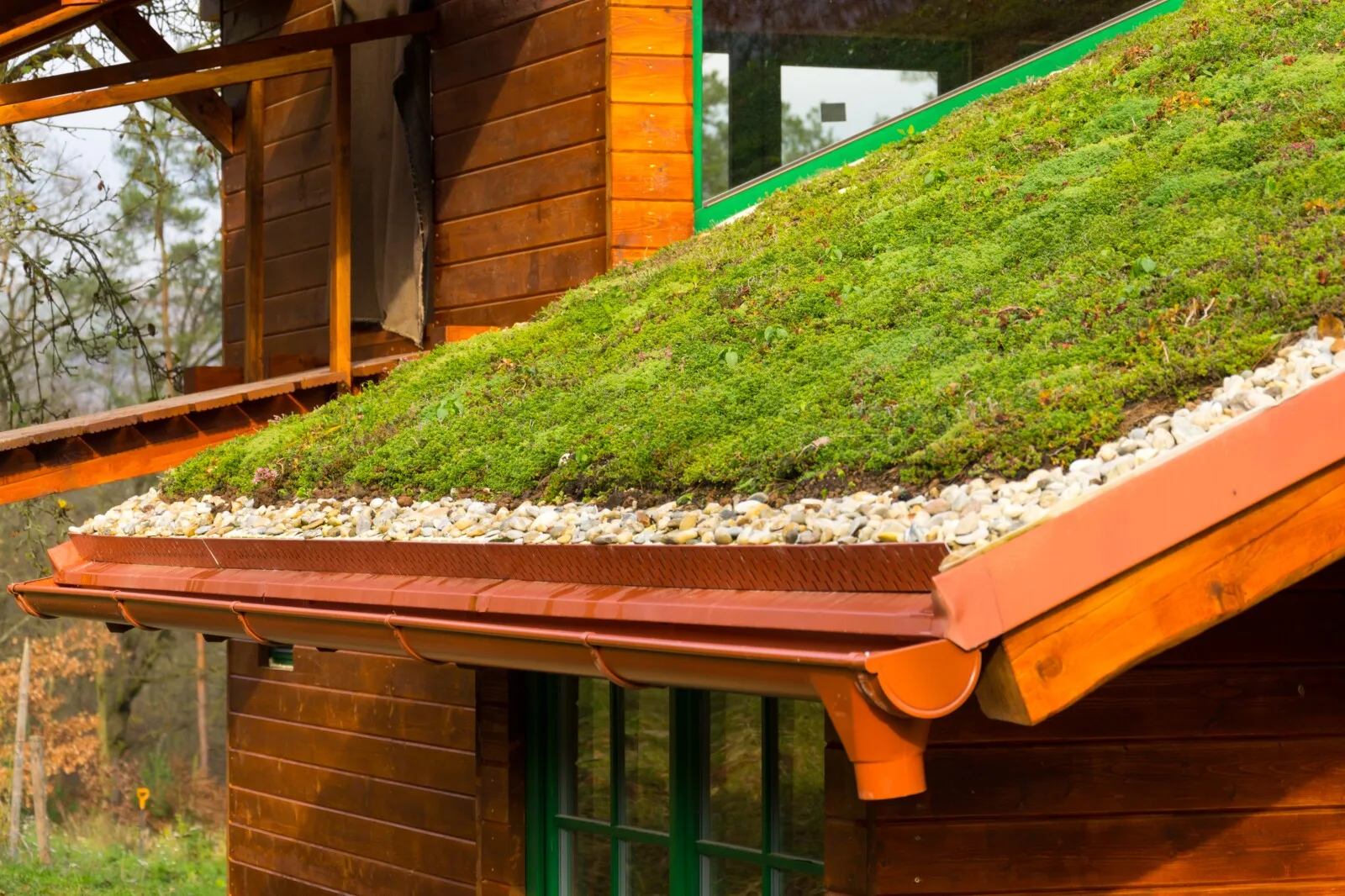
Green roofs: efficient climate control and urban impact reduction
Although green roofs have not yet been implemented in San Francisco, Jorge points out that in cities with high density, these solutions make great urban and environmental sense. “They lower the temperature, save energy, help the environment,” he states.
He also debunks the idea that they generate humidity: “If it’s done wrong, it can generate humidity; but if you do the job right, there’s no problem. It used to be more complicated; now it’s modular and solvable.”
The data supports his claims: green roofs improve building climate control, reduce the urban heat island effect, decrease noise pollution, and purify rainwater.
On the other hand, vertical gardens filter CO2, increase biodiversity, and offer thermal and sound insulation.
Cultural barriers and local opportunities
Jorge acknowledges that there is still a lack of local vision: “People travel, see these methods abroad, but they still don’t apply them here.” However, he highlights that current modular materials allow for easy installation, similar to conventional construction.
In a city like San Francisco, which still has abundant open spaces but also shows a growing environmental awareness, these solutions represent a strategic opportunity to rethink the use of the built environment.
Although their implementation in San Francisco is still in its early stages, the accumulated experience in other regions shows that, with dissemination, training, and planning, green roofs and vertical gardens can integrate into the urban landscape and become a sustainable alternative for homes, offices, and public spaces.



