



In the world of science, where slowing down aging and preventing cancer are tirelessly pursued, turtles emerge as a true evolutionary enigma. Capable of living over 150 years and reaching weights exceeding 200 kilograms, these reptiles show remarkable resistance to neoplasms.
A recent study coordinated by the University of Nottingham confirmed that only 1% of the analyzed specimens presented tumors, and in the few detected cases, the disease did not spread.
Why do turtles defy medical statistics?
According to traditional medicine, larger and longer-lived animals should accumulate more genetic mutations, increasing their risk of developing cancer. However, turtles seem to have evolved unique protective mechanisms.
An emblematic example is Burt, a radiated tortoise born in 1945 at the Chester Zoo, which is still alive and healthy over 70 years later, with a stable metabolism and no signs of deterioration.
A retrospective study with real data
Far from laboratories, the study was based on the review of medical records and necropsies of turtles housed in zoos in the United States, United Kingdom, and Europe.
Researchers analyzed the frequency of tumors, their malignancy, and compared them with previous data from comparative oncology. The central question was clear: what biological mechanisms explain this resistance?
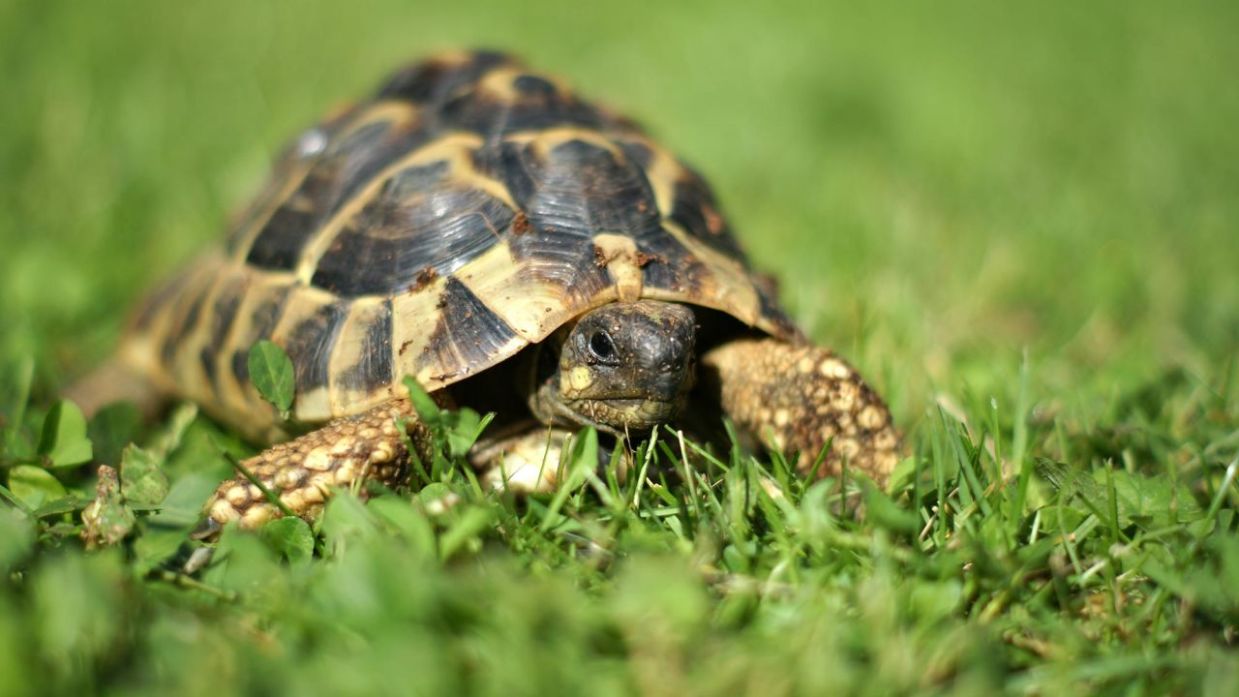
Five keys to the biological shielding of turtles
1. High-precision cellular surveillance Turtle cells have highly efficient repair and genetic control systems, capable of detecting and eliminating abnormalities before they develop into tumors. This mechanism acts as a permanent sentinel, difficult to replicate in humans.
2. Slow metabolism and low oxidative stress Unlike short-lived species like mice, turtles have a slow metabolic rate, reducing the production of free radicals and oxidative damage to DNA. Their longevity is not coincidental: it is an energy strategy.
3. Genetics with protective duplications In some species, unique genetic variants and duplications were detected in genes related to DNA repair and tumor suppression. These genes exist in other animals, but in turtles, they seem amplified, as if they have a double security system.
4. Immunity that avoids chronic inflammation Cancer tends to thrive in inflamed tissues. Turtles, on the other hand, avoid prolonged immune responses, reducing the fertile ground for tumor development.
5. Natural selection and evolutionary pressure Over millions of years, turtles that developed cancer at early stages failed to reproduce, and their genes disappeared. Those that survived passed on their defenses, consolidating a genetically shielded lineage.
A living laboratory for modern science
Beyond their role in the conservation of endangered species, the zoos that participated in the study allowed monitoring the health of long-lived specimens, generating valuable data for science.
In a turtle’s shell, one of the most sought-after answers by modern biology could be hidden: how to live long and stay healthy.


