



The A23a, which was once the largest iceberg in the world, is in its final stages of disintegration. It broke off from Antarctica 39 years ago, and now, this ice giant has entered warmer waters, which is accelerating its melting.
Originally weighing almost 1 trillion tons and covering an area of 4000 km²: something larger than Luxembourg.
As it moved north, it began to break into large pieces. Currently, its size is 1770 km², with a width of up to 60 km, according to satellite images from the European service Copernicus.
A three-decade odyssey: the journey of A23a, once the largest iceberg in the world
“It is coming to an end. It is simply rotting from its core,” explained oceanographer from the British Antarctic Survey Andrew Meijers to the AFP. “The water is too warm for it to survive. It is melting steadily,” he expressed.
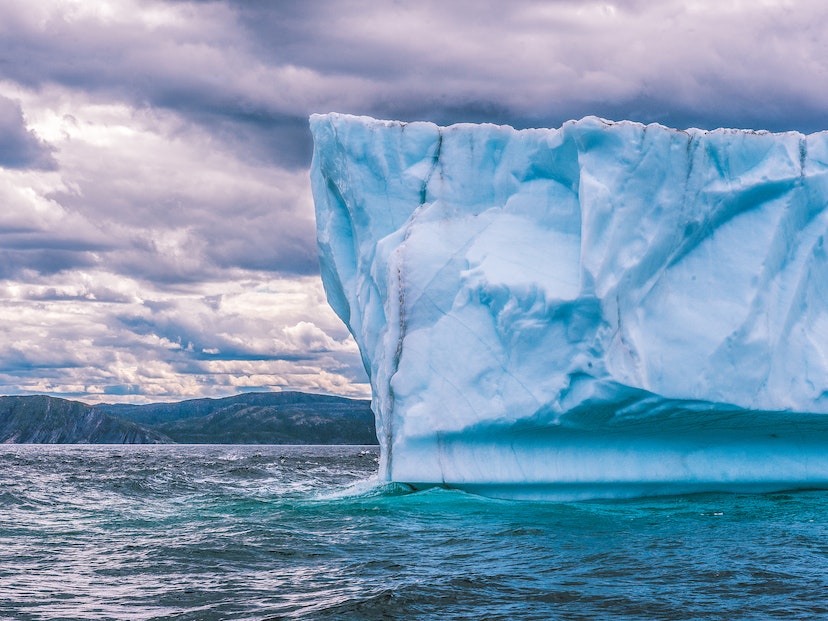 The iceberg is melting in front of Antarctica.[/caption>
It is expected that in the coming weeks the iceberg will be unrecognizable. The A23a broke off from the Antarctic continent in 1986, but remained anchored to the seabed in the Weddell Sea for over 30 years. In 2020, it started moving, being dragged by the powerful Antarctic Circumpolar Current.
In March 2025, it briefly ran aground near South Georgia, causing concern for local wildlife such as penguins and seals. However, it managed to continue its path, gaining speed as waves and warmer waters eroded it.
Scientists were “surprised” by the resilience of the A23a. Most icebergs do not travel so far once they leave the protection of the Antarctic climate.
Although the formation of icebergs is a natural process, experts point out that the rate at which they are produced in Antarctica has increased. A phenomenon that is likely related to climate change caused by human activity.
What can it cause?
As they move, giant icebergs like A23a, can scrape the seabed and release nutrients into the water, which can affect the fauna.
They can also introduce large volumes of freshwater into subantarctic ecosystems, which can affect ocean circulation and nutrient mixing. Another concern raised by Meijers and other experts is that this ancient ice may contain dangerous bacteria and viruses for animal and human health.
Despite the risks, there is ongoing debate about whether the A23a threatens the fauna of South Georgia, where it can disrupt and block access to penguin and seal feeding areas.
Large icebergs are closely monitored to understand the effects of global warming in Antarctica and the impact of these large icebergs on Antarctic ecosystems and biodiversity.
What is currently the largest iceberg in the world
In late 2016, scientists detected a crack in the Larsen C ice shelf, on the Antarctic Peninsula, which led to the detachment of iceberg A-68 in July 2017.
This iceberg, with more than double the size of Luxembourg and 235 meters thick, embarked on a 3 and a half year odyssey to a remote island in the Southern Ocean.
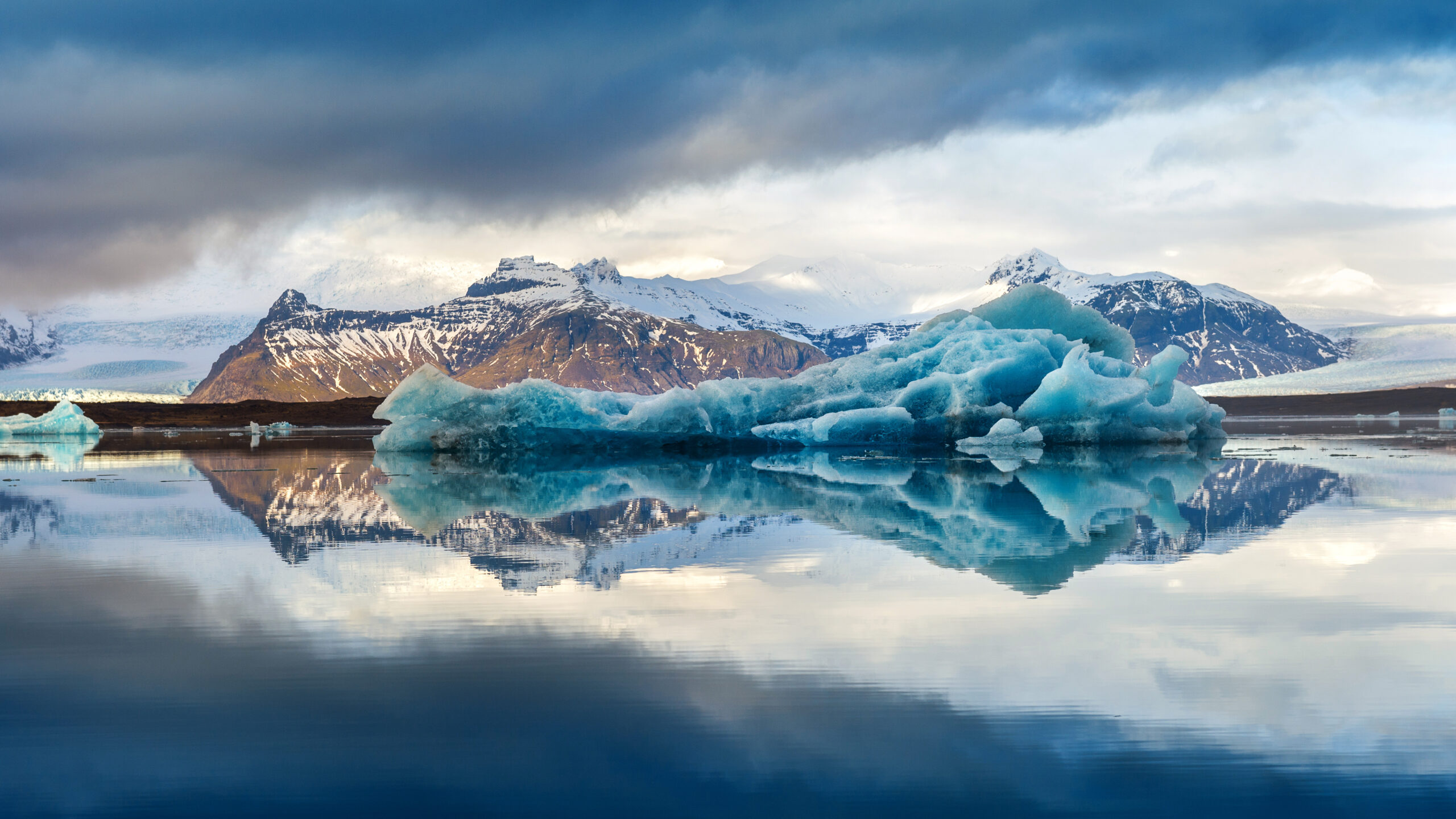 What is currently the largest iceberg in the world.[/caption>
The detachment of A-68 exposed the seabed, transforming the habitat and creating unique conditions for marine life.
During its transitory life, A-68 acted as a frozen lifeboat for various species. Scientists have tracked its impact, revealing how giant icebergs influence the surrounding ocean.


