



In a bold move towards **sustainable mobility**, **Ethiopia** has become the **first country in the world to ban the import of gasoline and diesel vehicles**, a measure that came into effect in early 2024.
This decision, driven by the government of Prime Minister **Abiy Ahmed**, aims to reduce hydrocarbon dependency, improve the trade balance, and position the country as a **reference in African [ecological transportation](https://noticiasambientales.com/compromiso-ambiental/chubut-avanza-hacia-la-movilidad-verde-comodoro-rivadavia-apuesta-por-un-transporte-publico-sostenible-e-inclusivo/)**.
## The electric fleet grows: savings, comfort, and environmental awareness
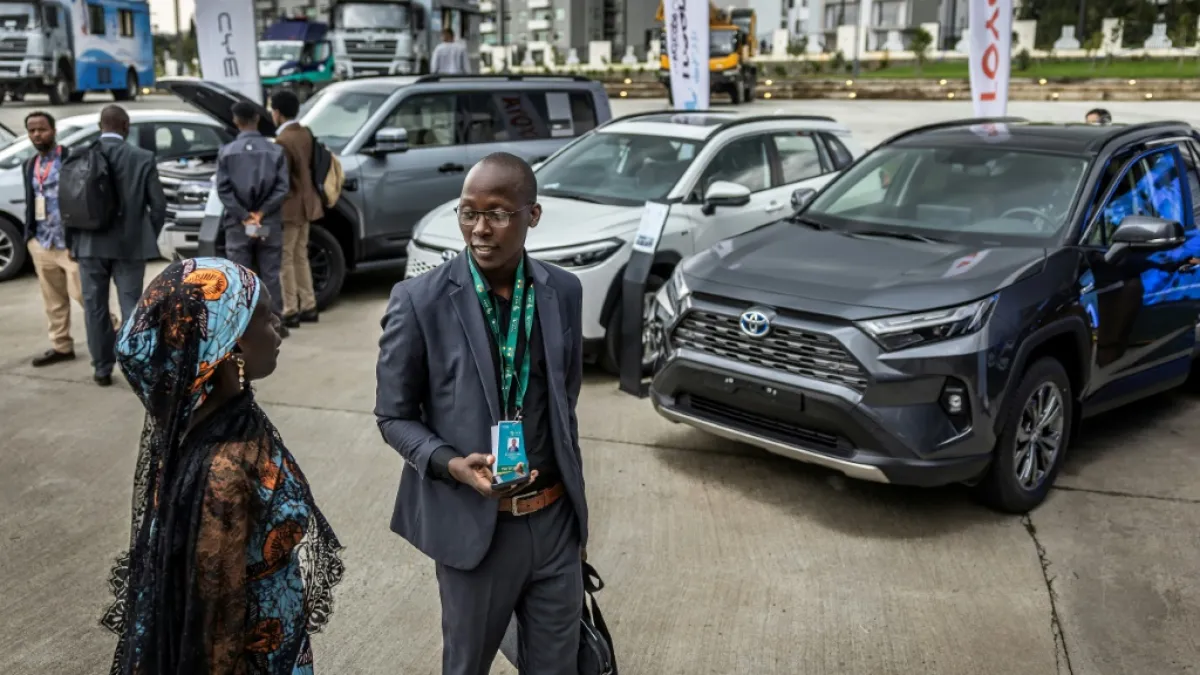
The capital, **Addis Ababa**, is undergoing a visible transformation: **electric vehicles** are multiplying on the streets, and **urban buses** also run on electricity.
Consultant **Kemeriya Mehammed Abduraheman**, one of the new users, highlights the **economic and time savings** of not having to wait in long lines to refuel. Her monthly expenses decreased from **$27 to just $4** after purchasing a **BYD** model for **$34,000**.
## Expanding infrastructure, yet still insufficient
There are only 100 charging stations in the capital; more than 2,300 are needed nationwide.
Although the **demand for electric cars is growing rapidly**, the country faces **logistical challenges**. According to Minister **Bareo Hassen Bareo**, in charge of green mobility, Ethiopia needs to **increase its charging infrastructure by more than twentyfold**.
Many users install **home chargers**, but **power outages** and **a shortage of spare parts and specialized technicians** limit expansion beyond the capital.
## Nile Megadam: energy for the transition
Africa’s largest hydroelectric plant aims to double the national electrical capacity.
The recent inauguration of a **megadam on the Nile** promises to **strengthen the power supply** and facilitate the transition to a [**cleaner energy matrix**](https://noticiasambientales.com/medio-ambiente/expansion-solar-en-eeuu-un-15-mas-de-energia-limpia-podria-evitar-85-millones-de-toneladas-de-co2-al-ano/).
This project is key to **reducing blackouts** and sustaining the growth of the electric vehicle fleet, projected to reach **over 500,000 units by 2035**.
## Economic obstacles and local production strategies
The high cost of vehicles limits access; the government seeks to attract foreign manufacturers.
With nearly **38% of the population living on less than $3 a day**, the **price of electric cars** remains a barrier. Ethiopian authorities are working to **promote local production**, reduce costs, and **democratize access** to electric mobility.
According to **Samson Berhane**, an economic analyst, success is attributed to the **growth of the middle class** and a **sustained demand for new vehicles**.
## Ethiopia as a regional model for sustainable mobility
With only a **1% market share in Africa**, the country is paving the way for a **fair energy transition**.
Ethiopia demonstrates that, even in contexts of **limited infrastructure and economic challenges**, it is possible to move towards a **sustainable transportation model**.
Its experience offers **valuable lessons for other countries on the continent** where electric mobility still represents a **marginal portion** of the market.



