



In a context where climate denialism has taken hold in official discourse, the Argentine provinces are beginning to set the course on adaptation and mitigation.
The Sustainability Without Borders Foundation presented the first Report on Provincial Climate Commitments, a comprehensive survey that compares progress in plans, inventories, regulatory frameworks, financing, and citizen participation.
Federal snapshot of climate action
The report systematizes official data from all jurisdictions in the country. Among the most relevant findings are:
- Validated provincial plans: only La Pampa, Jujuy, and Misiones have response plans validated by the national government
- Climate institutionalism: 54% of the provinces have specific areas dedicated to climate change
- GHG inventories: 7 provinces have developed their own inventories (Buenos Aires, Córdoba, Jujuy, Mendoza, Misiones, Río Negro, and Santa Fe)
- Framework laws: 8 jurisdictions have specific legislation (CABA, Santa Fe, Jujuy, Neuquén, Mendoza, Río Negro, Tierra del Fuego, and Formosa)
- Concentrated emissions: the province of Buenos Aires accounts for 34% of national emissions
Limited financing and dependence on national funds
Access to international resources remains a structural barrier.
Most provinces depend on the Federal Investment Council (CFI) or national cooperation, with limited access to international financing.
This limitation jeopardizes the sustainability of climate plans and the capacity to respond to extreme events such as droughts, floods, and fires.
“Climate federalism is under construction. The provinces’ capacity will be key to meeting international commitments,” said Mariano Villares, co-founder of the Foundation.
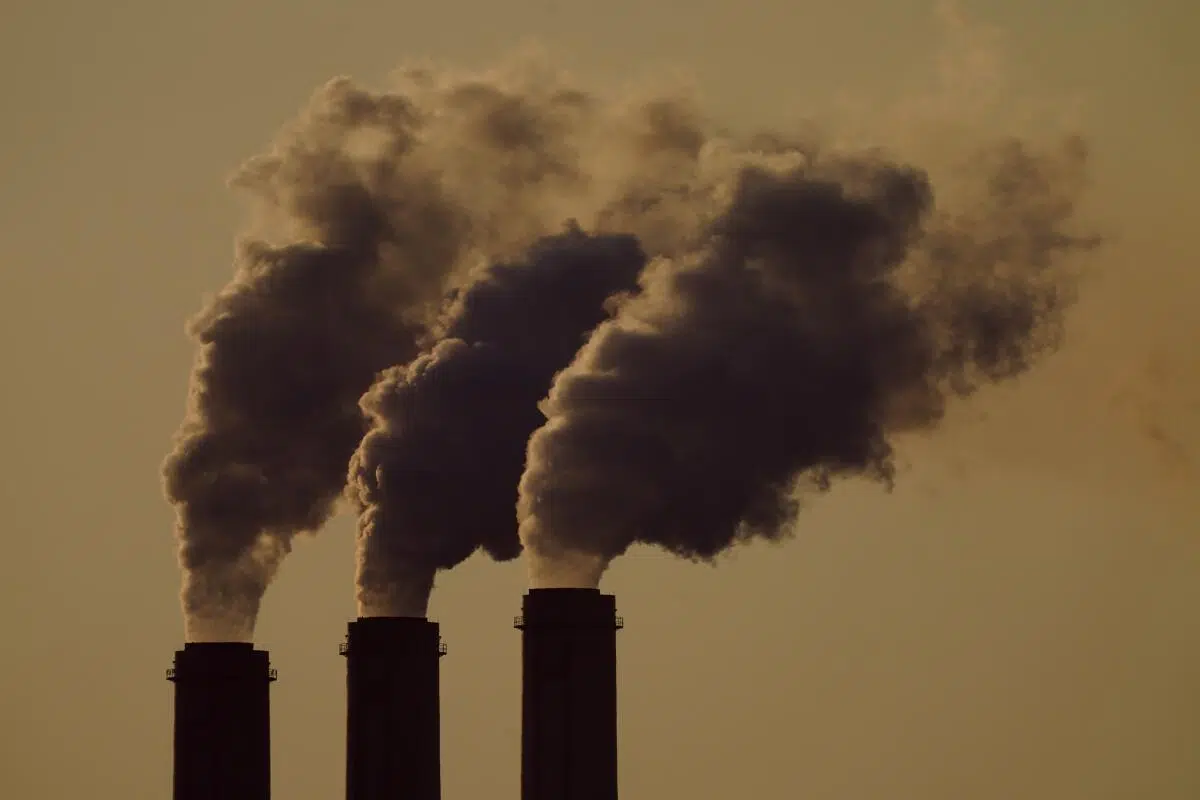
Climate denialism: a global threat with local impact
Rejection of scientific evidence, economic interests, and structural misinformation.
The report is published at a time when climate denialism manifests as:
- Rejection of the scientific consensus on global warming
- Pressure from extractive industries, such as the hydrocarbon industry
- Psychological mechanisms of denial in the face of existential threats
- Information manipulation and concealment of evidence, such as satellite images of ice loss
- Resistance to climate policies that transform key economic sectors
Visualize, compare, and learn: the value of the report
A tool to reduce asymmetries and strengthen environmental governance. The document does not establish rankings but offers a comparative snapshot that allows:
- Make informed decisions
- Learn from peers
- Organize available public information
In a country where the national government denies the climate crisis, it is the provinces that are trying to build concrete responses from their territories.


