



A recently created multisectoral organization, the Arroyo Las Tunas Basin Committee, is launched to address the serious and **growing [river pollution](https://noticiasambientales.com/medio-ambiente/nuevo-record-mundial-de-limpieza-voluntaria-de-rios-mas-de-1300-asistentes/)** in Entre Ríos. The state of one historical river of the Gran Paraná, **Las Tunas**, is particularly worrying.
Located between the **municipalities of** **[Paraná, Colonia Avellaneda, and San Benito](https://www.argentina.gob.ar/entre-rios/municipios)**, this watercourse is undergoing an **ecological collapse**. This is evidenced by the presence of **industrial, agricultural, sewage**, and domestic **wastes**.
Historically, the Arroyo Las Tunas, which flows into the Arroyo Las Conchas, was a key location in the province’s history, the scene of fundamental battles.
### The Critical State of Rivers Due to Pollution
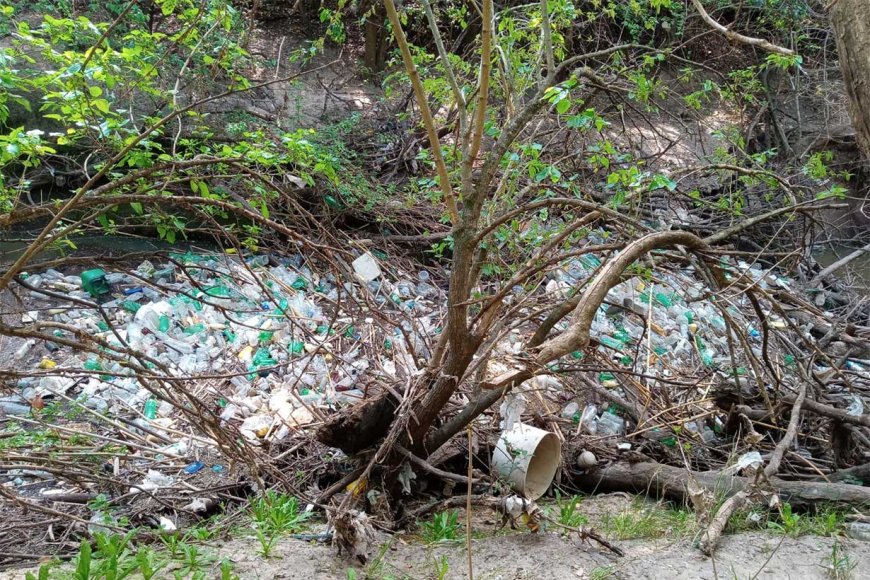
However, today its state is critical, according to the images **recently shared by local media and on social networks**. Recent analyses of its waters and sediments **reveal the presence of plastics, bacteria**, and **[toxic substances](https://noticiasambientales.com/residuos/instalan-una-ecobarda-profesional-en-el-arroyo-escobar-para-mejorar-la-proteccion-ambiental/)** that hinder aquatic life and cause malformations in animals.
The establishment of the Arroyo Las Tunas Basin Committee in this context was received with hope by various social organizations in the Paraná department, which have been fighting for years to raise awareness about this issue.
In an effort to ensure a serious response, these entities will propose the **CONICET** scientist **Rafael Lajmanovich** as their representative on the Executive Committee.
Lajmanovich, a renowned expert in water pollution, has conducted studies demonstrating the high toxicity of the river, highlighting the genotoxicity of its waters.
According to his research, the convergence of different types of waste has turned Las Tunas into one of the most polluted rivers in the country.
The **involvement of scientists and community pressure** seeks to reverse the environmental damage. But also, to address the unfulfilled promises of previous administrations and place the recovery of the region’s natural ecosystems at the center of the debate.
### The Dangers of Water Pollution
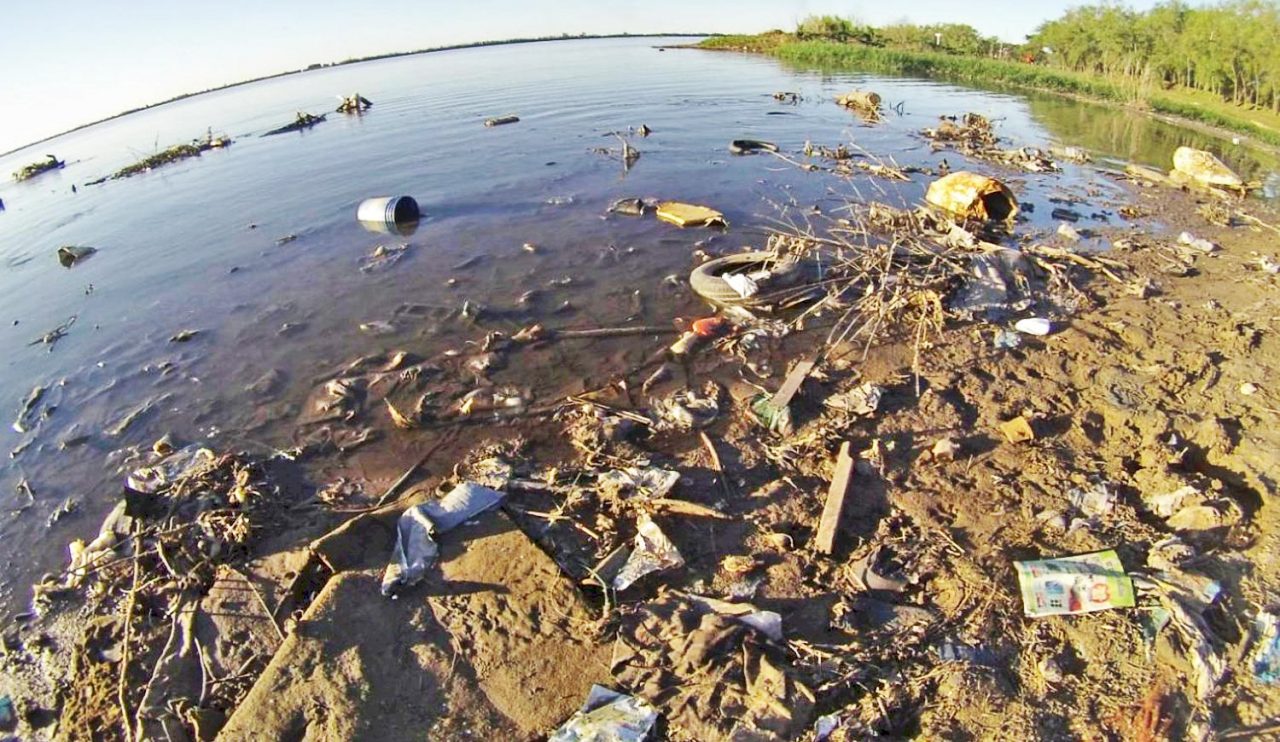
Water pollution poses a **serious and multifaceted threat** that affects both ecosystems and human health. Here are some of the main dangers:
#### Dangers to Human Health
– **Infectious diseases:** Water contaminated with **bacteria, viruses, and parasites** from sewage and animal waste can cause diseases such as cholera, typhoid fever, dysentery, hepatitis A, and poliomyelitis.
– **Chemical poisoning:** The presence of heavy metals such as **lead, mercury, and cadmium**, as well as pesticides, herbicides, and industrial chemicals, can cause damage to the nervous system, cancer, and kidney or liver problems.
– **Emerging contaminants:** Substances like **microplastics and pharmaceutical products** that are not filtered in treatment plants can affect hormonal development and reproductive health.
#### Dangers to Ecosystems
– **Death of aquatic life:** Pollutants, like **industrial waste and pesticides**, can be directly toxic to fish, birds, amphibians, and other species.
– **Ecosystem disruption:** Pollution **destroys the habitat of many species**, affecting the food chain. The bioaccumulation of toxins in organisms can pass from one species to another along the chain.
– **Damage to water resources:** It degrades the quality of rivers, lakes, and aquifers, making water unsuitable for consumption, agriculture, or industry, reducing the availability of clean freshwater.


