



The Argentinian Association of Environmental Lawyers (AAdeAA) – Collective Action for Eco-Social Justice (CAJE) have filed requests for access to public information to learn about the situation of the Guarani Aquifer.
The goal is to obtain crucial data about the management and decisions of the Mercosur Environmental Subgroup (SGT N°6) regarding it.
Guarani Aquifer: a hidden treasure at risk
The Guarani Aquifer is one of the largest underground freshwater reserves in the world. This vital resource extends through Argentina, Brazil, Paraguay, and Uruguay, being a key asset for the future of millions of people.
The Guarani Aquifer Treaty, in force since 2020, created a Commission for its joint management.
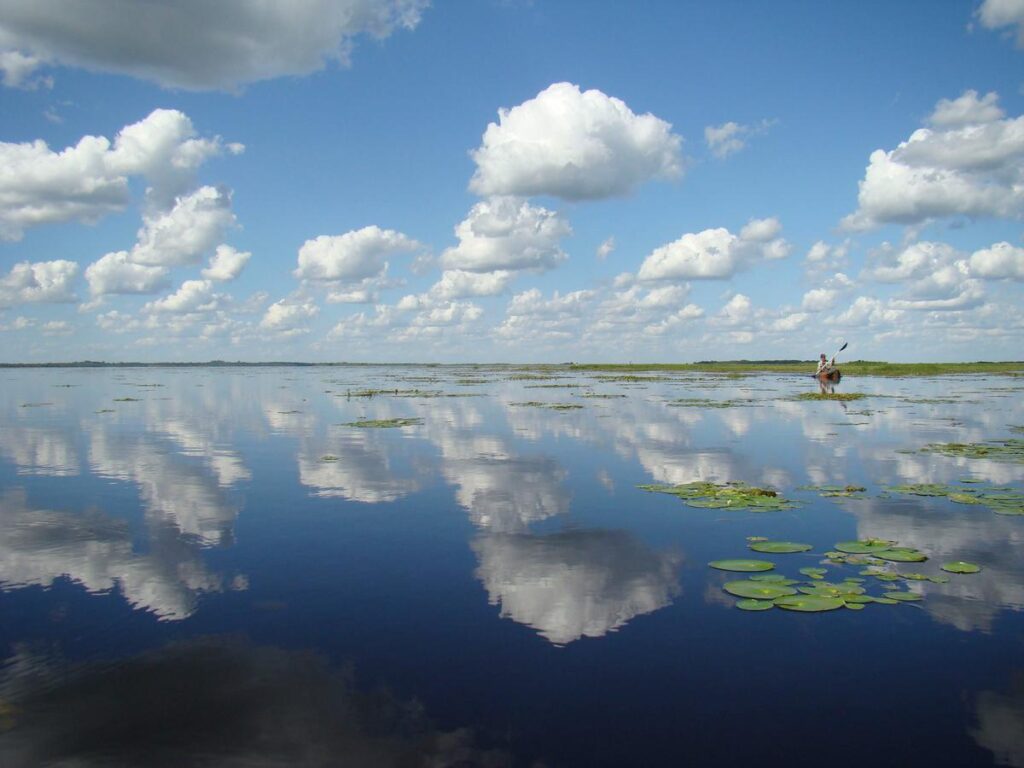 What happens with the Guarani aquifer.
However, almost five years after its implementation, the functioning of this Commission remains a mystery. Therefore, crucial documentation has been requested from the Ministry of Foreign Affairs, including:
- Minutes of the Commission’s meetings.
- Information about the Commission’s involvement in the environmental assessment of green hydrogen projects, such as the Tambor Green Hydrogen Hub in Uruguay.
- An updated map of the recharge and discharge areas of the aquifer.
- Documents on the Strategic Action Program of the Guarani Aquifer.
- Details about the relationship between the Commission and the Administrative Commission of the Uruguay River (CARU).
These claims are urgent as the aquifer faces increasing pressure from mega-extractive projects and transition energy consuming large amounts of water. Lack of transparency hinders the evaluation of environmental impacts and protects this resource from corporate interests.
Environmental Mercosur: SGT N°6 under scrutiny
Working Group N°6 (SGT N°6) is the Mercosur body responsible for the environmental dimension. Its mission is to ensure that regional integration is not limited to trade but also protects shared ecosystems and natural resources.
Despite its strategic role, its work remains invisible to the public. The Secretary of Tourism, Environment, and Sports of the Nation has been asked for:
- Minutes of its meetings from the last three years.
- Information on its participation in the environmental impact assessment of the Paraguay-Paraná Waterway and the Uruguay River.
- Documentation on its connection with the Guarani Aquifer Commission.
Why is transparency crucial?
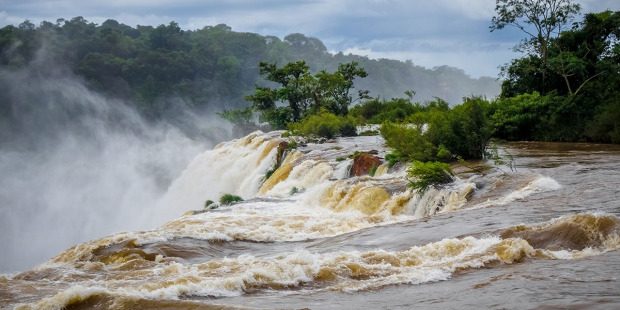 The Guarani Aquifer System (SAG) is a transboundary water resource of great relevance for the four countries.
Access to drinking water and the protection of ecosystems are matters of human security and environmental justice. Without transparency and participation, international treaties can become a facade legitimizing businesses instead of protecting communities.
These requests aim to open up public debate so that Argentine society knows how its water is managed, what commitments the country undertakes in Mercosur, and how the climate crisis is addressed at a regional level.
Why the Guarani Aquifer System is so important
The Guarani Aquifer System (SAG) is a transboundary water resource of great relevance for the countries sharing it.
It serves as a source of freshwater for millions of people, covering domestic, agricultural, industrial, and touristic needs in an extensive area of over one million square kilometers.
The distribution of the aquifer among the four countries is uneven, but its protection and sustainable management are vital in all of them, given its strategic importance for population welfare and economic development.


