



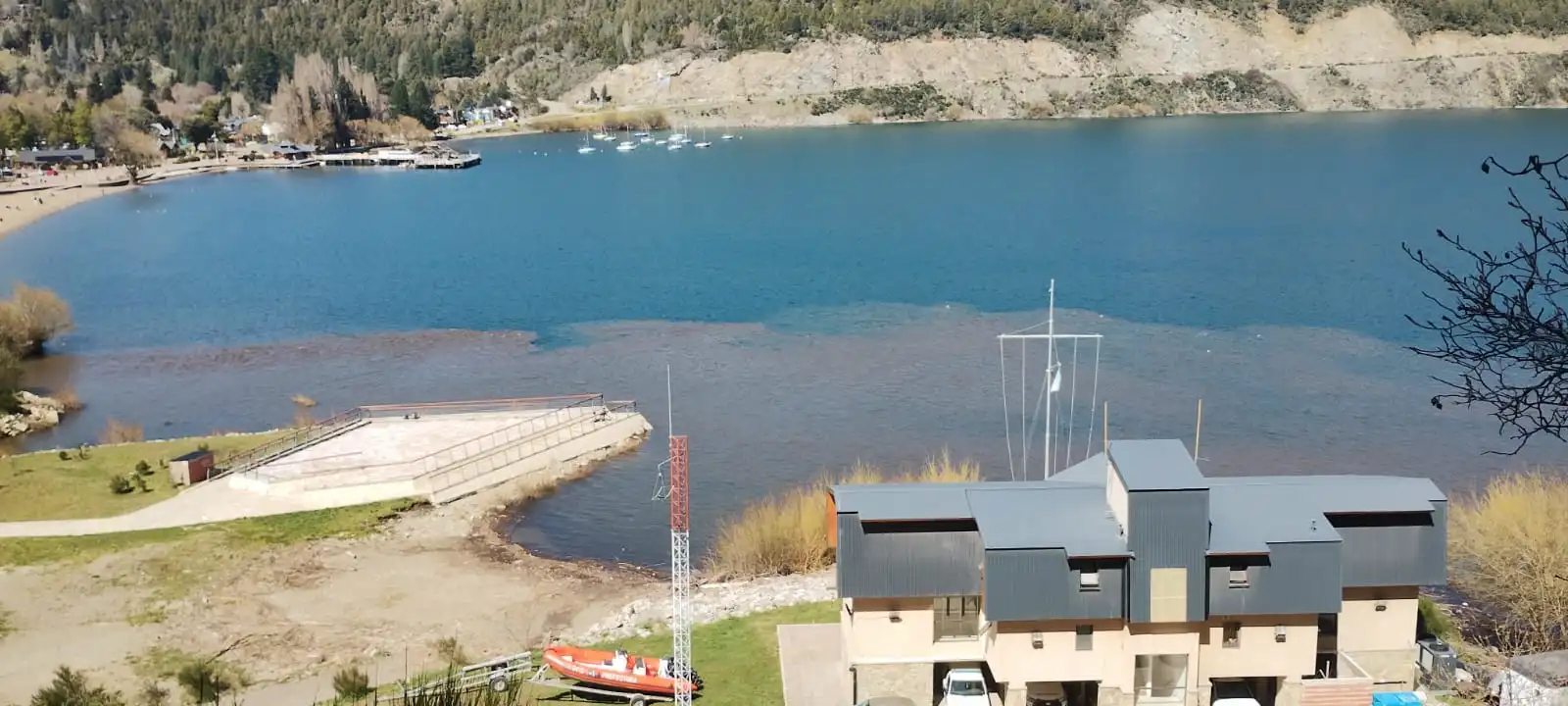
The mayor of the Lanín National Park, Ana María de las Nieves Aquín, sent a warning to the municipality of San Martín de los Andes denouncing the “extreme environmental and institutional severity” resulting from the deficient operation of the sewage system. The warning grants 72 hours to present technical reports and contingency plans, indicating that the discharge of untreated effluents into the Pocahullo and Calbuco streams directly affects the water quality of Lake Lácar, an ecosystem protected by national laws.
Background and local complaints
The issue became visible when residents requested reports on the state of the treatment plants within the framework of the Territorial Planning Plan. The Potable Water Cooperative acknowledged a structural deficit and admitted that the expansions planned in 2008 and 2018 were never executed.
Marcela Mariña, vice president of the cooperative, confirmed that the plants urgently need investment. Meanwhile, the Ombudsman for the People and the Environment, Fernando Bravo, warned of the health risk, especially in the summer season, and demanded a tariff review to guarantee basic supplies.
Recent incidents
The concern is reinforced by critical precedents:
- December 2024: a break in the PTEC-1 plant forced the activation of a bypass that led partially treated liquids to the lake, closing coastal access.
- September 2025: another break in a main pipe caused spills into the Pocahullo stream and the preventive closure of the central beach.
In both cases, Lanín Park requested technical information that was never responded to by the municipality or the Municipal Control Agency (OCM).
Environmental and legal impact
Aquín warned that the continuation of untreated effluent discharges generates cumulative and irreversible effects on the ecosystem. She emphasized that urban planning cannot be dissociated from the real capacity of sanitary infrastructure, recalling the Preventive and Precautionary Principles of the General Environmental Law No. 25,675.
Residents like Valeria López Oronoz question why the municipality promotes urban growth plans when the sewage system is already operating at its limit. “In San Martín, we are already used to the summer starting with the beach closed due to sewage,” she noted, highlighting the impact on a city that relies on tourism.
Institutional response and financing
In 2025, Governor Rolando Figueroa and Mayor Carlos Saloniti signed an agreement to carry out sewage sludge treatment works, with shared financing between the province and the municipality. However, the agreement was left out of the budget after the dissolution of Enohsa.
Aquín now demanded a definitive work schedule, with deadlines, sources of financing, and institutional responsibilities.
Social reaction
The NGO Amigos de la Patagonia described the release of sewage into the lake as “madness,” emphasizing the negative impact on a vital resource for the ecosystem and the regional tourism economy.
The sewage deficit in San Martín de los Andes exposes an environmental and health crisis that threatens Lake Lácar, a natural heritage and tourism engine of the region.
The lack of structural investment, combined with institutional passivity, turns the situation into a test case on the need to articulate sanitation policies, responsible urban planning, and effective environmental protection.



