



The latent conflict surrounding hunting tourism in Entre Ríos and its management by the provincial government is deepening.
Now, five socio-environmental organizations have submitted a formal request for access to public information to Rogelio Frigerio’s administration to explain recent authorizations for the killing of native fauna.
The focus of the controversy is on hunting tourism, an activity that the NGOs’ statement defines as “authorized by the Government of Rogelio Frigerio, which brings foreign hunters to annihilate native animals.”
The organizations CEYDAS, Ayuda Animal, Conciencia Animal, Ecoguay Gualeguay, and Luz del Ibirá not only demand data but also question the legitimacy of provincial policies.
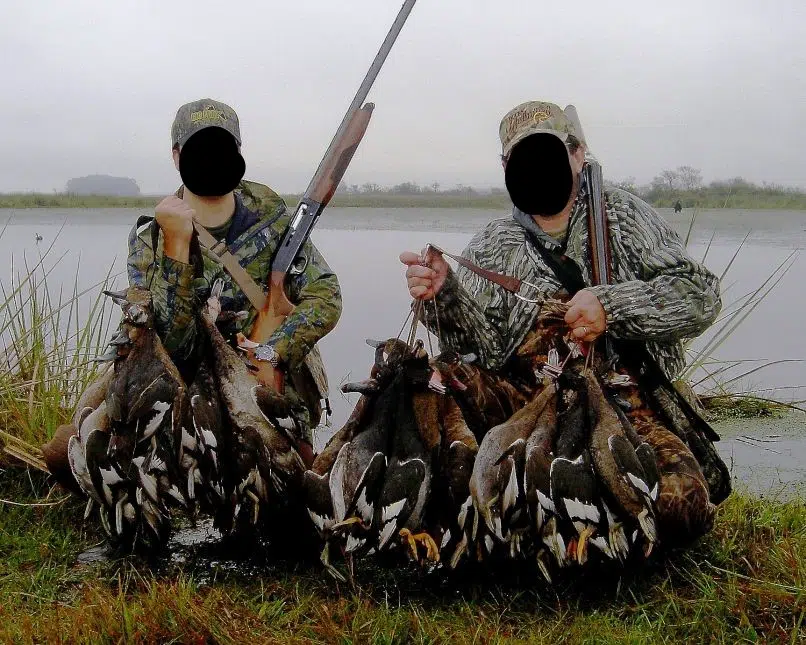
Hunting tourism in Entre Ríos: what information do the NGOs request.
The petition is not a general inquiry but a citizen audit aimed at the heart of the environmental policy of the provincial government.
The objective is to audit the scientific basis of Resolution No. 0714/25, which enabled the “sport” hunting of various species of birds, and No. 1194/25, which allowed the commercial hunting of nutria.
In the formal letter addressed to the Minister of Economic Development, Guillermo Bernaudo, and sponsored by lawyer Dr. Cecilia I. Domínguez, the organizations demand the following crucial information:
- Population studies on anatids (ducks), tinamids (partridges), and on nutria (Myocastor coypus);
- Copy of the complete regulatory framework that enabled hunting, to analyze its coherence and rigor;
- Requirements for the registration and operation of “hunting reserves”;
- List of hunting tourism companies registered in the last five years;
- Georeferenced location of all properties where they operated, allowing mapping of hunting pressure in the territory;
- Copy of the hunting quotas sheets for the last five years and complete registry and list of authorized hunters;
- Details on the personnel and state vehicles for inspection, to understand the real capacity—or lack thereof—of the State to control hunting.
The thoroughness of this request is supported by a solid legal framework that obliges the State to be accountable, setting the stage for the next phase of the claim.

Hunting tourism in Entre Ríos: the worrying silence
What exacerbates the situation and explains the strength of the current claim is the precedent of governmental opacity.
The organizations report that this same request was already submitted in 2024 to the Directorate of Inspection and Natural Resources.
However, “it was not even answered.” This previous administrative silence raised the stakes.
In their new submission, the NGOs warned that they reserve the right to take legal actions against the Government if the concealment of information is repeated.
This ultimatum transforms an administrative request into the prelude to a legal confrontation, escalating the conflict to a new legal and political dimension.


