



Australia carried out one of the largest biological control operations in its recent history by seizing over 100,000 live exotic cockroaches in the state of New South Wales. The intervention took place at a breeding facility located in the city of Bathurst, west of Sydney, where authorities detected species whose importation and commercialization are prohibited in the country.
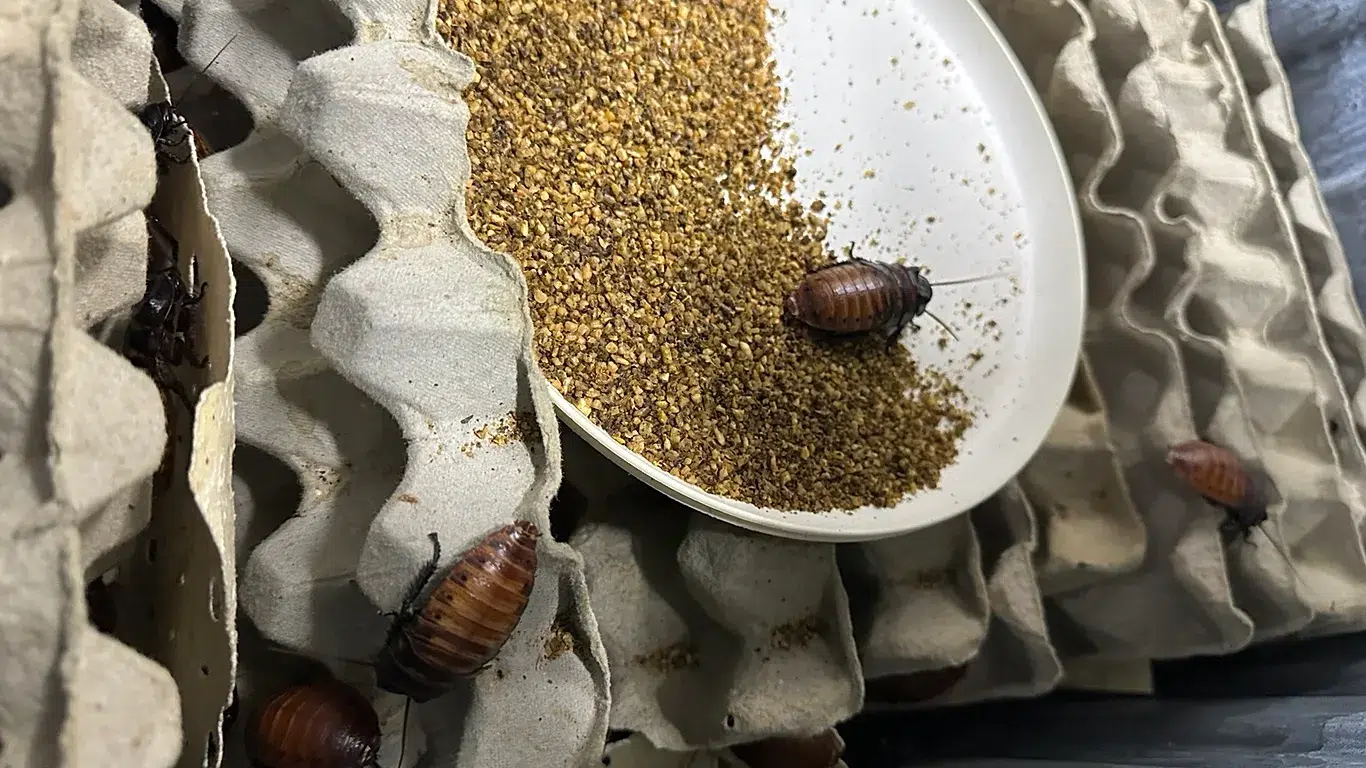
The find included thousands of specimens of dubia cockroach and Madagascar hissing cockroach, insects that can reach between 5 and 7.5 centimeters in length. Due to Australia’s strict environmental regulations, these species cannot be kept or reproduced within the national territory.
Additionally, authorities estimated that the commercial value of the illegal shipment could reach 200,000 Australian dollars, reflecting the growing demand that exists in certain specialized markets.
The ecological risk behind exotic species
Australia has some of the most fragile and unique ecosystems on the planet. For this reason, biosecurity policies aim to prevent the entry of organisms capable of altering the natural balances established over thousands of years.
In this context, officials from the Department of Climate Change, Energy, the Environment and Water warned that the seized cockroaches were never subjected to environmental assessments to determine their potential impacts on the local biodiversity.
Furthermore, the accidental or deliberate introduction of exotic species can promote the spread of diseases, generate competition with native organisms, and affect productive activities related to agriculture. Therefore, the confiscated specimens will be eliminated under strict sanitary supervision in New South Wales.
A growing illegal activity
Investigations reveal that the clandestine trade of invertebrates is expanding. In particular, the demand comes from reptile breeders, collectors, and businesses linked to the exotic pet market.
On the other hand, some of these cockroaches are used as food for snakes, lizards, and other animals kept in captivity. This use has driven commercial networks that operate outside of environmental regulations.
In light of this scenario, Australian authorities have reinforced controls and reminded that the possession, reproduction, and sale of unauthorized species constitutes a violation of the current environmental legislation.

The seized cockroaches and their appeal for species trafficking
The dubia cockroach and the Madagascar hissing cockroach are highly valued species within the international trade of exotic fauna. The former is widely used as live food due to its high nutritional content and ease of reproduction.
Meanwhile, the Madagascar hissing cockroach attracts interest among collectors for its large size and the characteristic sound it produces by expelling air through special ducts in its body. This uniqueness makes it a highly sought-after species in exhibitions and breeding facilities.
However, the trafficking of these species poses significant environmental risks. When exotic organisms enter new ecosystems, they can become invasive, displace native species, and disrupt entire food chains. Therefore, specialists consider it essential to strengthen surveillance and environmental education to prevent illegal trade from continuing to endanger global biodiversity.
Biosecurity as a conservation tool
The case in Bathurst demonstrates the importance of environmental control systems to prevent threats before they reach vulnerable ecosystems.
At the same time, the seizure highlights the need to combat species trafficking, an activity that generates ecological impacts that are often invisible but far-reaching.
Finally, the Australian experience reinforces a lesson shared by many countries: protecting biodiversity requires acting preventively, as preventing the introduction of invasive species is much more effective and less costly than trying to control their consequences once established in nature.



