



Apples and pears, two of the most popular fruits worldwide, can become a health risk as they already contain hundreds of thousands of microplastics per gram, according to a study, making plastic pollution not a distant issue anymore, but one that infiltrates daily diet.
While their health effects are still being studied, microplastics have already been detected in human blood, lungs, and placenta. This scenario poses a dual challenge: protecting the environment from plastic invasion and reducing consumer exposure through their food.
These particles have become one of the most persistent contaminants on the planet. These tiny particles, less than five millimeters in size, are present in oceans, rivers, soils, and even in the air. Current research confirms that they also invade the most common foods, compromising health and biodiversity.
Their origin is varied: they come from cosmetics, synthetic clothing, tires, and the fragmentation of larger plastics like bags and packaging. Once released, they remain in the environment for decades and integrate into ecosystems. In the case of crops, microplastics can be absorbed by the roots and transferred to the fruits.
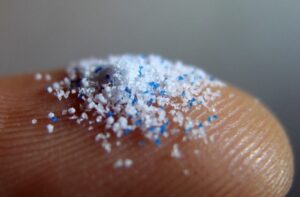 Two of the most consumed fruits have become a health hazard due to their high microplastic content.
Apples and pears: silent victims of pollution
According to recent studies, one gram of apple may contain over 195,000 plastic particles, while a pear exceeds 189,000. These values place both fruits among the most affected by invisible pollution, a fact of concern due to their widespread consumption worldwide.
The explanation lies in the ability of plants to absorb microplastics present in soil and water. Once inside the plant system, the particles travel to the fruits, which then reach the consumer. This cycle reveals how the plastic crisis infiltrates agriculture and challenges the notion of natural and safe foods.
The situation compromises both producers and consumers. For farmers, it means the need to rethink the use of plastics in irrigation systems, packaging, and coverings. For society in general, it is a warning sign about the ecological footprint of excessive plastic consumption and its impact on the food chain.
Preventing exposure: habits that make a difference
Although it is impossible to completely eliminate microplastics from food, there are strategies to reduce exposure. Thoroughly washing fruits and vegetables helps remove surface particles, while choosing fresh foods over processed ones reduces contamination from packaging.
It is also advisable to filter drinking water and avoid heating food in plastic containers, as they release additional particles. At a collective level, reducing single-use plastics and demanding biodegradable packaging are fundamental steps.
Research on contaminated fruits shows that plastic pollution permeates all stages of modern life. In this context, prevention is both an act of personal care and an ecological commitment.
 Pear and apple, two of the most consumed fruits, affected by microplastics. Photo: Unsplash.
An urgent signal to change course
The case of apples and pears, the most consumed fruits associated with health and nutrition, reveals the magnitude of the environmental problem. Microplastic contamination does not distinguish between marine or terrestrial ecosystems: it invades from oceans to the nearest orchards.
Faced with this silent threat, it is essential to advance global policies for waste management, promote compostable materials, and rethink society’s relationship with plastic. Protecting biodiversity and ensuring safe food requires action now, before pollution becomes irreversible.


