



Globally, forest fires seem to have multiplied dramatically both in frequency and costs over the last four decades.
Although humanity has coexisted with forest fires for millennia, the scenario has radically changed from 1980 to the present day.
This is revealed in a study by the University of Tasmania published in the Science journal: 43% of the most devastating events occurred in the last 10 years.
Furthermore, these fires are particularly driven by extreme climatic conditions in vulnerable and densely populated regions.
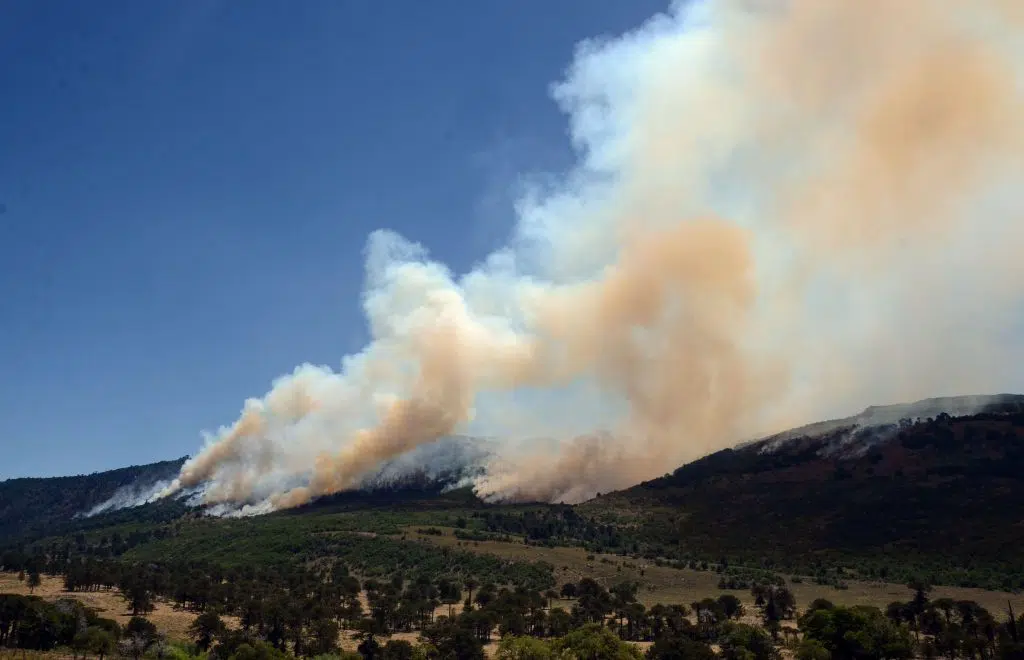
Forest Fires: Alarming Discoveries
In their study, researcher Calum Cunningham and his colleagues found that the major economic disasters caused by forest fires have quadrupled since 1980.
Additionally, fatal events due to forest fires have tripled in frequency during the same period.
“Almost half of the most damaging events in the last 44 years occurred in just the last decade,” the study’s authors point out.
Specifically, 43% of the 200 most damaging events were concentrated in the last 10 years.
Furthermore, the acceleration became more pronounced from 2015, a year that marks a turning point in the global trend.
Why Did the Forest Fire Scenario Worsen?
Why has the panorama of forest fires worsened? Apparently, there are three main reasons that significantly intensified these risks:
- Climate change;
- Poor land management, and;
- Urban expansion into flammable landscapes
“This escalation is driven by a combination of intensified climatic conditions that promote extreme weather conditions for fires, plus human factors,” explain the scientists in their findings.
Among the main reasons is the expansion of urbanization into forest areas, significantly increasing the vulnerability of forests to fires.
Changes in land use also alter natural ecosystems and modify historical fire patterns.
Finally, another aspect to consider is that long-term fire suppression policies, paradoxically, also accumulate combustible material that fuels more intense fires when they occur.

Most Affected Regions and New Patterns
Biomes prone to fires, such as Mediterranean forests, temperate coniferous, and boreal forests, bear a disproportionate share of disasters.
Particularly, these regions present natural conditions that favor fire spread.
However, the study detects that significant impacts are now also emerging in various regions that previously did not experience this type of emergencies.
Thus, the outskirts of prosperous urban areas now face particularly pronounced financial consequences.
Densely populated and vulnerable areas also combine risk factors that amplify the impact of forest fire disasters.
Additionally, the proximity between urban infrastructure and forest areas creates a high-risk scenario.
Lack of Data, a Barrier to Analyzing Forest Fires
Researchers also highlighted a structural problem in data collection.
Until now, there has been little systematic global evidence on the frequency and costs of forest fires with significant social and economic consequences.
However, the analysis by Cunningham and his collaborators managed to compile two global databases on natural disasters.
They used Munich Re’s NatCatSERVICE, one of the most comprehensive proprietary reinsurance datasets, and the publicly available emergency events database (EM-DAT).
These allowed researchers to examine forest fire disasters from 1980 to 2023.
In particular, the analysis focused on events that caused 10 or more deaths or were among the 200 largest economic losses related to fires in relation to the national GDP.
These integrated datasets allowed for the evaluation, on a global scale, of both social impacts and financial losses from major natural disasters.



