



An unprecedented wave of deaths and illnesses is affecting marine mammals on the coast of California, where nearly 400 animals —including sea lions, dolphins, seals, otters, and whales— have been stranded since June, most of which did not survive.
The main origin of this crisis is a historic outbreak of leptospirosis, a spiral-shaped bacterium that causes severe kidney damage and weakening in animals. Although outbreaks are not new, this one reached an unprecedented magnitude, with an earlier onset and a mortality rate that far exceeds previous records.
In addition to the bacterial spread, there are blooms of toxic algae, disruptions in food distribution, and a marine heatwave affecting the entire eastern Pacific. The deaths extend from San Diego to Crescent City, with alarming numbers in the San Francisco Bay, where gray whales and other cetaceans are also dying in record numbers.
The combination of diseases, pollution, and thermal stress is causing an ecological collapse in the marine ecosystem. And while rescue teams multiply to respond to emergencies, the lack of resources threatens to hinder the response amid the crisis.
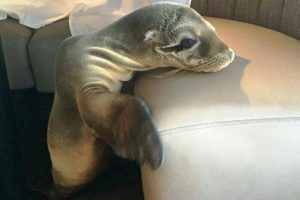
The human challenge behind the disaster
The effort of the marine rescue centers has become exhausting. On some days, emergency calls number in the dozens, with sick animals or disoriented ones on urban beaches. Without sufficient funding, organizations that rely on federal support face budget cuts that limit their operational capacity.
Adding to this pressure is the emotional impact on staff and volunteers, who work on the verge of physical saturation. Previous outbreak seasons, such as those in 2011 and 2018, already required a massive response, but never with this intensity or duration.
The crisis comes at a critical time for marine conservation: climate change, increased maritime traffic, and pollution exacerbate the vulnerability of species. Without budget reinforcement or environmental mitigation policies, scientists fear these events will recur more frequently in the near future.
Leptospirosis: a deadly expanding bacterium
The leptospirosis is an infectious disease caused by bacteria of the genus Leptospira. In sea lions, it attacks the kidneys and nervous system, causing fever, dehydration, and loss of mobility. In advanced cases, it leads to kidney failure and death.
It is transmitted through contact with water or soil contaminated by infected urine, and its spread is favored by high temperatures and stagnant waters, conditions intensified by global warming. Although it primarily affects marine mammals, it has also been detected in terrestrial species such as raccoons, skunks, and coyotes, suggesting a complex network of intercontinental transmission.
Scientists still do not know the natural reservoir of the bacteria on the Pacific coast. Some studies indicate that outbreaks occur when young groups of sea lions, without prior immunity, congregate on beaches or breeding areas, facilitating mass contagion.
The combination of bacterial outbreaks, marine toxins, and the collapse of food resources creates a high-risk health environment for all coastal fauna. Research continues, but climate change appears to be the common amplifying factor behind these crises.
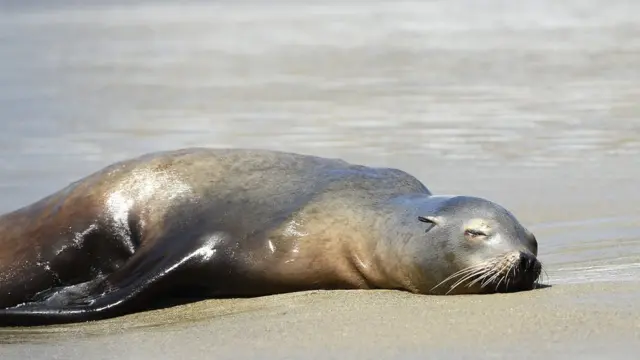
An urgent call for conservation
What is happening in California is a warning about the fragility of oceanic balance. The death of hundreds of animals not only represents a biological tragedy but also a symptom of a marine system deteriorating under multiple human pressures.
The weakening of environmental policies and the reduction of funding for scientific research compromise the ability to anticipate and mitigate new epidemics. Without stable resources or constant monitoring, the response comes too late, and the ecological loss multiplies.
Meanwhile, the tireless work of rescuers is sustained by will and commitment. In marine hospitals in Sausalito and Castroville, teams try to save the few survivors, symbols of an unequal struggle against an environmental crisis that demands immediate actions and a comprehensive view of ocean health.



