



In the heart of the Chaco, the production of carob flour has become a symbol of sustainable development and community participation. Every November and December, dozens of families gather to collect the fallen pods of the carob tree, an ancient tree that feeds, protects, and generates work without harming the ecosystem.
During 2024, 65 families participated in this initiative and managed to collect seven tons of pods. This year, the challenge is greater: to reach 18 tons, with more local hands joining the cause. The harvest not only boosts the regional economy but also strengthens the bond between communities and their natural environment.
The Algarroba Program, promoted by Emprendedores por Naturaleza of the Fundación Rewilding Argentina, seeks to generate sustainable economic alternatives. The idea is simple and powerful: for the inhabitants to stay on their lands, make use of the resources of the Chaco forest, and contribute to its conservation through regenerative economies.
The carob tree, a key species of the Chaco ecosystem, offers multiple usable fruits. From its pods, a natural, nutritious, and versatile flour is obtained, resulting from a process that begins with community collection and ends in mills where the product is ground and packaged ready for consumption.
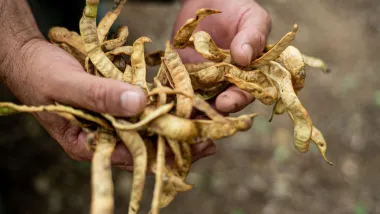
Nourishes the body and preserves the life of the forest
The challenge for 2025 is to expand production, install an own mill in the Chaco, and ensure that the entire process, from drying to packaging, is carried out locally. This will not only add value to the product but will guarantee stable employment and opportunities for young people.
Carob flour thus stands as an emblem of balance between development and nature. A food that not only nourishes the body but preserves the life of the forest, celebrates community unity, and demonstrates that it is possible to grow while caring for the land.
A food that nourishes the body and protects the planet
Carob flour is a nutritional and ecological gem. Rich in fibers, antioxidants, calcium, magnesium, and iron, it helps improve digestion, stabilize blood sugar, and strengthen bones. Moreover, its natural sweetness allows reducing the use of sugar in preparations, making it ideal for a healthy and conscious diet.
From the environmental point of view, its production is exemplary. It does not require deforestation or artificial irrigation, as the pods are collected directly from the ground when they mature. This method avoids impacting the native forest and promotes conservation practices.
Unlike other industrial crops, carob flour does not depend on agrochemicals or heavy machinery. Its carbon footprint is minimal, and its artisanal production strengthens social ties within the communities involved in the production process.
Currently, the cooks of the Impenetrable prepare puddings, alfajores, tortillas, and drinks like the traditional aloja, sharing with tourists a gastronomic experience that combines flavor, history, and sustainability.
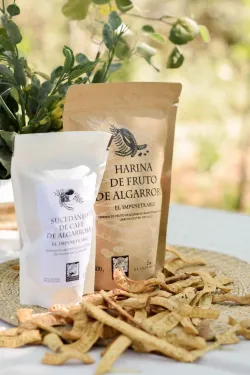
Carob flour, suitable for everyone: gluten-free and full of history
One of the great values of carob flour is that it is naturally gluten-free, making it an excellent alternative for people with celiac disease or gluten intolerance.
The celiac disease is an autoimmune condition where the consumption of gluten—a protein present in wheat, oats, barley, and rye—damages the villi of the small intestine, preventing the proper absorption of nutrients. On the other hand, gluten intolerance does not cause intestinal damage but causes digestive discomfort and general malaise after consuming it.
Being 100% plant-based and gluten-free, carob flour allows the preparation of nutritious, safe, and tasty foods for all audiences. Its texture and slightly sweet flavor make it an ideal substitute for cocoa or common flour in sweet or savory recipes.
Moreover, its local origin boosts a chain of sustainable value: from collection to milling, the process generates employment, promotes settlement, and strengthens the cultural identity of the Chaco forest.


