



The Sarmiento department, San Juan, once again became the center of the environmental scene following an operation that revealed the extent of native bird trafficking. The Rural Police No. 4 carried out three simultaneous procedures at different addresses linked to the clandestine sale.
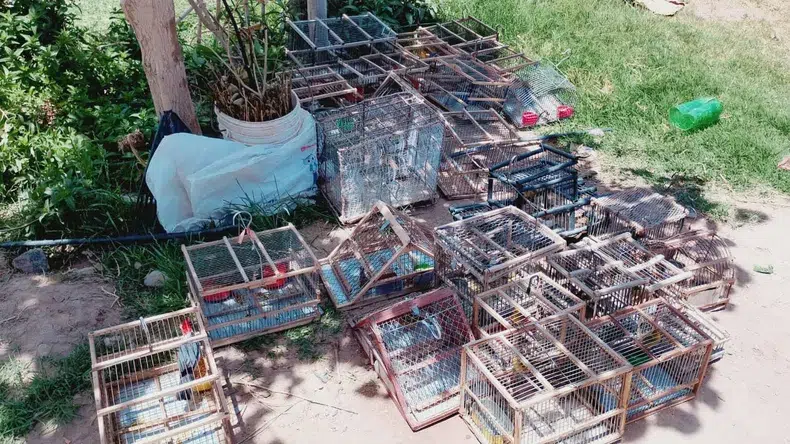
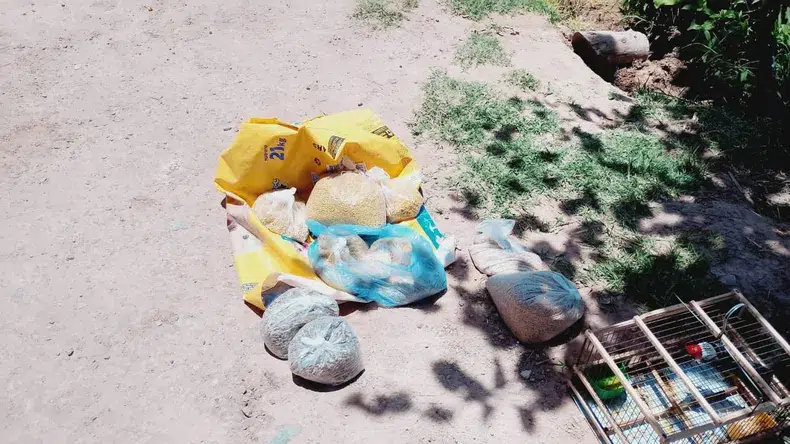
Authorities seized dozens of specimens and a large number of traps and cages used to capture protected wildlife. The officers acted under a court order and found a scenario repeated in many provinces: wild species kept in captivity, ready for commercialization.
The Directorate of Wild Bird Possession and Rescue accompanied the actions to ensure the immediate recovery of the specimens. The animals were transferred to a veterinary center to begin a sanitary process that will allow their future reintegration into the environment.
Those investigated for the illegal activity were notified according to provincial laws that protect biodiversity. Authorities emphasized that these practices disrupt the ecological balance and endanger already vulnerable populations. They also reiterated the importance of anonymously reporting any case of capture or sale of wildlife.
A crime that erodes biodiversity
The trafficking of native birds is one of the most widespread environmental crimes in Argentina. This activity removes breeding individuals from their natural environments, weakening populations already facing pressures from habitat loss.
Specialists warn that illegal trade pushes many species towards increasingly higher threat levels. Besides the ecological impact, the capture conditions are often extremely cruel.
The traps used in the operations show methods that cause stress, injuries, and a high mortality rate. Only a portion of the captured specimens reach the clandestine markets alive.
Constant extraction also affects the dispersal of seeds and insect control, key functions performed by many species. When environments lose their native birds, the ecosystem structure is altered irreversibly. Reversing these dynamics requires sustained state control and a firm social commitment.
Native birds most affected by trafficking
In the country, various species are among the most captured due to their song, color, or rarity. Among them are the red-crested cardinal, the king of the Chaco forest; and the diuca, commonly sought for its vocalization. The loicas also make the list, appreciated for their intense colors and adaptability to captivity.
The kiskadee is among the most trafficked specimens despite its abundance, causing population declines in rural areas. The chamuchinas and golden-billed saltators, small and striking, are often targeted by hunters due to their demand in clandestine fairs.
These species fulfill essential ecological roles, from pest control to the dispersal of native plants. Trafficking also affects granivorous and frugivorous birds that maintain plant diversity. Their absence modifies the natural regeneration of forests and grasslands. Therefore, each extracted specimen represents a silent loss for ecosystems.
The ecological consequences of illegal capture
The extraction of wild birds reduces the ecosystems’ ability to recover from other human pressures. When breeding adults are removed, populations lose genetic variability and resilience. This increases the likelihood of them disappearing in areas where they were once abundant.
In the long term, the decline of native birds alters entire food chains. Predators find less food, and species that depend on them suffer cascading effects. The imbalance is also reflected in the increase of agricultural or urban pests.
The loss of biodiversity also compromises landscape stability. Each species fulfills an irreplaceable function in the ecological web. Protecting them is a direct way to conserve the environmental services that sustain human life.
How the community can collaborate
Fighting wildlife trafficking requires citizen participation. Anonymous reports allow for the detection of capture, sale, or transportation of protected animals. The official channels enabled facilitate the rapid intervention of environmental authorities.
Avoiding the purchase of wild birds is another key action. Demand sustains the illegal chain and perpetuates the damage to ecosystems. Informing oneself and raising awareness among others helps reduce this clandestine market.
Environmental education in schools and communities is also fundamental. Understanding the ecological role of birds promotes practices of care and respect. Each gesture contributes to curbing a problem that compromises the country’s biodiversity.



