



The Congo rainforest, historically considered one of the planet’s main carbon sinks, is undergoing an alarming transformation.
From 2010 to 2017, this vast ecosystem went from absorbing carbon dioxide to becoming a source of emissions, releasing more CO₂ than it captures.
This drastic change represents a monumental challenge for global efforts against climate change.
The Congo Basin, the second-largest tropical rainforest in the world, has today lost its function as a natural barrier against global warming.
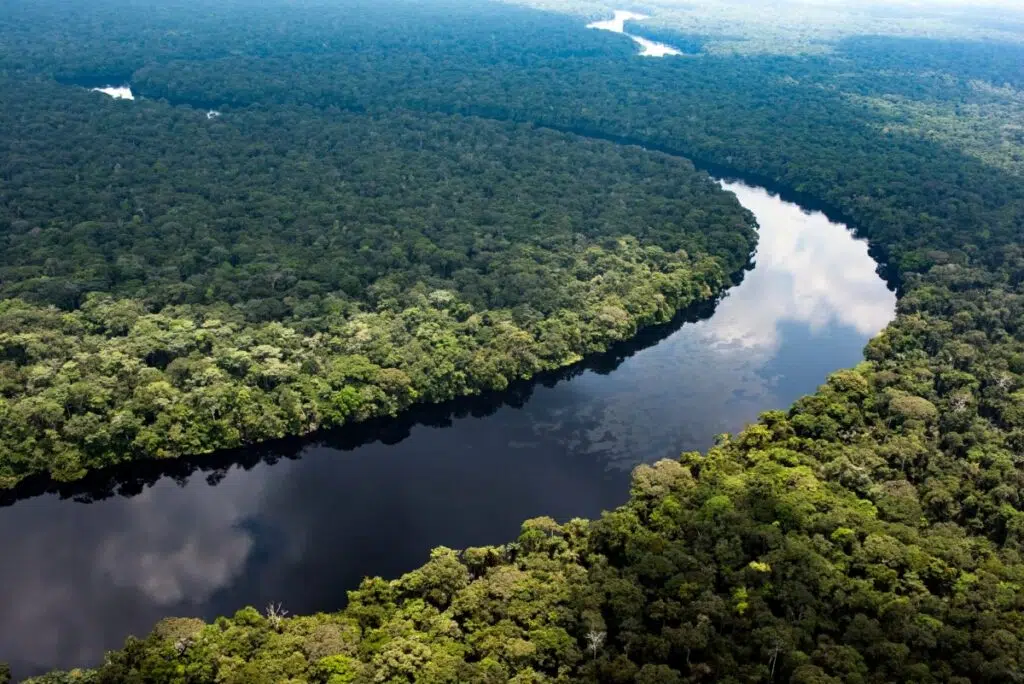
Alert for the Congo rainforest, from sink to source of emissions
The African forests historically absorbed up to 20% of the CO₂ captured by global vegetation.
The Congo rainforest dominated as the main sink, annually extracting around 600 million tons of carbon dioxide from the atmosphere.
However, between 2011 and 2017, these forests not only stopped gaining biomass but began to lose it.
A loss of 106 million tons of biomass annually was recorded, equivalent to about 200 million tons of CO₂ released each year.
The phenomenon was documented by the team led by Heiko Balzter from the University of Leicester, United Kingdom.
Balzter warns that this change “basically forces us to reduce our greenhouse gas emissions from the burning of fossil fuels even faster to reach near-zero emissions.”
Logging and mining: the main destroyers
Human activities drive this environmental metamorphosis in the Congo rainforest. There, two factors stand out as main destroyers:
- Artisanal and industrial mining: extraction of gold and coltan, the latter essential for electronic devices
- Illegal logging of precious woods: species like African teak and coralwood destined for international markets
- Conflict and economic precariousness: small miners devastate forests to access mineral resources
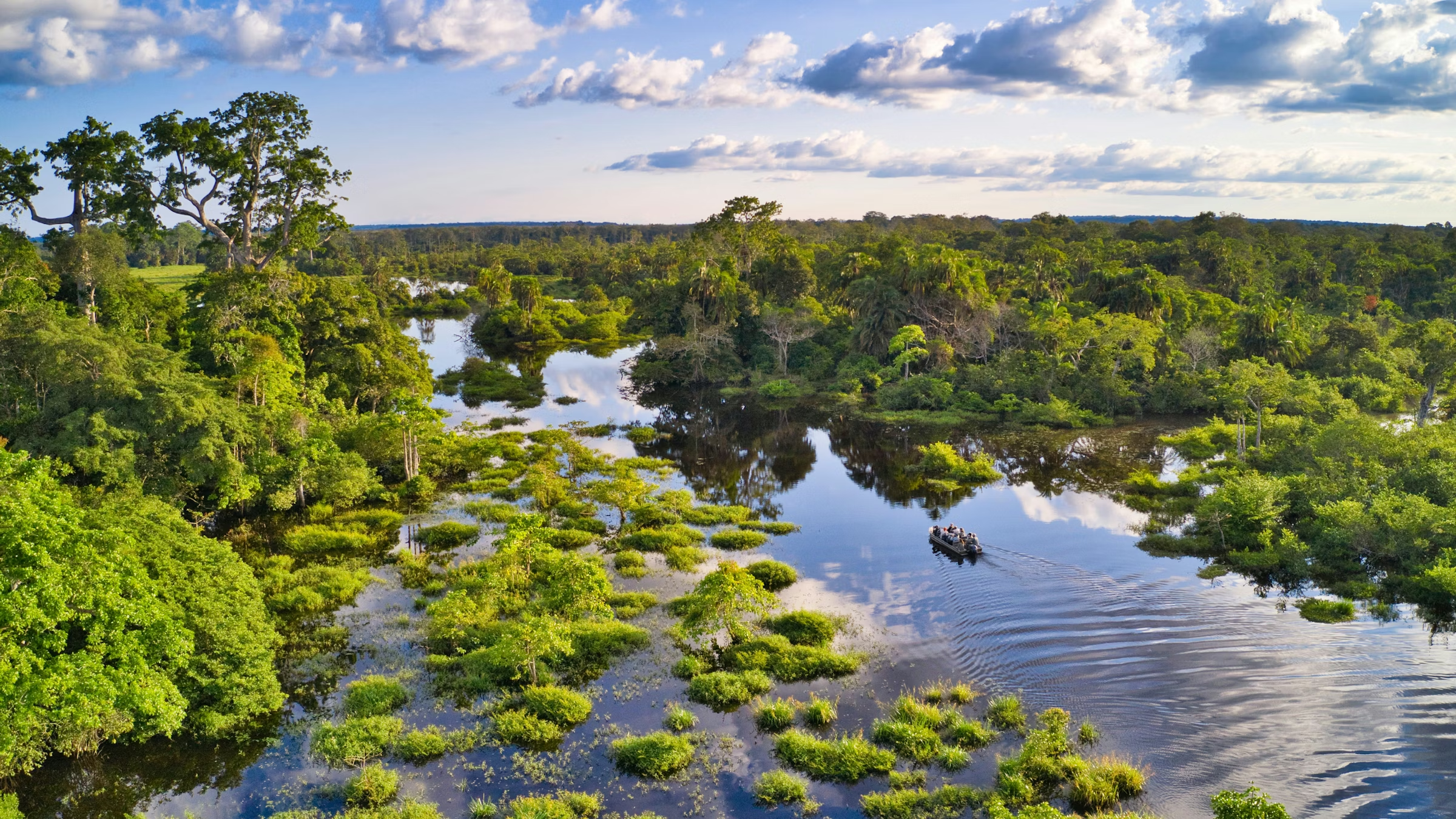
In the Democratic Republic of the Congo, large swathes are destroyed to make way for the extraction of key minerals.
This is compounded by the illegal exploitation of precious woods, often by foreign companies.
This dual pressure translates into accelerated deforestation and the continuous loss of biomass that directly impacts the carbon balance.
Balzter states that “deforestation in the Congo tropical rainforest” is the key factor behind the transformation of the carbon balance in African forests.
New demands for climate struggle
The loss of forests as a carbon sink imposes serious demands on the global fight against climate change.
Changes in the role of these forest masses alarmingly reduce their leeway as allies in mitigation.
To characterize the state of African forests, researchers turned to satellite technologies.
Balzter and his colleagues “estimated the amount of biomass through satellite measurements of the color and moisture content of the forest canopy, as well as its height at certain points.”
Although ground data remains limited in much of Africa, these methods provide a useful approximation.
The study acknowledges that it did not include elements such as wet peatlands, which retain approximately 30 billion tons of ancient carbon beneath the surface of the Congo rainforest.


