



The wetland of Parque Finky has once again taken center stage in the environmental agenda of Lomas de Zamora. This natural space, in addition to hosting numerous species of native flora and fauna, plays a strategic role in the face of the effects of climate change, as it acts as a water reservoir during heavy rains and helps moderate temperatures during periods of extreme heat.
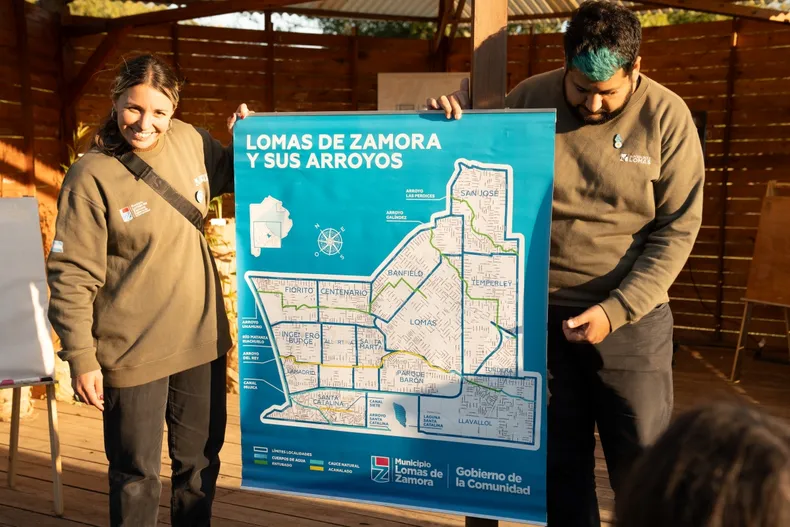
In this context, the Municipality organized a participatory day with residents and socio-environmental organizations to analyze a proposed ordinance aimed at ensuring the conservation of this valuable urban ecosystem.
Additionally, the meeting allowed for the exchange of experiences and the addition of contributions related to water management, flood prevention, and the survey of biodiversity present in the area, thus strengthening the project before its legislative treatment.
An ordinance to conserve the water system of Arroyo Galíndez
The initiative proposes to declare the integrated set of the wetland and reservoir of Parque Finky, the Santa María Canal, and the section of the stream that still retains its natural course as a “Protected Wetland Arroyo Galíndez”.
On one hand, the proposal seeks to safeguard the water function of the system, which is essential for buffering excess water during intense rainfall events. In this way, it aims to reduce flooding risks in nearby urban areas.
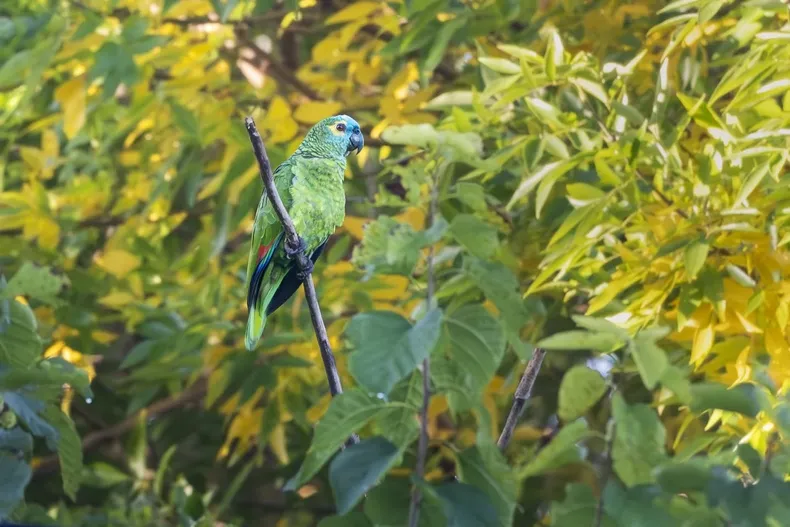
On the other hand, the project includes the protection of ecological processes that allow the survival of numerous species of plants, birds, amphibians, and insects. It also establishes criteria for organizing future uses and interventions, promoting permanent policies of environmental conservation and restoration.
From dump to biodiversity refuge
The advancement of this proposal also represents recognition of the sustained work of residents and organizations from Temperley and Turdera who, for years, promoted the recovery of a degraded space.
Thanks to various community actions, an old open-air dump was transformed into one of the natural environments with the greatest biological richness within the district.
Consequently, the protection project seeks to ensure that the efforts made over decades continue, preserving both the ecological value and the social and educational use of the place for future generations.
The benefits of conserving wetlands in large urban centers
Urban wetlands are considered essential natural infrastructures for modern cities. Their ability to absorb large volumes of water helps reduce the impact of intense storms and relieve pressure on drainage systems.
Additionally, they function as natural thermal regulators. The presence of water and vegetation helps reduce the so-called “heat islands”, a phenomenon increasingly common in densely urbanized areas.
In turn, these ecosystems capture carbon, improve air quality, filter pollutants, and offer refuge to numerous species of wildlife. They also create spaces for recreation, environmental education, and contact with nature, enhancing the quality of life for the population.
The tree census and reforestation in neighborhoods are progressing
Parallel to the initiative related to the wetland, the Municipality is conducting a comprehensive tree census in collaboration with the Faculty of Agronomy of the UBA.
The tasks have already reached streets and public spaces in Temperley, Lomas, Banfield, San José, Lamadrid, Parque Barón, Santa Marta, Centenario Budge, and Fiorito. Currently, the work continues in Santa Catalina.
Using digital tools, each specimen is photographed and georeferenced, generating technical information that allows for planning new urban reforestation actions. Additionally, participatory plantings in different neighborhoods continue, a strategy that aims to expand vegetation coverage, improve environmental quality, and strengthen the city’s adaptation to future climate challenges.


