



A recent resolution by the National Parks Administration drastically modified the limits for construction within the protected areas of Patagonia. The measure doubled the area allowed on private lands and increased the possible number of houses and buildings in the country’s emblematic parks.
The change allows a 100-hectare lot to increase from a maximum of 2,400 to 5,500 square meters of buildable area. The total buildable area also increased from 3,900 to 8,900 square meters, altering the scale of occupation that had been in place until now.
This increase has a direct effect on the number of buildings. In Lanín Park, it went from 964 to 1,737 potential units, while in Nahuel Huapi, the jump was from 1,658 to 2,944. The territorial impact is projected immediately on areas of high natural value.
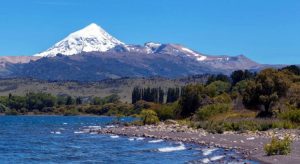
Ecological risks amid unprecedented densification
Environmental organizations warned that the regulation opens the door to accelerated urbanization within the reserves’ boundaries. They claim that the increase in housing will transform previously isolated landscapes into densely occupied areas.
The presence of more people implies greater circulation, more roads, and an increase in services that modify the ecosystem’s structure. Fragmentation due to access roads, fences, and cars alters wildlife dynamics and reduces natural connectivity.
The risk of fires also increases with intensified human presence. This is compounded by a greater demand for water, increased effluents, and the loss of vegetation cover due to clearing associated with new settlements.
Lack of comprehensive environmental assessment and absence of international consultation
Organizations point out that the regulatory change was not accompanied by a Strategic Environmental Assessment, an essential analysis to understand the cumulative impact of a measure of this magnitude. Without this study, they argue, it is impossible to gauge the long-term effects.
Case-by-case evaluations do not replace a comprehensive analysis. Each new project may seem acceptable in isolation, but together they generate a greater impact that is not being quantified or considered.
Additionally, the resolution was not communicated to UNESCO, despite Los Glaciares and Los Alerces —two of the affected parks— being declared World Natural Heritage sites. The omission could compromise the international status of these areas.
Conservation at stake: ignored legal obligations
The national reserves aim to protect unique ecosystems, emblematic species, and sensitive ecological processes. Argentine legislation requires that human development within these areas be compatible with these priority objectives.
Organizations argue that the new regulation contradicts the spirit of the National Parks laws and the General Environmental Law. By encouraging occupation in fragile territories, they believe it jeopardizes the integrity of the forests, native fauna, and water resources.
They also warn that the measure sets a concerning precedent, as it enables an expansion model that could be replicated in other protected areas of the country, weakening the historical protection of these territories.
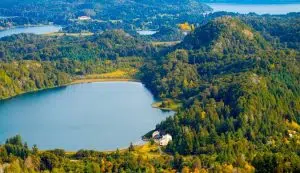
Why these modifications were promoted
The new building rules respond to the objective of updating the regulatory framework to allow greater residential and tourist development on private properties within the reserves. The intention is to grant more flexibility to landowners and facilitate infrastructure projects aligned with local economic activities.
The resolution seeks to accompany the growth of the demand for tourist services, improve accommodation offerings, and promote new investments. It also aims to regularize situations inherited from old regulations, where many properties had limitations considered obsolete for their current use.
Another stated purpose is to homogenize construction criteria in different parks to reduce conflicts and expedite procedures that, according to its proponents, were excessively restrictive and did not consider the region’s social and productive needs.
Ecological consequences and the need for urgent review
The construction expansion within national parks poses a challenge for environmental management. Without comprehensive studies, the pressure on ecosystems could increase irreversibly, affecting forests, watercourses, and native species habitats.
Various organizations demand that the resolution be suspended and reviewed under solid environmental parameters. They argue that only a transparent process, with scientific and social participation, can ensure the real protection of the Patagonian territories.
The debate will continue in the coming weeks, while environmental defenders demand that protected areas maintain their essential function: being intact refuges against the advance of urbanization and climate change.



