



Fleas and ticks affect the health of dogs and cats, but they also pose an environmental challenge. Many conventional products contain persistent chemicals that contaminate water and soil. In response, natural alternatives are growing, protecting pets and reducing the ecological impact.
The ecological approach seeks to prevent infestations without harming the skin or altering ecosystems. The key is to combine hygiene, natural repellents, and environmental control. These practices, sustained over time, offer effective and safe results.
Additionally, opting for natural methods reduces the risk of allergies and resistance. It also promotes a more balanced coexistence between animals, people, and the environment. Prevention thus becomes a tool for comprehensive care.

Hygiene and daily care as the first barrier
Frequent brushing helps detect fleas and ticks in early stages. It also allows for the removal of eggs and dirt before they settle in the coat. It’s a simple practice that strengthens the bond and improves skin health.
Regular baths with neutral soaps or natural formulas clean without drying the skin. Ingredients like oatmeal or aloe vera soothe irritations and reinforce the natural barrier. Healthy skin is less vulnerable to parasites.
Keeping blankets, beds, and toys clean reduces reinfection hotspots. Frequent washing with hot water eliminates larvae and eggs. Environmental hygiene is as important as that of the animal.
Natural repellents that respect the skin
Some essential oils, used carefully and in low concentrations, act as repellents. Lavender, citronella, and eucalyptus are common options in specific preparations for pets. They should always be applied diluted and never directly.
Apple cider vinegar, mixed with water, can be used as an environmental spray or on the coat. Its smell is unpleasant to parasites but tolerable for animals. It is an accessible and biodegradable option.
Dried herbs like rosemary or chamomile can be incorporated into mild infusions. These are applied once cooled on the coat, avoiding eyes and mucous membranes. The effect is preventive and complementary to other measures.
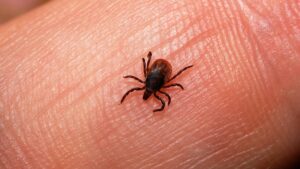
Ecological control of the environment
Fleas and ticks do not only live on the animal but also in the environment. Keeping yards trimmed and free of plant accumulation reduces natural shelters. Ventilation and sunlight are allies against parasites.
The use of food-grade diatomaceous earth outdoors helps control infestations. This mineral powder acts mechanically without toxic chemicals. It should be applied in dry areas and out of the animal’s direct reach.
Repellent plants like lavender, mint, or rosemary can be incorporated into the garden. Besides beautifying the space, they help deter parasites. It’s a natural solution that integrates landscape and prevention.
Sustained prevention and animal welfare
The effectiveness of ecological methods depends on consistency. It is not an isolated action but continuous care. Prevention reduces the need for more aggressive treatments.
Observing changes in the skin or behavior allows for timely action. Excessive itching, redness, or wounds require immediate attention. In case of doubt, veterinary consultation is always necessary.
Choosing natural alternatives is a decision that benefits everyone. It protects the health of pets, cares for the environment, and promotes responsible habits. An ecological approach demonstrates that animal welfare can go hand in hand with sustainability.



