



Through cutting-edge satellite technology, the space agency analyzes the crucial role of these microorganisms in the marine food chain of the ocean giants and the global climate regulation.
The National Aeronautics and Space Administration (NASA) has set its sights on the deep seas to unravel the mysteries of large-scale biological survival.
Through the NASA’s PACE mission, scientists have managed to document the critical importance of phytoplankton, microscopic organisms that, despite their invisible size to the human eye, form the fundamental pillar that keeps the giants of the sea, such as whales and large sharks, alive.
The PACE (Plankton, Aerosol, Cloud, ocean Ecosystem) satellite, launched to observe the Earth from a hyperspectral perspective, functions as a sophisticated orbital laboratory.
Its main instrument, the OCI (Ocean Color Instrument), allows researchers to identify the diverse phytoplankton communities based on the subtle coloration of the water.
This technological capability is unprecedented, as it allows distinguishing between beneficial species and those that could be harmful to ecosystems.
The invisible engine of the oceans
Phytoplankton is not only the base of the trophic pyramid. Its relevance transcends the feeding of the great cetaceans; these photosynthetic microorganisms are responsible for producing approximately 50% of the oxygen we breathe.
Like terrestrial plants, they capture carbon dioxide (CO2) from the atmosphere, playing a decisive role in mitigating global warming and regulating the carbon cycle.
The NASA’s PACE mission seeks to understand how climate change is affecting the distribution and abundance of these organisms.
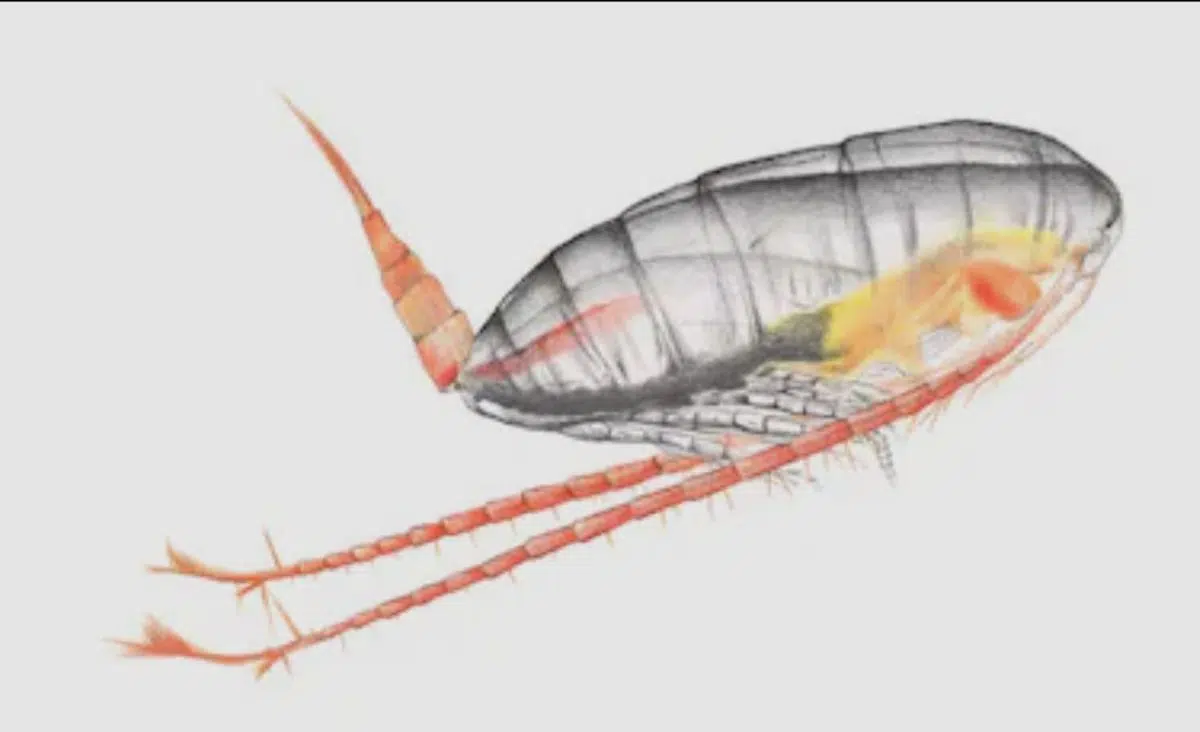
A shift in phytoplankton populations could trigger a domino effect impacting everything from small crustaceans to the largest predators of the oceans, altering food security and the health of marine ecosystems worldwide.
Scientific innovation from space
Thanks to the collected data, the team of scientists can monitor the ocean’s health in real-time. The satellite’s capability to observe across a wide range of wavelengths allows detecting changes that were previously imperceptible.
This information is vital not only for marine biology but also for sectors like fishing and environmental management, providing a powerful tool to protect global water resources.
With this advancement, NASA reaffirms that the study of outer space is key to understanding and preserving life on our own planet, demonstrating that the fate of Earth’s largest creatures directly depends on the health of its smallest inhabitants.


