



With a decrease in precipitation of between 30% and 40% in high peaks over the past few years, the drought in Northern Patagonia has reached critical levels today.
This is revealed by a recent report conducted by the National Institute of Agricultural Technology (INTA), which warns about the severity of the water deficit in the region.
The study titled “The water resource for the next summer and fall: changes in precipitation and temperatures in the provinces of Río Negro and Neuquén” shared alarming data.
The most relevant indicates that the region’s water basins face a prolonged deficit, which worsened during this winter.

15 years of water deficit in Patagonia
Leonardo Claps, a technician from INTA Bariloche and co-author of the report, explained that the region is going through a critical moment.
“This means that all the basins, for many years now, have been experiencing a water deficit,” he stated in radio interviews.
In particular, this 2025 the Limay and Neuquén basins, crucial for the country’s electric power system, showed significant deficits.
According to Claps, the rainfall regime has remained below average for approximately 15 years.
However, the drought in Patagonia intensified last year due to the absence of snow accumulation in the high peaks.
“The extraordinary drought this winter caused no water to accumulate in the high peaks, making the situation very critical,” warned the specialist.
Climate change as a determining factor
Among the main causes of the recurrent drought in Patagonia, climate change is the most significant, according to INTA’s analysis.
In the last decade and a half, normal precipitation patterns have radically transformed.
“This climate change made normality cease to be normal,” explains Claps in this regard.
The report was based on data from the AIC (Interjurisdictional Basin Authority) for Río Negro and Neuquén, complemented with field measurements.
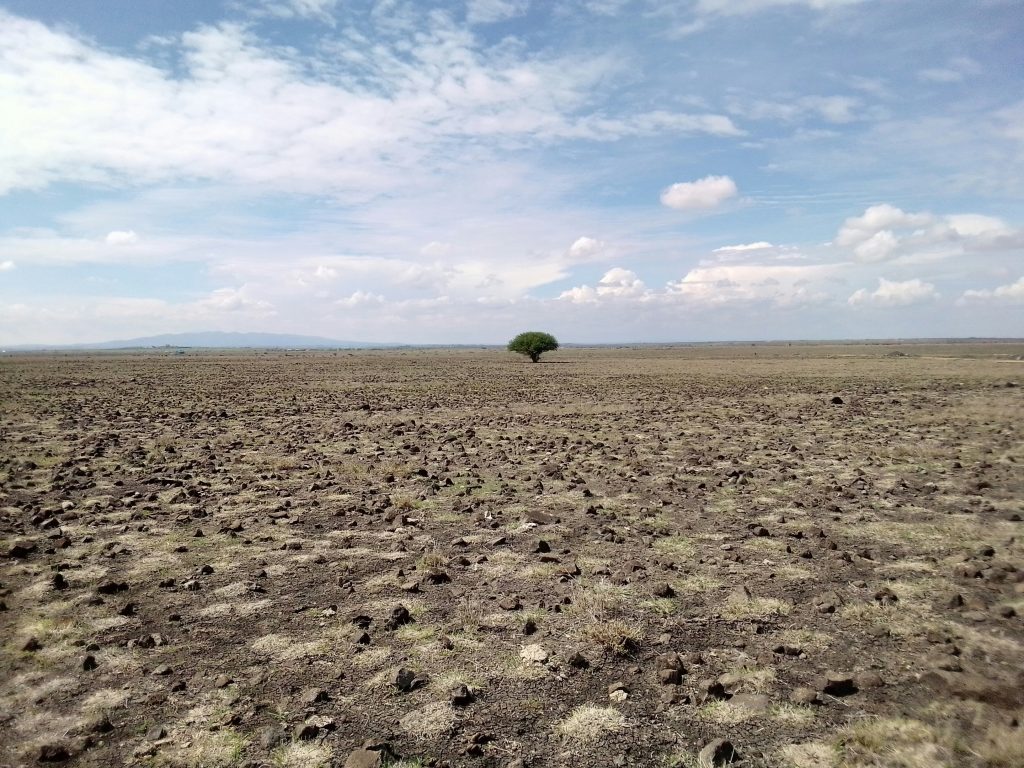
The origin and consequences of the drought in Patagonia
Other factors behind the droughts in Patagonia are pollution and the generation of greenhouse gases, according to Claps.
Extractive and consumer economic activities contribute to the global problem.
“There are different types of greenhouse gases that contribute to climate change,” explained the researcher.
Additionally, the situation is exacerbated by the fact that global protocols to combat this situation have never been fully complied with, leading to climate changes at a planetary level.
The specialist also highlighted a paradoxical phenomenon: while the region becomes drier, unusual torrential rains appear in its place.
This type of concentrated rainfall does not allow for adequate infiltration into the soil, so it does not help against the drought in Patagonia.
“When so much falls in such a short time, it all evaporates or turns into a flash flood,” detailed Claps.
Thus, the water does not penetrate the surface layer, preventing the necessary underground accumulation.
The impact on water resources
The effects of the drought in Patagonia include:
- Absence of snow accumulation in high peaks during winter
- Reduction of 30% to 40% in precipitation compared to normal historical values
- Sustained water deficit in the Limay and Neuquén basins
- Less water infiltration into underground layers
- Changes in traditional precipitation patterns
“Nature is not giving us the water we need,” noted Claps.
In this regard, the technician warned that if snow does not fall in the high peaks during the season, water will inevitably be lacking in the lower areas.
The current water situation represents one of the most concerning moments in the history of Northern Patagonia.
In response, the INTA continues to monitor the basins to assess the impact in the medium and long term.


