



The Greenland crisis, triggered by the United States’ annexation ambitions, has raised alarms among scientists, environmental defenders, and local communities.
The debate not only revolves around the island’s sovereignty but also the impact that potential militarization and resource exploitation would have on the fragile Arctic ecosystem and the Inuit people’s way of life.
Climate change and pressure on resources
International experts agree that the Arctic is facing a critical situation:
- Climate change accelerates ice melting and alters unique ecosystems.
- The pressure to exploit vast natural resources —minerals, hydrocarbons, rare earths— increases environmental vulnerability.
- Military presence and increased maritime transport pose additional risks to biodiversity and climate stability.
The stance of the United States
U.S. President Donald Trump insisted that Greenland should come under U.S. control to “preserve global peace and security.” His plans include:
- The militarization of the territory to integrate it into the Golden Dome, a ballistic missile defense system aimed at protecting North America.
- The investment of hundreds of billions of dollars in security programs linked to this system.
- The threat to impose 10% tariffs on products from European countries that have sent troops to Greenland in support of Denmark.
Impact on the Inuit population
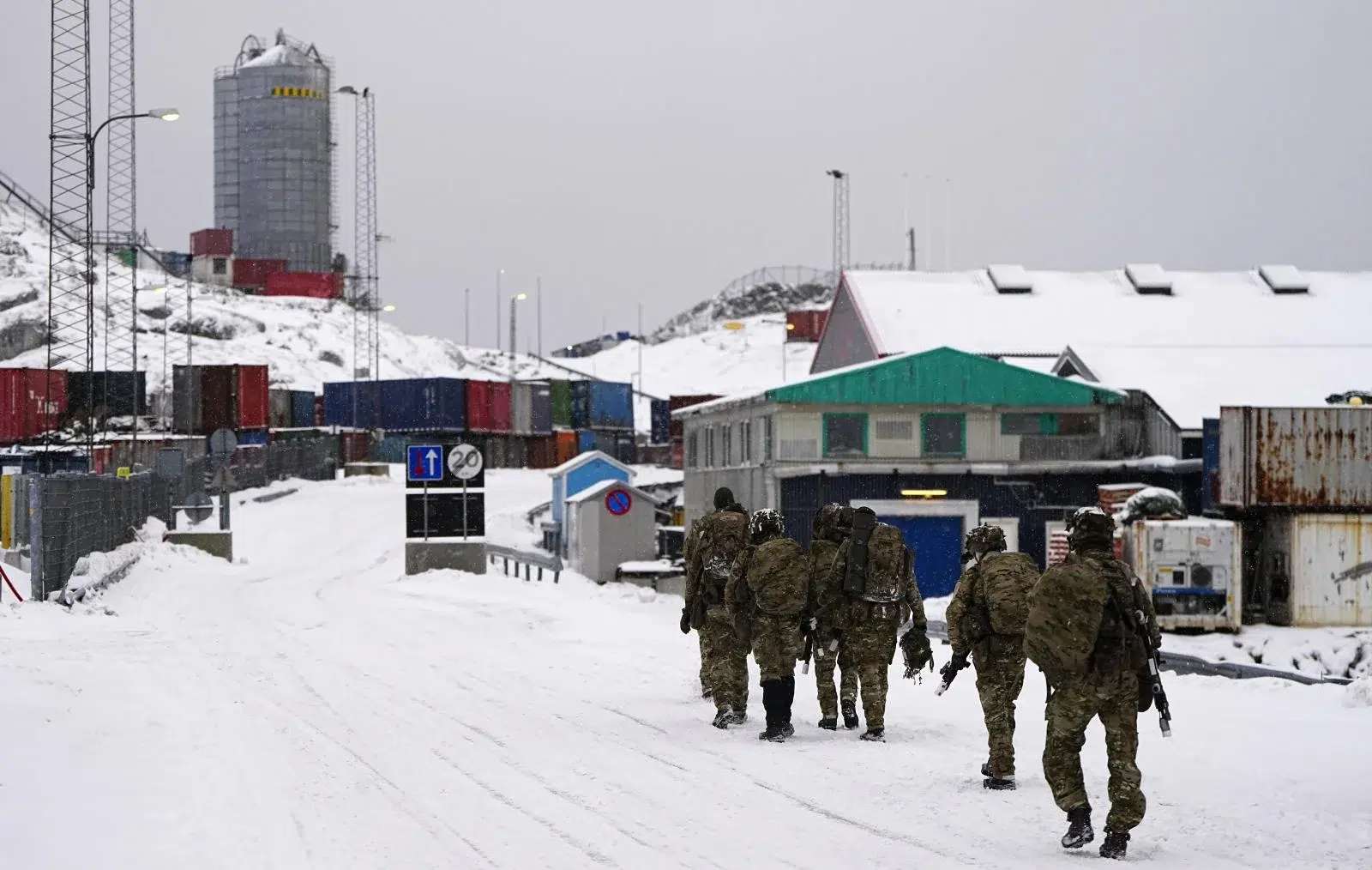
Greenland is home to about 57,000 people, mostly Inuit, who have lived in relative isolation. The arrival of thousands of military personnel, workers, or tourists could have a devastating impact on their culture and way of life:
- The Inuit rely on hunting and fishing for subsistence.
- External pressure alters their relationship with nature.
- Infrastructure and industrial activity threaten their cultural identity.
Risks of mining
Spanish adventurer and expert José Trejo, a regular resident in Greenland, warned about the dangers of mining exploitation:
- Deposits of gold, precious stones, graphite, rare earths, and uranium have been identified.
- The arrival of foreign companies can generate a huge cultural clash in small communities.
- Example: a locality of 1,700 inhabitants facing the installation of a camp with 1,000 miners, which would radically transform the social and cultural dynamics.
An ecosystem at risk
Trejo emphasized that the Arctic is an extremely fragile ecosystem:
- Any human intervention —industrial, military, economic, or transport— has a huge impact.
- The “race for Arctic control” implies more military presence, infrastructure, and resource exploitation, with direct consequences on the environment.
The Greenland crisis reflects the tension between geopolitics, security, and environmental conservation. While the United States proposes its annexation as a defense strategy, scientists and local communities warn about the irreversible risks to the Arctic ecosystem and Inuit culture.
The future of Greenland thus becomes a symbol of the global dispute over the Arctic and its natural resources.



