



This week, the Justice rejected the agreement signed in 2009 between the municipality of Magdalena and the oil company Shell for the oil spill that occurred in 1999.
The resolution annulled the reduction from u$s 90 million to u$s 9.5 million as environmental compensation.
The Federal Civil and Commercial Court 3 notified the decision after the January judicial recess.
The ruling established that environmental rights are of public order and cannot be negotiated through private agreements.
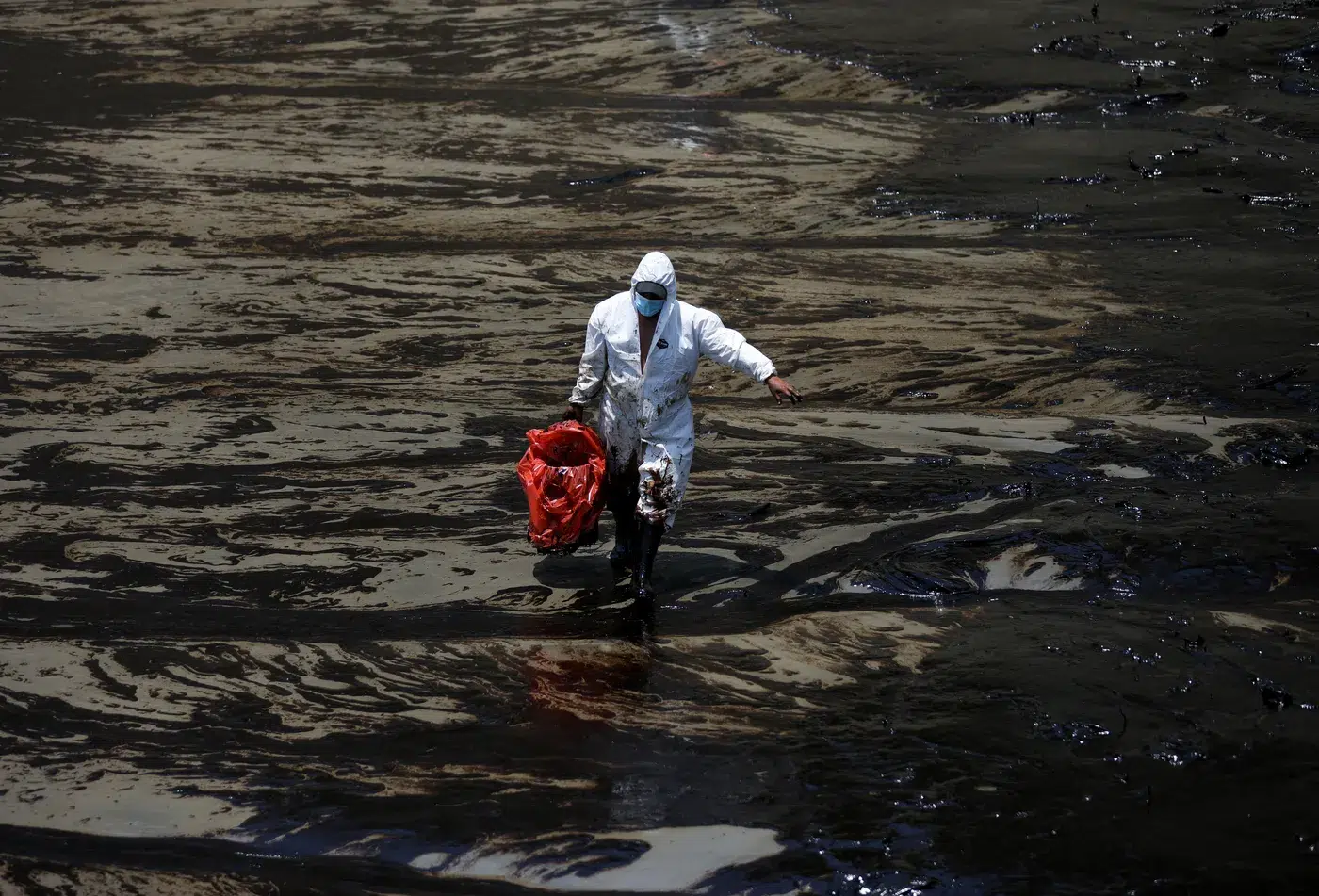
How the Shell oil spill in Magdalena happened more than 25 years ago
On January 15, 1999, the ship Sea Paraná collided with the tanker Estrella Pampeana of Shell.
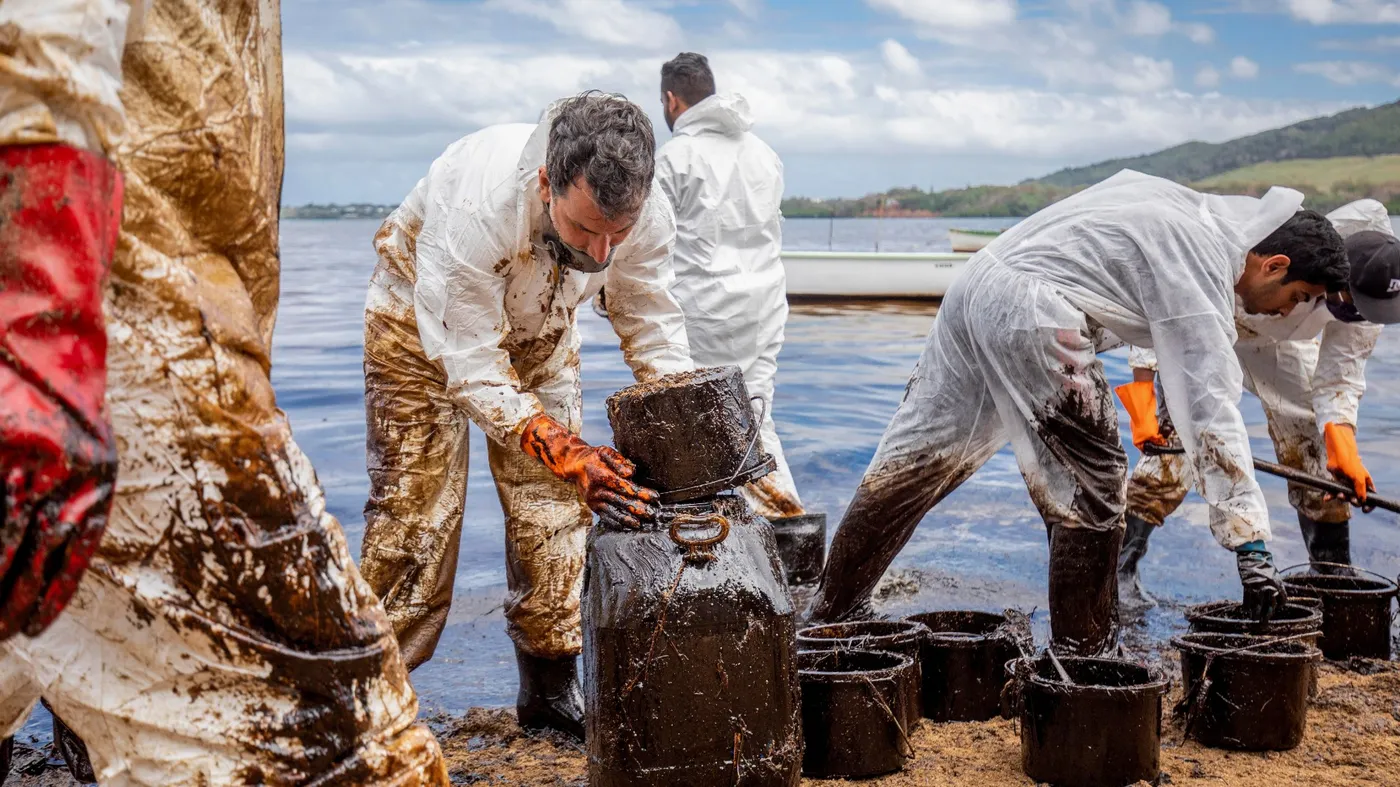
The collision caused the spill of more than 5 million liters of hydrocarbons on the Buenos Aires coasts of Magdalena.
This incident generated an unprecedented environmental damage in Argentina. The consequences affected the ecosystem, the local population, and the regional economy in a prolonged manner.
The controversial 2009 agreement that favored Shell for the oil spill in Magdalena
Ten years after the spill, the then-mayor Fernando Carballo promoted a non-binding plebiscite.
The proposal was to accept u$s 9.5 million from Shell in exchange for withdrawing the lawsuits.
The agreement had the support of the radicalism and the YES won with 77% of the votes. At that time, Juan José Aranguren was CEO of Shell Argentina, who later became Minister of Energy.
The municipality of Magdalena had initially sued the oil company in federal court number 1 of La
Plata. In 2002, Judge Julio César Miralles ruled that Shell should carry out recomposition tasks for u$s 35 million.
The grounds for the judicial rejection
In the case of the oil spill, Judge Juan Rafael Stinco considered that the amount agreed between Magdalena and Shell is “arbitrary and lacks technical support”.
According to the ruling, “the agreement is limited to establishing a global sum of money, unrelated to any objective, technical, or economic evaluation“.
The magistrate noted the absence of parameters justifying the reduction. No environmental studies, cost estimates for recomposition, or objective criteria were identified in the agreement.
The resolution emphasized that the will of the parties cannot be placed above article 41 of the National Constitution.
Nor can it prevail over the General Environmental Law, regardless of popular support.
The court also validated the submissions of Leonardo Fediuk against the Shell oil spill in Magdalena, admitted as a third party of interest.
Fediuk highlighted the lack of an Environmental Impact Study and the absence of updated expert reports.
An outdated agreement
The judge considered the agreement “objectively outdated”, both for the time elapsed and for the ancillary obligations assumed.
Due to the spill, Shell had offered non-binding advice on tourism, industrial, and waste management projects for the municipality of Magdalena.
However, for the court, these clauses do not fit the current environmental context and regulations.
The studies incorporated until 2009 showed that the damage persisted and continued to produce negative effects on the ecosystem.
The case for the Shell spill in Magdalena now resumes its original course. The oil company will have to face the full costs of environmental repair for the 1999 disaster.


