



Climate change threatens to significantly worsen the incidence of malaria in Africa, one of the continent’s deadliest diseases.
Research published in Nature warns that by 2050, there could be more than 500,000 additional deaths. This will be mainly due to the intensification of extreme weather events such as floods and cyclones.
The study and its findings
The research was led by Tasmin Symons, associate professor at The Kids Research Institute Australia and Curtin University. The work reveals that natural disasters destroy infrastructure and hinder access to health services, creating favorable conditions for the spread of the parasite in vulnerable communities.
- More than 100 million new cases are projected in the next 25 years.
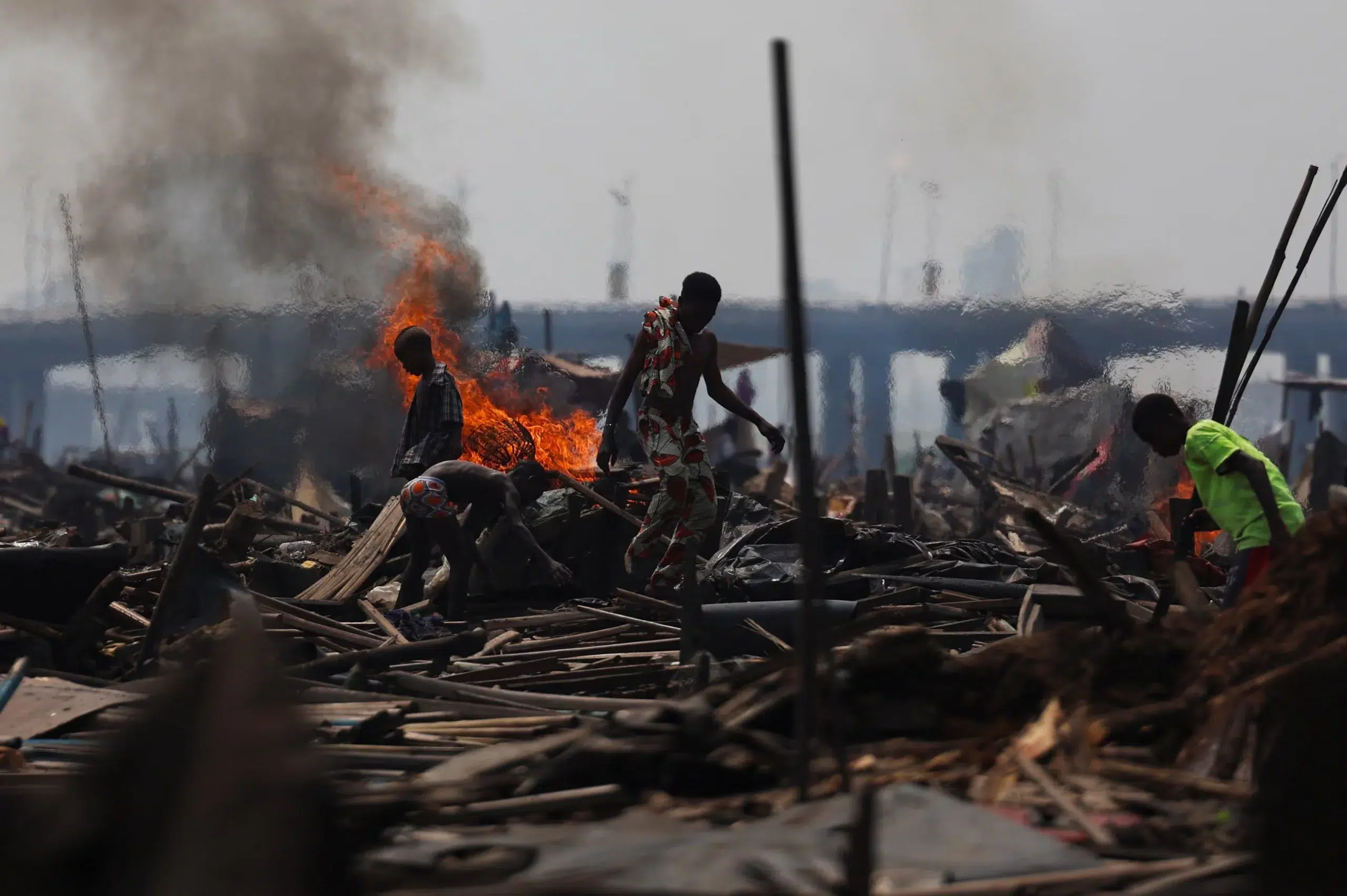
- The 93% increase in deaths and 79% in cases originate from the destruction of homes and the disruption of health services.
- Material damage affects both physical protection (loss of mosquito nets) and medical response capacity.
Children at risk
The most severe impact falls on the African child population, which faces greater risks due to the interruption of prevention and treatment campaigns. When homes are exposed and access to health interventions is lost, malaria reappears strongly in previously controlled regions.
Symons emphasizes: “The greatest climate threat to malaria control in Africa does not come from small ecological changes, but from the persistent disruption of essential services caused by extreme weather”.
Setbacks in achieved progress
The report acknowledges the achievements made in the region thanks to improved housing, mosquito control, and access to effective treatments. However, it warns that extreme events can reverse these advances, rendering key prevention tools useless.
Unlike previous studies focused on ecological factors, this research highlights that infrastructure destruction and slow restoration of health services are the main triggers for the resurgence of the disease.
An integral analysis
The study is based on 25 years of climatic, epidemiological, and socioeconomic data, offering a comprehensive view of the factors that enhance the spread of malaria in the African context. The authors insist that:
- Strengthening emergency preparedness.
- Ensuring the rapid recovery of the health system.
- Integrating climate resilience into national strategies.
These measures will be essential to face future challenges and achieve global goals of malaria reduction and elimination.
Voices from the scientific community
- Jonathan Carapetis, executive director of The Kids Research Institute Australia, stated that the work provides concrete evidence to guide health policies adapted to emerging climate risks.
- Carlo Marra, vice-chancellor of the Faculty of Health Sciences at Curtin University, considered that the study constitutes a new benchmark for global health risk modeling associated with climate.
The increase in malaria in Africa in the context of climate change demands international cooperation and bold measures to protect children and the most vulnerable families.
Only through coordinated strategies and robust health policies will it be possible to limit the impact of extreme events and save thousands of lives in the coming decades.



