



This March 3rd, the commemoration of World Wildlife Day focuses on the importance of medicinal and aromatic plants, which are fundamental pieces for human health, the preservation of cultural heritage, and the maintenance of ecological balance.
Plants as pillars of life and health
The United Nations General Assembly designated this date in commemoration of the signing of the Convention on International Trade in Endangered Species (CITES) in 1973.
In the 2026 edition, the focus is on the value of plant species that sustain the economy and well-being of millions of people.
According to data from the World Health Organization (WHO), between 70% and 95% of inhabitants in developing countries resort to traditional medicine for their primary care.
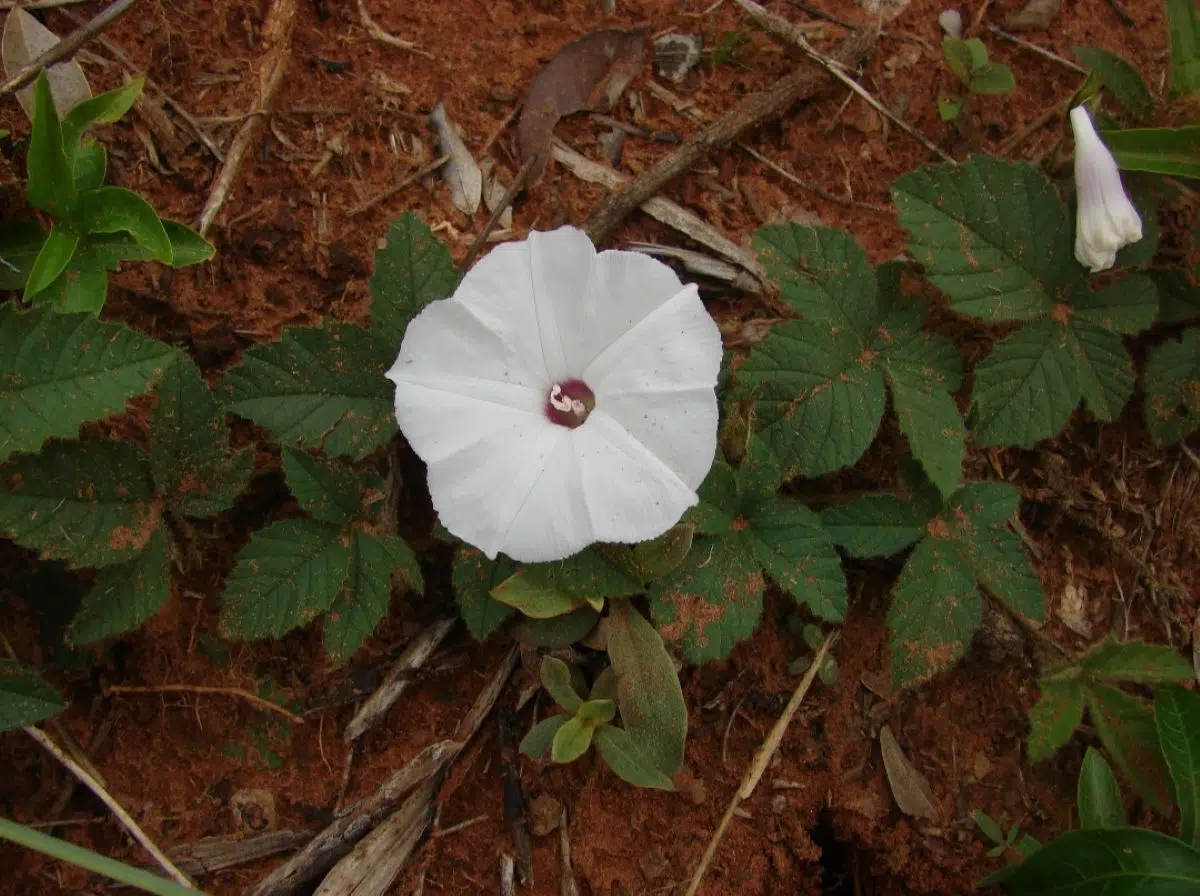
Globally, between 50,000 and 70,000 species are collected for medicinal purposes. However, a large number of these plants face critical threats due to overexploitation, illegal trade, and habitat destruction.
In fact, more than 20% of the species used in this field are on the IUCN Red List at risk of extinction.
Conservation actions in Misiones
In the province of Misiones, specifically in the southern area, the Temaikèn Foundation leads initiatives for the rescue of endemic plants.
Jerónimo Torresín, a representative of the Forest and Grassland Program, warns that there is an information gap regarding flora compared to fauna, which hinders its categorization and effective protection.
Many of these species, unique to the region, possess aromatic and medicinal properties that still require further research and safeguarding.

The Paraná Delta: biodiversity under threat
The Paraná Delta region is another critical point. Germán Hansen, from the homonymous program of the Temaikèn Foundation, highlights that native vegetation offers vital environmental services, such as climate regulation, the provision of fibers, wood, and soil fixation.
This ecosystem, which harbors more than 700 plant species, suffers pressures from urbanization, fires, pollution, and the invasion of exotic species (such as yellow iris or black acacia).
An alarming case is the disappearance of the “White Forests“, riparian forests that have been decimated by productive activities. In response, strategies for restoration, environmental education, and the creation of biological corridors are being promoted alongside local communities.
Towards sustainable use
The Global Biodiversity Framework emphasizes the urgency of ensuring a sustainable use of these resources.
Given that one in five people worldwide depends on wild plants, fungi, and algae for their livelihood, awareness and the strengthening of regulations are essential steps to ensure that these valuable resources survive in their natural state and continue to benefit humanity.


