



On the upcoming March 9, within the framework of the ordinary sessions of the Parliament of Mercosur (Parlasur), a project promoted by the Santa Cruz parliamentarian Franco Metaza and developed by the Cordoba NGO Pumakawa will be discussed. The proposal seeks to declare Mercosur as a “zone free of wildlife trafficking and hunting trophies”, and it already has the support of more than 70 South American NGOs grouped in the Wildlife Observatory.
Project Objectives
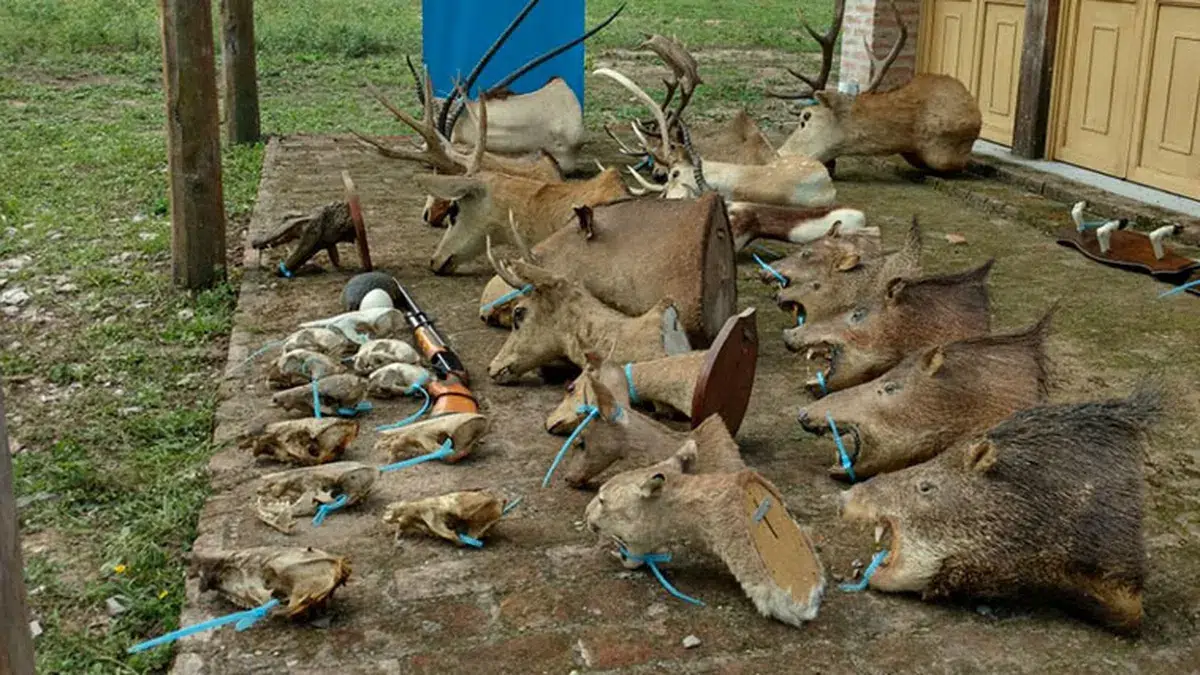
The initiative aims for the countries of the bloc to implement public policies to prohibit the commercialization of wildlife and hunting trophies (heads, horns, feathers, skins). Although Parlasur’s laws are not binding, they function as recommendations that can be adopted by member states.
This project is part of a global trend towards biodiversity protection and the limitation of practices that generate ecological, social, and ethical impacts.
Background in Argentina
In 2022, the Resolution 133/2022 of the Ministry of Environment and Sustainable Development prohibited the import, export, and interjurisdictional transit of hunting trophies of native species.
It also closed the possibility of enabling breeding farms for hunting purposes, seeking to curb the commercial exploitation of native fauna.
Impacts of Trophy Hunting
Trophy hunting is questioned for:
- Environmental impact: it eliminates adult reproductive specimens, weakening the genetic structure of populations.
- Social and ethical impact: the majority of the Latin American population rejects this practice. In Argentina, 90% of society is against it, with even higher percentages for threatened species.
- Cultural impact: campaigns and exhibitions like Still Nature. Hunting Trophies highlight the violence and domination behind each displayed trophy.
Biodiversity Crisis in South America
Between 1974 and 2024, wildlife populations in Latin America and the Caribbean decreased by 95%, the highest figure globally.
- The wildlife trafficking is the fourth most lucrative illicit business in the world, with profits of up to 20 billion dollars annually.
- Most affected species: songbirds, reptiles, primates, and large mammals like the jaguar.
- Extreme mortality: 90% of animals die during capture and transport.
- Key countries: Ecuador and Peru stand out in cases of poaching and illegal export.
- International destinations: Spain and the Netherlands are among the main importers of illegal birds from South America.
Iconic Cases
- Jaguar (yaguareté): illegal networks in Argentina and Bolivia charged up to 50,000 dollars per specimen.
- Argentina as an importer: ranks 23rd worldwide in hunting trophy imports. Between 2020 and 2025, 456 trophies entered, mainly of African elephant, lion, and zebra.
- Local regulations: while provinces like Neuquén authorized puma hunting, airlines like Aerolíneas Argentinas banned transporting trophies on their flights.
Legal Framework and Sanctions
In Argentina, the Law 22.421 on Wildlife Conservation establishes penalties of up to 3 years in prison for organized trafficking. The Parlasur proposal seeks to extend this type of measure regionally, reinforcing cooperation between countries.
Declaring Mercosur as a zone free of wildlife and hunting trophy trafficking would be a historic step in defending South American biodiversity. Beyond its non-binding nature, the project reflects a social and ethical mandate: to end practices that represent cruelty, inequality, and ecological degradation.



