



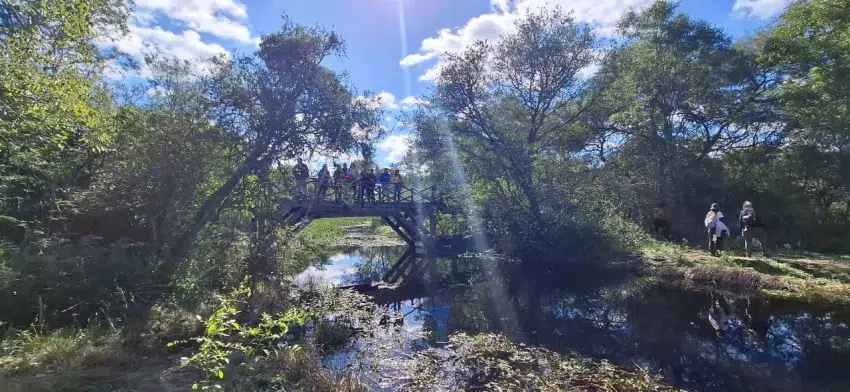
A new environmental conflict has arisen in the city of Resistencia following complaints from organizations and residents about interventions carried out with heavy machinery within Parque Caraguatá. The site is considered one of the last remnants of native forest and urban wetland in the capital of Chaco.
Alerts began circulating in early March when images of tractors, backhoes, and trucks working in different sectors of the natural area were disseminated. The photographs generated concern among environmentalists who have been monitoring the park’s situation for years.
According to surveys conducted by activists and residents, the tasks may have involved the removal of native vegetation characteristic of the Chaco forest. Among the affected species are aromitos, caraguatás, young quebrachos, and shrubs in areas where the ecosystem was undergoing natural regeneration.
In light of this scenario, environmental organizations expressed their concern about the potential impact on the wetland and the area’s biodiversity. The situation has become particularly sensitive because the area is considered key for conservation within the city. The conflict is unfolding in a context where various sectors are promoting the declaration of the site as a Urban Nature Reserve.
Claims from organizations and requests for information
In response to the observed interventions in the park, environmental organizations such as Misión Eco and Jóvenes por el Ambiente requested explanations from municipal authorities. The goal is to understand in detail what work is being done and under what administrative framework.
The organizations submitted a formal note addressed to Mayor Roy Nikisch and various areas of the municipal Executive. In the document, they requested information about the planning of the works and the possible existence of environmental impact studies.
Additionally, environmentalists emphasized the need to ensure transparency and citizen participation in decisions related to urban natural spaces. They believe that any intervention in the area should be carefully evaluated.
The request also aims to determine whether the tasks have legal backing and if technical evaluations have been conducted on their impact on the wetland ecosystem. Up to the time the public complaints were made, no detailed official information had been released about the scope of the works.
The ecological importance of Parque Caraguatá
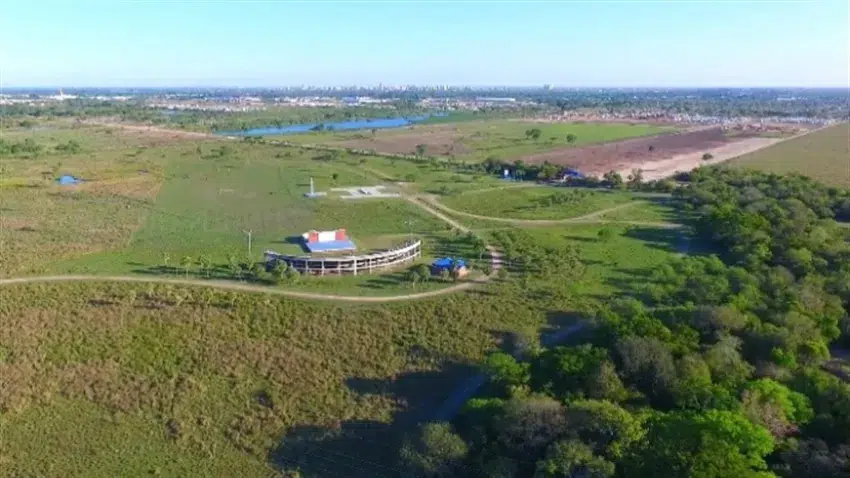
Parque Caraguatá covers approximately 70 hectares and represents one of the last natural spaces within the urban area of Resistencia. Its ecological value lies in the presence of native forest and wetland areas that preserve a remarkable biological diversity.
The site is home to plant species characteristic of the Chaco forest, including quebrachos, algarrobos, timbó, guayacán, and caraguatás. This vegetation forms a fundamental habitat for numerous fauna species.
Citizen science records indicate that more than 85 bird species have been identified in the park, including some migratory ones. Additionally, the area hosts reptiles, small mammals, and pollinating insects.
The wetlands present in the park fulfill essential environmental functions. These include rainwater regulation, biodiversity conservation, and the creation of microclimates within the city. For these reasons, specialists consider Parque Caraguatá a key ecological refuge within the urban environment.
The Municipality’s response and the future of the natural area
Following the controversy generated by the complaints, municipal authorities denied that deforestation is occurring within the park. They explained that the work focuses on cleaning paths and access points that have been abandoned for several years.
The Public Works department indicated that the intervention aims to restore existing vehicular paths and improve deteriorated recreational areas. Mentioned spaces include paths, picnic areas, and areas used by visitors.
Authorities maintain that the machinery entered solely to clear weeds that had grown over previously opened paths. They also stated that no native trees were cut down.
However, the debate remains open between environmental organizations and municipal authorities. While more official information is awaited, the future of Parque Caraguatá is tied to an administrative process seeking to declare it a Urban Nature Reserve.
In this context, various sectors demand that any intervention on the site consider conservation criteria and community participation to protect one of the last natural spaces in Resistencia.



