



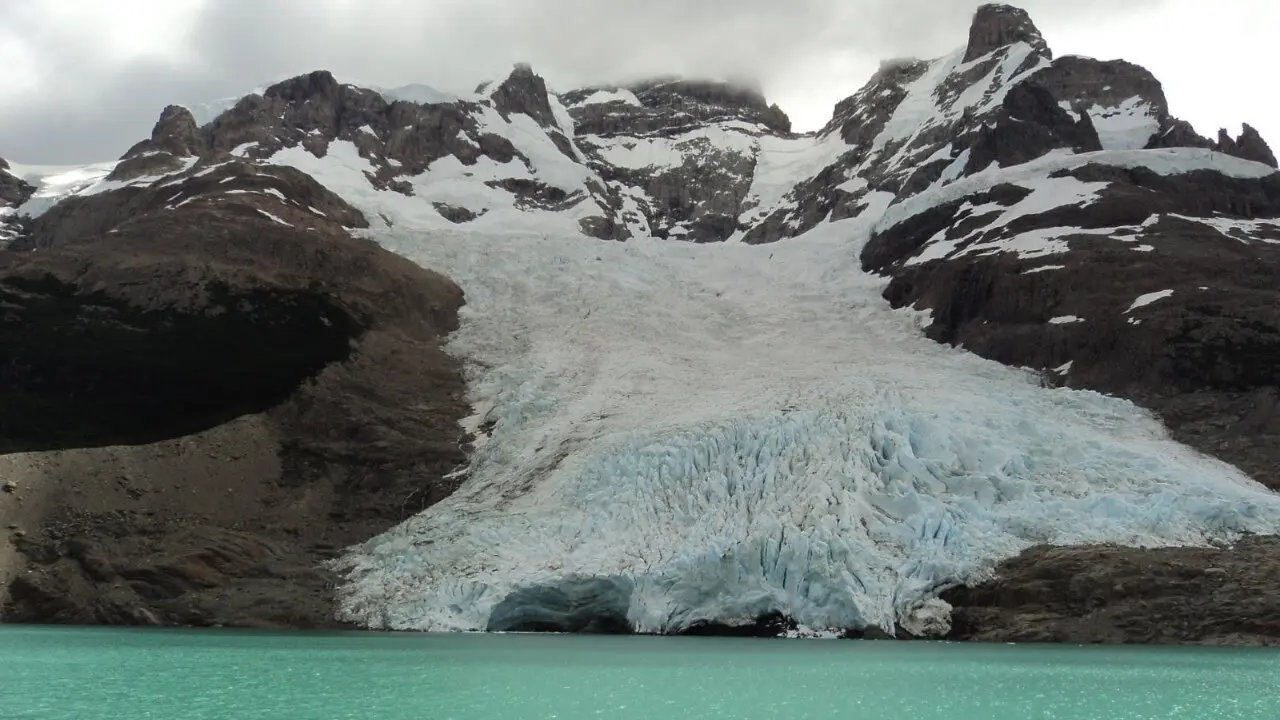
The periglacial environment is composed of frozen soils —known as permafrost or cryogenic terrains— located near glaciers. These soils have the ability to retain large amounts of water in the form of ice, releasing it slowly during periods of higher temperature.
This process turns the periglacial environment into a “natural sponge”, which regulates the flow of rivers and streams, mitigating droughts and preventing sudden changes in water supply. Its role is strategic for community supply, agricultural production, and ecosystem preservation.
The Glacier Law in Argentina
The 2010 Glacier Law included the periglacial environment within its protection system, establishing restrictions on activities such as mining and hydrocarbon exploitation. The goal was to prevent damage that would alter the water storage and regulation capacity.
However, in 2026 a reform was approved that modified the scope of the regulation:
- Limited scope: protection is restricted to glaciers and periglacial environments with specific “hydric function.”
- Provincial competence: provinces gain greater autonomy to define which areas to protect and which activities to allow.
- Role of IANIGLA: the Argentine Institute of Snow Research, Glaciology, and Environmental Sciences shifts from a central scientific role to a merely registrational one.
- Authorized activities: mining and hydrocarbon projects are allowed in periglacial zones if they pass environmental impact assessments.
- Precautionary principle: it is maintained, but adjusted to the hydric function of each area.
Risks and warnings
Specialists and environmental organizations warn that relaxing protection could compromise strategic water reserves in a context of global water crisis. The loss of periglacial environments would directly affect:
- The drinking water supply in arid regions.
- Agricultural production, dependent on thawing.
- Biodiversity, which needs stable flows to survive.
Moreover, the expansion of extractive activities in sensitive areas could generate irreversible impacts on mountain ecosystems and increase the vulnerability of communities that depend on these resources.
Development vs. conservation
The current debate revolves around the balance between economic development and environmental conservation. While productive sectors argue that the reform favors investments in the Andean zone, environmental organizations emphasize that water is a strategic resource that must be prioritized over any extractive activity.
The periglacial environment is vital for the water regulation of Argentina, and its protection is a central issue in environmental policy. The reform of the Glacier Law opens a new scenario for discussion on how to manage strategic natural resources in a country where water is increasingly valuable, and its preservation is essential to ensure the future of communities and ecosystems.


