



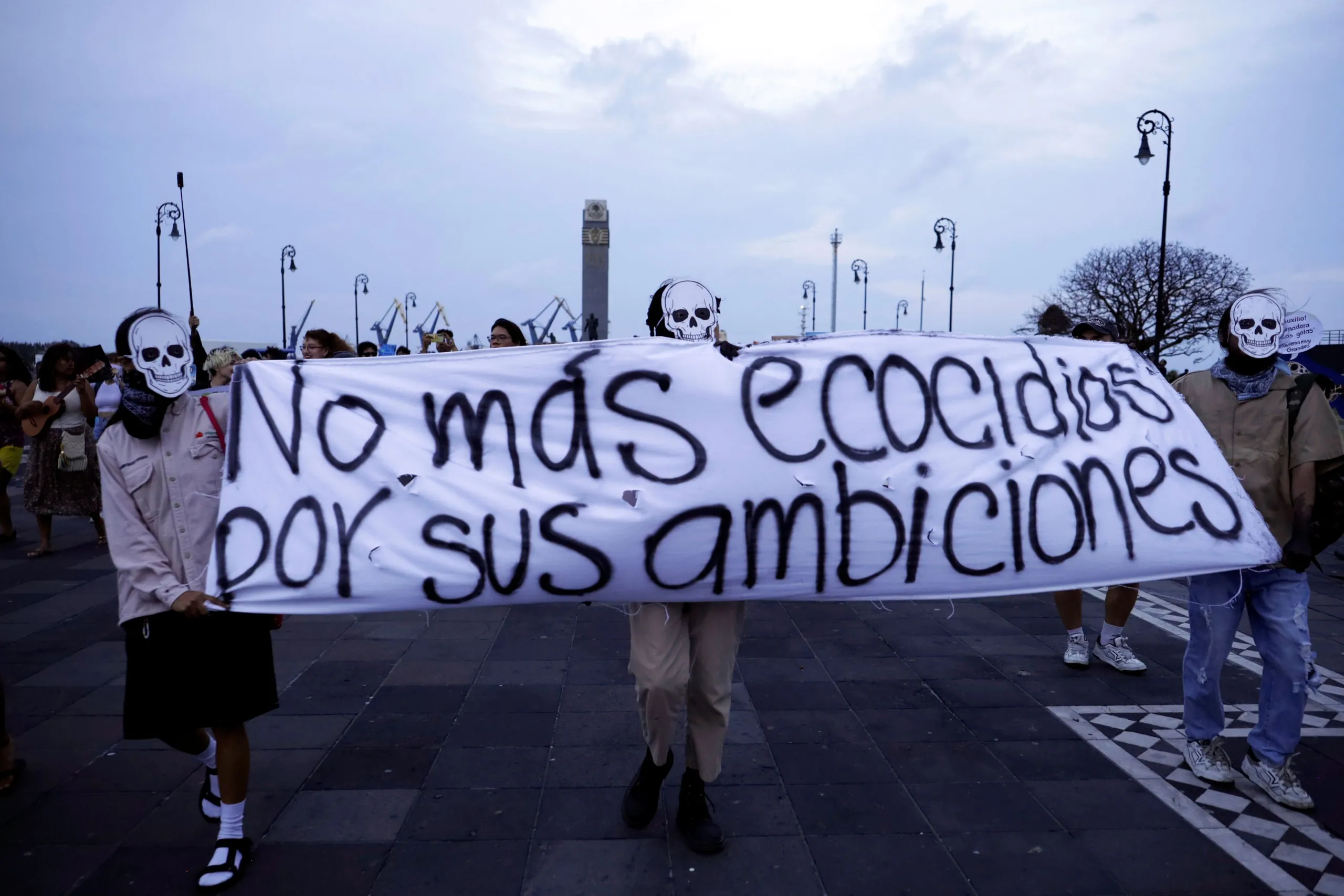
The Mexican Center for Environmental Law (Cemda) presented its 12th report on the situation of environmental human rights defenders in Mexico (2025), revealing a 43% increase in aggression events compared to the previous year.
The document warns that the outlook for those who defend the environment and territories remains one of high insecurity and risk, with 199 murders in a decade and impunity levels reaching between 90 and 95%.
Main data from the report
- 2025: 10 murders of defenders were recorded (2 women and 8 men) in Jalisco (3), Oaxaca (2), Guerrero (2), Morelos (1), Michoacán (1), and Puebla (1).
- Aggressions: 135 documented events (+43%) and 314 specific aggressions (+33%).
- Identified aggressors:
- State at various levels: 76 events (56.2%).
- Organized crime: 13 events (9.6%).
- Private companies: 12 events (8.8%).
- Most frequent types of aggression: stigmatization, intimidation, and defamation (53.8%).
- Criminalization: 107 victims (33.1% of the total).
- Disappearances: 3 documented cases in 2025, with insufficient information on those responsible.
Impact on women defenders
The report highlights a 61.8% increase in aggressions against women defenders compared to 2024. The most common attacks were intimidation, harassment, defamation, threats, gender violence, criminalization, and stigmatization.
Most critical states
Jalisco appears as one of the most alarming territories, with:
- 8 aggression events.
- 17 specific aggressions.
- 3 of the 10 recorded murders.
- 1 of the 3 documented disappearances.
Importance of environmental defenders
Environmental defenders play an essential role in the protection of ecosystems, water, and air, guaranteeing fundamental human rights and acting on the front line against the climate crisis. Their work is key to:
- Protecting health and the environment against pollution and resource destruction.
- Defending human rights such as life, food, and a healthy environment.
- Mitigating climate change, protecting forests and ecosystems that absorb carbon.
- Promoting environmental justice and citizen participation, pushing for agreements like the Escazú Agreement.
- Safeguarding territories and communities, resisting extractive or polluting projects.
Risk context
Despite their importance, environmental defenders in Latin America are among the groups most affected by violence and criminalization. The situation in Mexico demands urgent public protection policies, effective investigation mechanisms, and security guarantees for those who risk their lives defending nature and human rights.
The Cemda report reflects a critical reality: violence against environmental defenders in Mexico not only increases but remains in a context of structural impunity. Protecting these individuals is essential to ensure social and ecological justice and to face the challenges of the climate crisis and environmental degradation.



