



A control operation carried out in the island area of Zárate brought the issue of poaching in the Buenos Aires wetlands back to the forefront. The actions took place on a private property belonging to Arauco S.A., located on the coast of the Arroyo De las Botijas, where authorities detected a clandestine camp used for illegal activities related to the capture of wildlife.
During the procedure, officers from the Island Security Police identified five men who were at the site. Among them was an advisor from the Municipality of Zárate, a fact that gave the case a strong public repercussion.
However, beyond the names involved, the episode once again raised alarms about the pressure on the ecosystems of the Paraná Delta, one of the regions with the greatest biological richness in Argentina.

Wild species affected by illegal activity
Inspections carried out at the camp led to the discovery of several wildlife specimens already butchered. Among them were found a axis deer, seven capybaras, and two armadillos, species that are part of the region’s natural environments.
Additionally, authorities noted that the area where the operation took place is subject to permanent patrols due to the presence of the marsh deer, an emblematic species of the Argentine wetlands whose conservation is a priority.
For this reason, any poaching activity generates concern among specialists and environmental organizations, as it disrupts animal populations and affects the ecological balance of these highly sensitive ecosystems.
A camp equipped for hunting in wetlands
Along with the animals found, officers seized various items allegedly used for illegal activities. Among them were three rifles with more than 150 cartridges, in addition to various means of transportation.
Furthermore, three boats were seized, a Honda Wave motorcycle of 110 cubic centimeters, and a Honda ATV of 50 cubic centimeters. These resources allow access to remote areas of the islands, increasing the pressure on areas that are difficult to control.
Subsequently, the Functional Instruction Unit No. 1 of Zárate intervened in the case. Three of those involved were charged with illegal possession of firearms for conditional civilian use, while all five were linked to actions related to wildlife protection legislation.
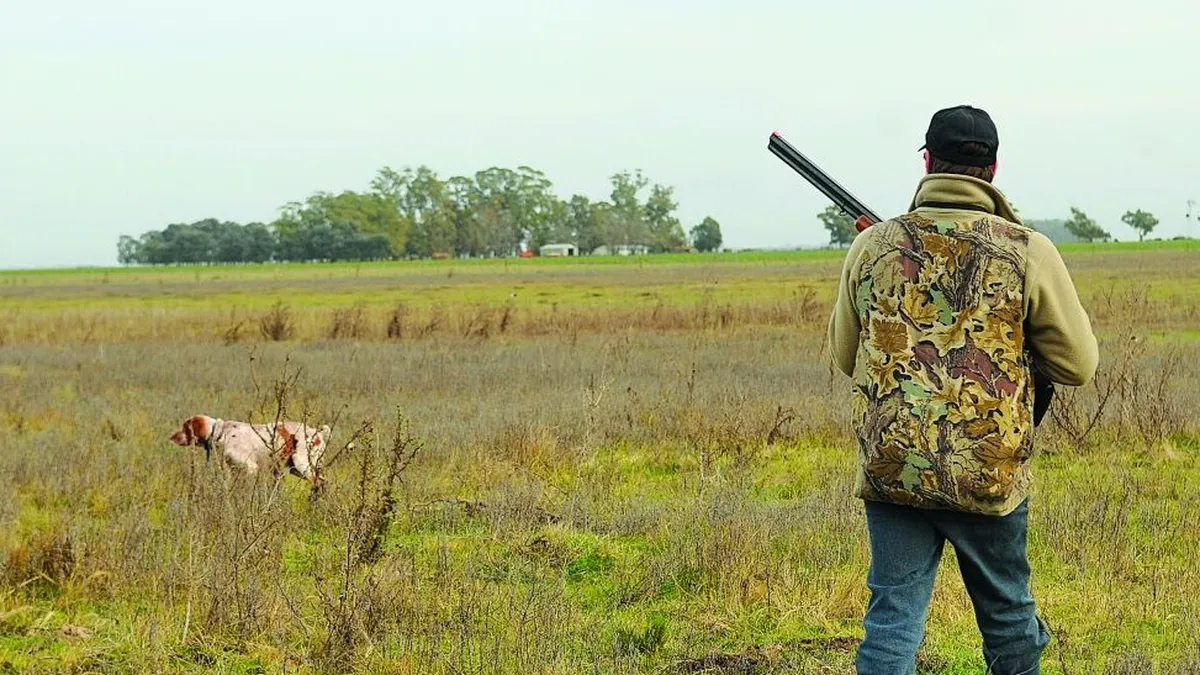
What penalties does Argentine legislation contemplate for poaching?
Poaching is primarily regulated by the National Law 22.421 on Wildlife Conservation. This regulation establishes penalties for those who capture, transport, market, or harm specimens of protected wildlife without the corresponding authorization.
Depending on the severity of the act, violations can result in economic fines, confiscation of weapons, vehicles, and boats used in the illegal activity. Additionally, when there are aggravating factors or related crimes, complementary criminal norms may intervene.
On the other hand, hunting in protected areas, capturing endangered species, or using prohibited methods often result in more severe penalties. Judicial investigations subsequently determine the responsibilities and applicable measures in each case.
The importance of protecting the Delta wetlands
The Delta wetlands perform fundamental environmental functions for the entire region. They act as natural flood regulators, store carbon, and host a huge diversity of plant and animal species.
Furthermore, these environments serve as essential refuges for mammals, birds, reptiles, and amphibians that depend on the integrity of the ecosystem to survive. The decline of their populations can trigger ecological imbalances that are difficult to reverse.
Therefore, control operations and conservation actions are key tools to combat trafficking and illegal wildlife hunting. Effective protection of these spaces not only preserves current biodiversity but also ensures the environmental health of future generations.



