



Santa Cruz concentrates the largest network of forest protected areas in the country, and a study published in the journal Land showed that they play a key role in the conservation of native forests.
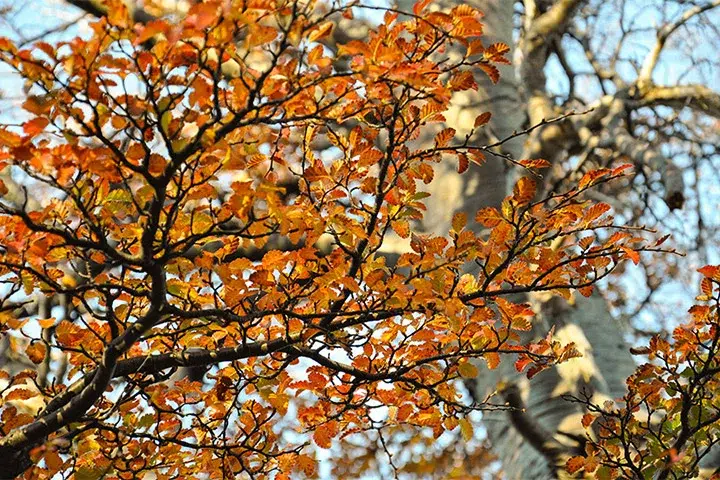
The analysis compared 103 sectors of ñire forests (Nothofagus antarctica) and concluded that those located within national parks and provincial reserves present better health indicators than those located in private fields.
The work was carried out by specialists from CONICET, INTA, the National University of La Plata and the National University of Austral Patagonia (UNPA), among other institutions.
Areas included in the study
The researchers analyzed forests present in:
- National parks: Los Glaciares, Patagonia, and Perito Moreno.
- Provincial reserves: Lago del Desierto, Península Magallanes, Punta Gruesa, San Lorenzo, and Tucu-Tucu.
Santa Cruz has 52 protected areas, the largest number in the country in forest landscapes. However, only 16% of the ñire forest area is effectively under protection.
Main results
The forests within protected areas showed:
- Taller trees and greater canopy coverage.
- Greater wood volume and structural vigor.
- Less compacted soils, with more moisture and better levels of organic carbon.
- Less livestock pressure, which favors the natural regeneration of the undergrowth.
In contrast, private fields showed greater soil compaction and productive pressure, affecting the forest’s regeneration capacity.
Environmental functions of the ñire
The ñire occupies around 1,700 km² in Santa Cruz and fulfills essential functions:
- Soil protection against erosion.
- Carbon storage, key in the face of climate change.
- Water cycle regulation.
- Habitat for numerous fauna species.
- Resources for livestock and forest use.
Limitations and warnings
The researchers warn that the existence of a park or reserve does not eliminate all risks. Evidence of fires, forest use, and livestock presence was detected even within protected areas, in many cases originating before their creation.
Additionally, they emphasize that numerous fires originate outside the boundaries of protected areas, demonstrating the importance of adequately managing neighboring fields.
Conclusion of the study
The main conclusion is that protected areas work and play an essential role in conserving ñire forests in Santa Cruz. However, protection cannot be limited solely to the interior of parks and reserves:
- Sustained actions are required to exclude livestock.
- Regulate forest use.
- Improve fire management as part of sustainable landscape planning.
Santa Cruz reaffirms its leadership in forest conservation with the largest network of protected areas in the country.
The study provides solid scientific evidence that parks and reserves are effective, but also reminds that the management of the surrounding territory is fundamental to ensure the resilience of forests against climate change and productive pressure.



