



China will take a new step to reduce the environmental impact of e-commerce with the entry into force, from July 1, of a mandatory national regulation aimed at limiting excess packaging in parcels. The measure reaches one of the largest logistics sectors in the world, which managed nearly 199 billion shipments during 2025.
The provision, called “Requirements to limit excessive packaging in parcels”, establishes specific criteria to optimize the use of boxes, protective materials, and adhesive tapes, with the aim of reducing waste generation without compromising the safety of transported products.
In addition to reducing the consumption of supplies, the initiative aims to promote more efficient practices within an industry that continues to grow driven by digital commerce and the constant increase in online shopping.
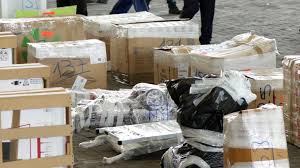
New limits for box sizes and packaging materials
The regulation sets three main axes of regulation: the appropriate size of packaging in relation to the product, the maximum number of protective layers, and the rational use of adhesive tape for sealing packages.
In this regard, products considered non-fragile can be packaged with a maximum of two protective layers. In contrast, those that require greater care during transport can have three or four layers, depending on their characteristics.
Furthermore, the regulation limits the amount of tape used according to the dimensions of each box and establishes a maximum width of 45 millimeters for this material, with the purpose of reducing unnecessary plastic consumption.
Logistics begins to incorporate more sustainable practices
Before the entry into force of the regulation, various companies in the sector and logistics centers had already begun to implement pilot programs focused on reducing the use of disposable materials.
Among the main strategies adopted are the reuse of boxes, the use of narrower adhesive tapes, and the design of packaging adjusted to the actual dimensions of each product, avoiding empty spaces that require additional fillers.
These experiences demonstrated that it is possible to optimize the logistics process, reduce operational costs, and reduce the amount of waste generated by an activity that continues to expand year after year.
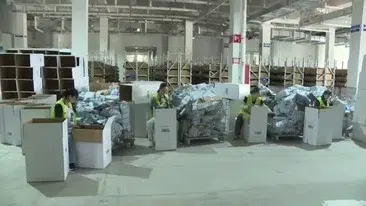
Reducing packaging also benefits the environment
Limiting the excessive use of cardboard, plastics, tapes, and protective materials represents a high-impact environmental strategy, especially in countries where e-commerce moves millions of packages daily. Each optimized package implies lower consumption of raw materials, energy, and water during manufacturing processes.
Moreover, the reduction in volume of packages allows for better use of space in transport vehicles, reducing the number of trips needed and, consequently, the carbon dioxide emissions associated with the distribution of goods.
On the other hand, the reduced use of materials facilitates recycling tasks and decreases the amount of waste ending up in landfills or incinerators. By promoting more efficient and reusable packaging, this type of policy drives circular economy models that favor both the conservation of natural resources and a more sustainable management of urban waste.



