



The proliferation of toxic algae in reservoirs and dams represents a serious problem for Morocco, a country marked by water scarcity.
These blooms can generate toxins, reduce the oxygen in the water, and affect other aquatic organisms, compromising the freshwater supply for human consumption and irrigation.
An integrated technological solution
To tackle this challenge, Morocco has developed a system that combines:
- Artificial Intelligence (AI) to anticipate the appearance of algae.
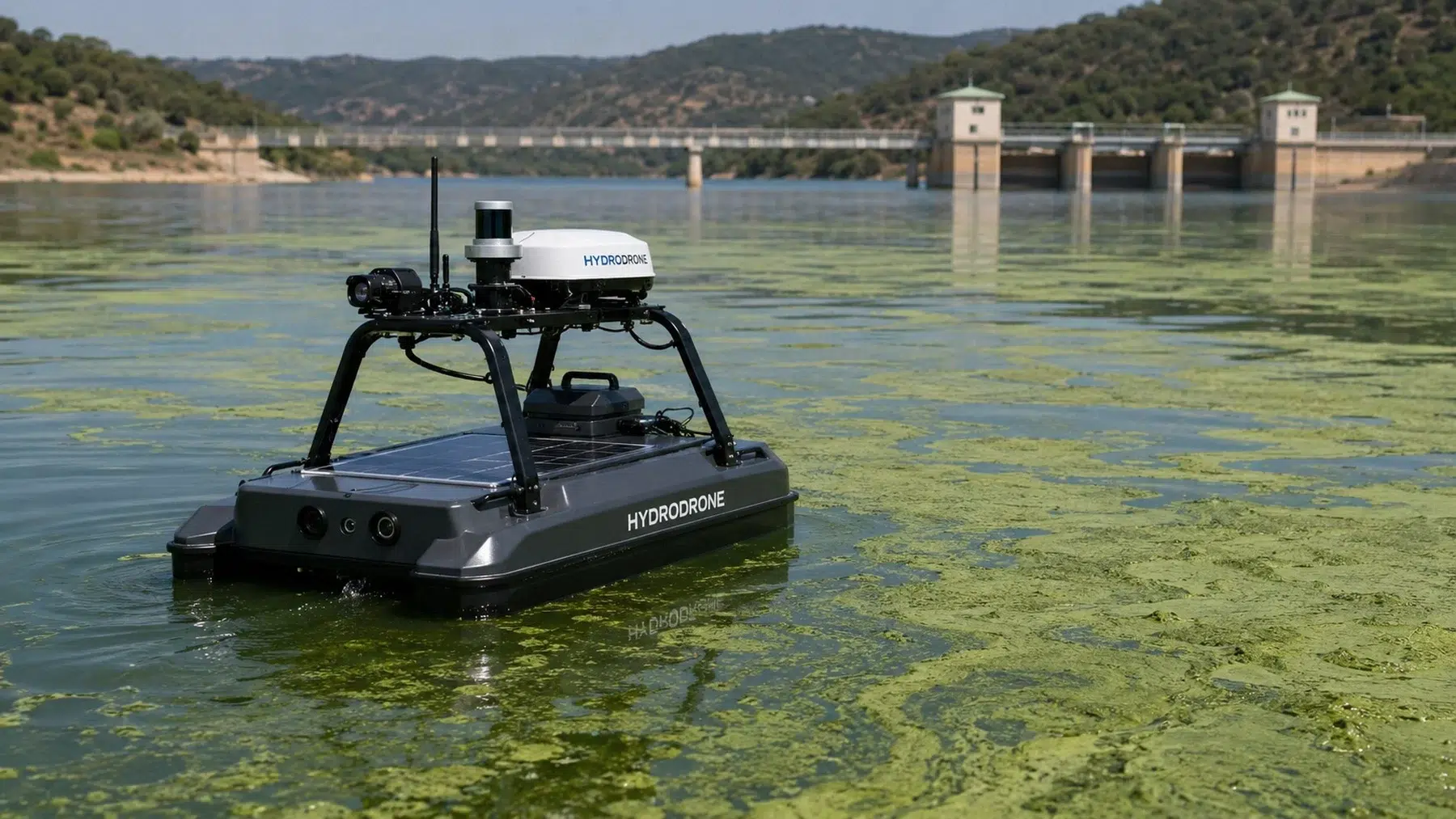
- Aquatic drones capable of moving across the surface of the reservoirs.
- Ecological sensors that collect real-time data.
- Spectrometry, which measures the interaction between light and matter to detect microalgae signals.
- Satellite images and prediction models to identify risk areas.
- Remote alerts that allow action before the problem becomes visible.
How the system works
The aquatic drone designed for this project not only collects data but also interprets it quickly thanks to AI, generating early alerts. The goal is to test the prototype with real water samples throughout the four seasons of the year, as algae behave differently depending on environmental conditions.
Spectrometry is used to look for signals associated with the presence and evolution of microalgae, while predictive models based on satellite images allow anticipation of where toxic blooms are most likely to appear.
Strategic importance
In Morocco, dams are essential for storing and distributing freshwater. A bloom detected late can compromise an essential resource in a country where water scarcity is a structural challenge. Therefore, the use of AI and drones represents a paradigm shift in water resource management.
The African Scientific Journal emphasizes the need to improve the monitoring of Moroccan reservoirs with technological tools capable of acting before water quality is damaged.
Layers of information for quick decisions
The system combines multiple data sources:
- Sensors in the water.
- Optical analysis.
- Laboratory data.
- Satellite images.
This integration offers a more comprehensive reading than simple visual inspection and allows authorities to act quickly to reduce contamination risks and avoid supply interruptions.
Morocco’s commitment to artificial intelligence and drones to combat toxic algae in its reservoirs reflects how technology can become an ally in environmental management and water security.
Detecting blooms in time not only protects the water quality but also ensures a vital resource for millions of people in a context of increasing climate pressure.



