



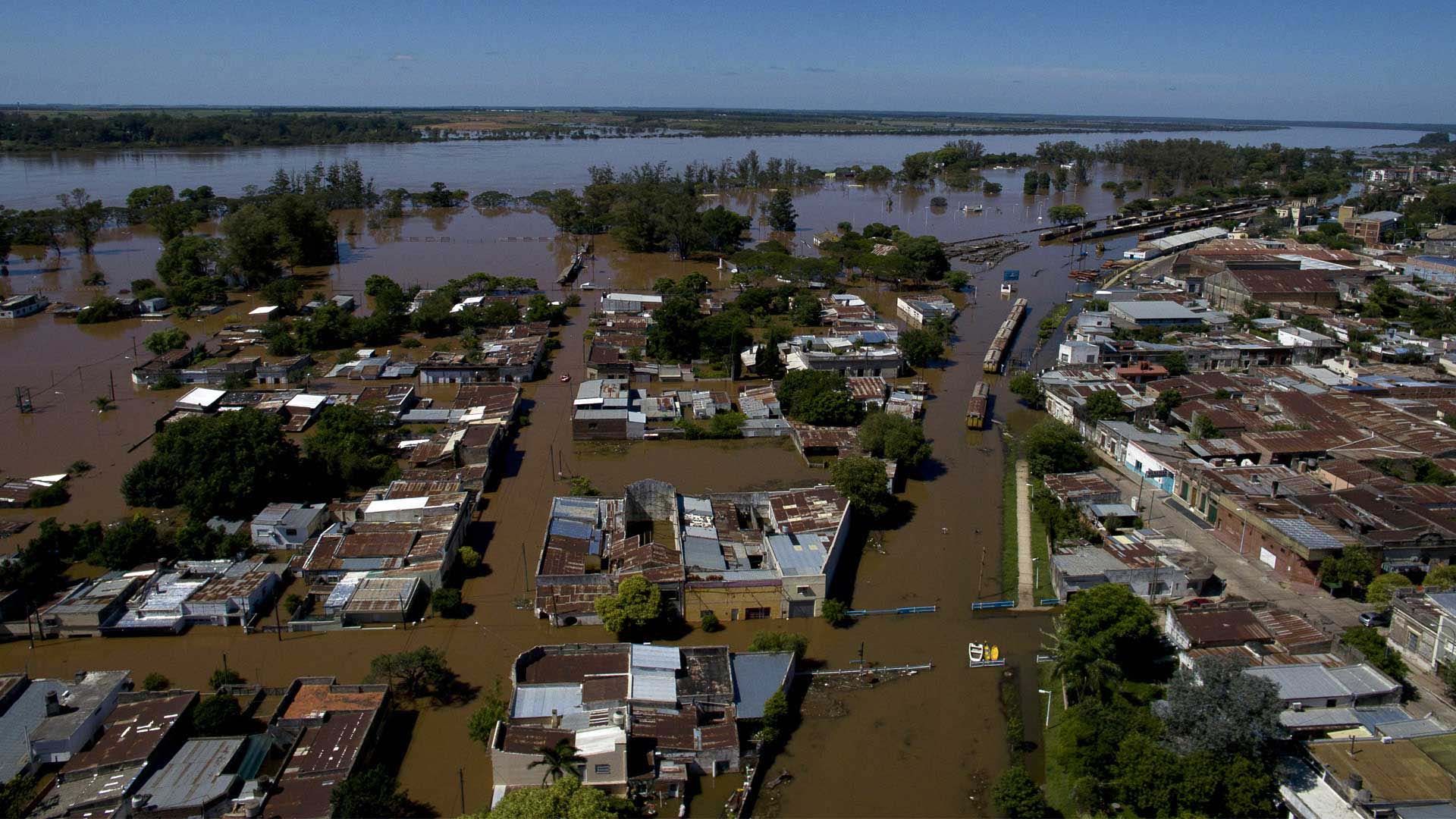
Climate change has led to more frequent and extreme natural phenomena. Therefore, it is essential to create solutions to mitigate the consequences. In this context, rain gardens emerge.
One of the main causes of water pollution, in addition to floods, is derived from the materials carried by rainwater. In this regard, various alternatives of sustainable urban drainage systems, such as rain gardens, also known as Rain gardens, are being developed. These solutions not only address flooding but also water pollution.
These structures are composed of easily growing plants that remain throughout the four seasons. They are created by generating a small depression in the soil where rainwater normally flows, aiming to slow down the flow and allow the water to run more slowly. They can also function as a kind of container to store rainwater.
### How do rain gardens mitigate floods?
Although their size and shape may vary, they are always located at the end of a small slope to help direct the water to a specific point. The soil is specially treated to filter the water deeply, and plants are placed on top to also function as a biofilter. This ensures that the water reaching the drainage system has significantly fewer contaminants that could affect the receiving watercourse: a river, lake, or stream.
In this sense, the garden acts as a kind of native forest. It collects, absorbs, and filters rainwater from rooftops, driveways, patios, and other permeable areas, as explained by an article from the Environmental Protection Agency (EPA) of the United States.
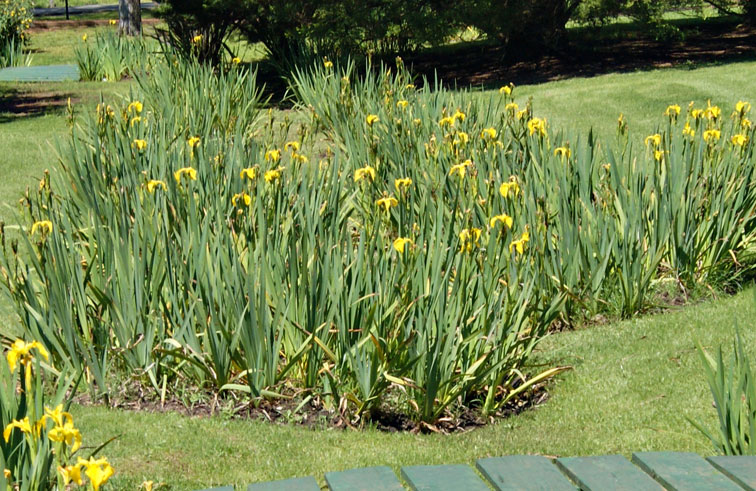
Thus, plants and soil naturally eliminate the contaminants in the water, which over time filter and decompose.
### Recommendations to reduce the impacts of extreme rainfall
In the face of extreme climate changes and their potential consequences in urban and city areas, it is important to consider some factors when building:
– Prioritize permeable soils over paved ones
– Ensure that the soil is not compacted, allowing water to penetrate
– Collect and reuse rainwater
– Enrich soils with natural organic matter
– Reduce the discharge of gray water into drains (e.g., using water reuse systems for sanitary discharges, biodigesters)
**[Subscribe to our YouTube channel!](https://www.youtube.com/channel/UCrYLIWysAyv4m833zGAQ02g)**


