



Different data and statistics from the last decades allow us to assert that the **oceans** bear the brunt of **climate change**.
“It has been a long time since the **ocean bears the burden of human impact** on global warming,” states the **UN Climate Action Plan**.
This is because the seas are **carbon sinks and act as regulators** of temperature. However, this comes at a cost with an excessive release of greenhouse gases and the **resulting temperature increase**.
Oceans bear the brunt of climate change: the consequences
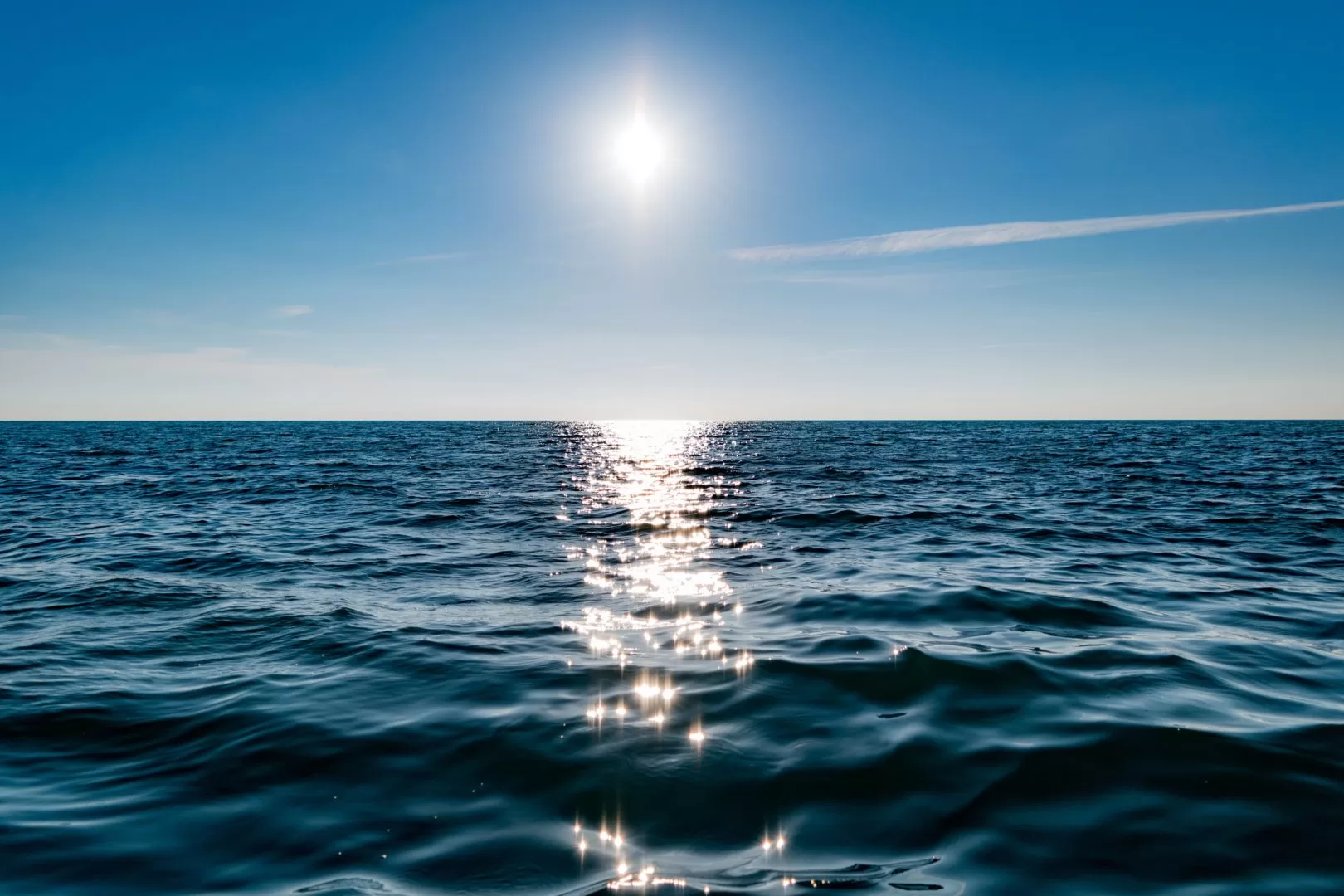 The consequences in the oceans.
Thanks to their role as the planet’s largest carbon sink, the oceans absorb the **excess heat and energy released** due to increasing gas emissions trapped in Earth’s system.
Currently, they have absorbed **around 90% of the generated heat**. However, as an excess of heat and energy warms the waters, the temperature change leads to **unprecedented progressive effects**.
These include **polar ice melting**, **sea level rise**, marine heatwaves, and **ocean acidification**. Here are the strongest consequences.
Sea level rise
Sea level rise has accelerated in recent decades due to **increased melting in polar regions** of the planet.
The latest data from the World Meteorological Organization shows that the global average sea level reached a new elevation record in 2021, with an average increase of **4.5 millimeters per year during the period from 2013 to 2021**.
Along with an intensification of **tropical cyclones**, it has exacerbated extreme terrestrial events such as deadly tides caused by storms and coastal hazards such as flooding, erosion, and landslides.
Additionally, the **Intergovernmental Panel on Climate Change (IPCC)** informed the United Nations that some regions, such as the Western Tropical Pacific, the Southwest Pacific, the North Pacific, the Southwest Indian Ocean, and the South Atlantic, are facing a substantially faster rise in sea level.
Loss of marine biodiversity
The rise in temperatures also poses a greater risk for the **irreversible loss of coastal and marine ecosystems**.
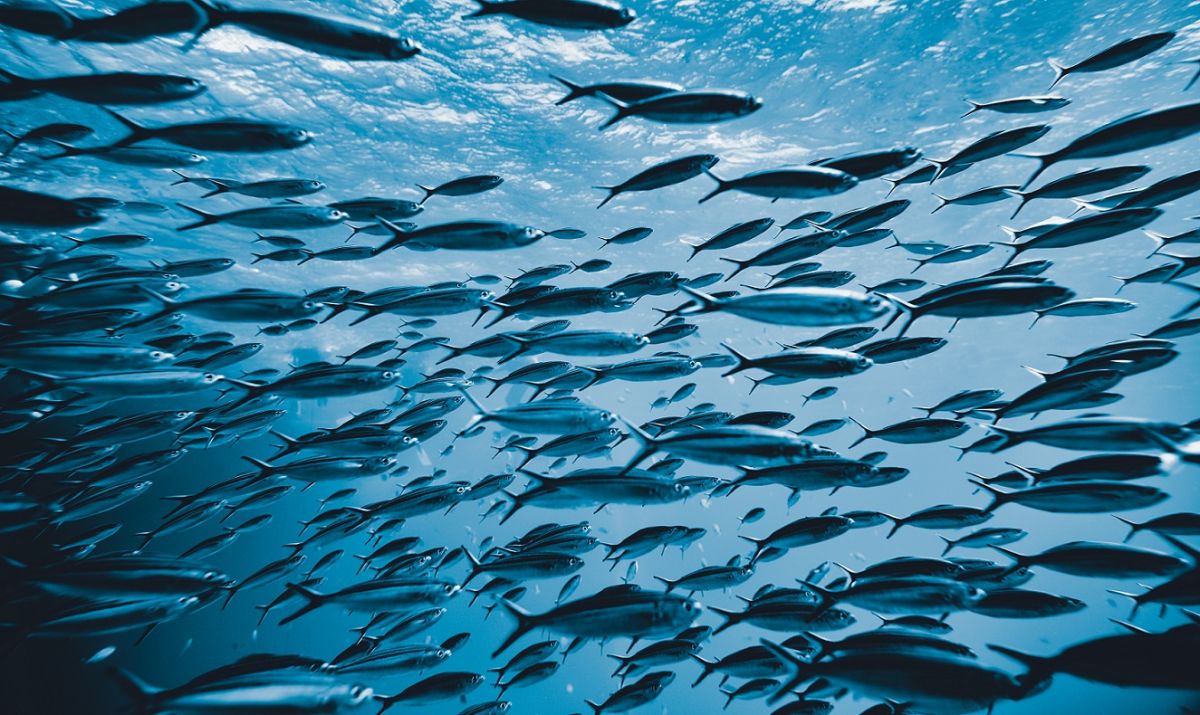 Record ocean temperatures.
Currently, an expansion of these changes is observed, including **damage to coral reefs** and mangroves that help conserve ocean life.
This, along with the migration of some species to higher latitudes and altitudes where the **water may be colder**.
The latest calculations from the **United Nations Educational, Scientific and Cultural Organization (UNESCO)** warn that more than half of the world’s marine species could be on the brink of extinction by 2100.
What could happen
With the current **temperature increase of 1.1 °C**, it is estimated that around **60% of the world’s marine ecosystems** have already started to degrade or are not being sustainably utilized.
A warming of 1.5 °C threatens to destroy between **70% and 90%** of coral reefs. An increase of 2 °C would mean almost 100% losses, in other words, **a point of no return**.
Do you already know our YouTube channel? Subscribe!


