



Panama has become the second country in the world with the highest proportion of protected marine territory, with more than 54% of its oceanic surface shielded. This achievement places the canal nation only behind Palau in the global ranking and well above the international goal of 30% by 2030, established in the conservation agenda of the UN.
With two seas bordering its coasts, Panama has consolidated a management model that integrates conservation, economic development, and international leadership.
Recent Initiatives and Achievements
The Ministry of Environment highlighted that marine protection has allowed:
- Reducing pollution in rivers, coasts, and seas.
- Consolidating the management of protected areas through national parks, biological reserves, and wildlife refuges.
- Strengthening the conservation of strategic ecosystems such as sea turtle nesting beaches, mangroves, coral reefs, and seagrasses.
Since 2022, new areas have been added, such as the Saboga Marine Wildlife Refuge and the expansion of the Coiba Ridge, achievements recognized by international organizations like Mission Blue.
International Leadership
Panama has taken a leading role in the global ocean agenda:
- Promotes the High Ambition Coalition for a Silent Ocean.
- Strengthens the Eastern Tropical Pacific Marine Corridor.
- Ratified the High Seas Biodiversity Agreement, demonstrating that conservation and economic development can advance complementarily.
“The ocean is not Panama’s limit; it is its greatest opportunity,” summarized the Ministry of Environment on World Oceans Day.
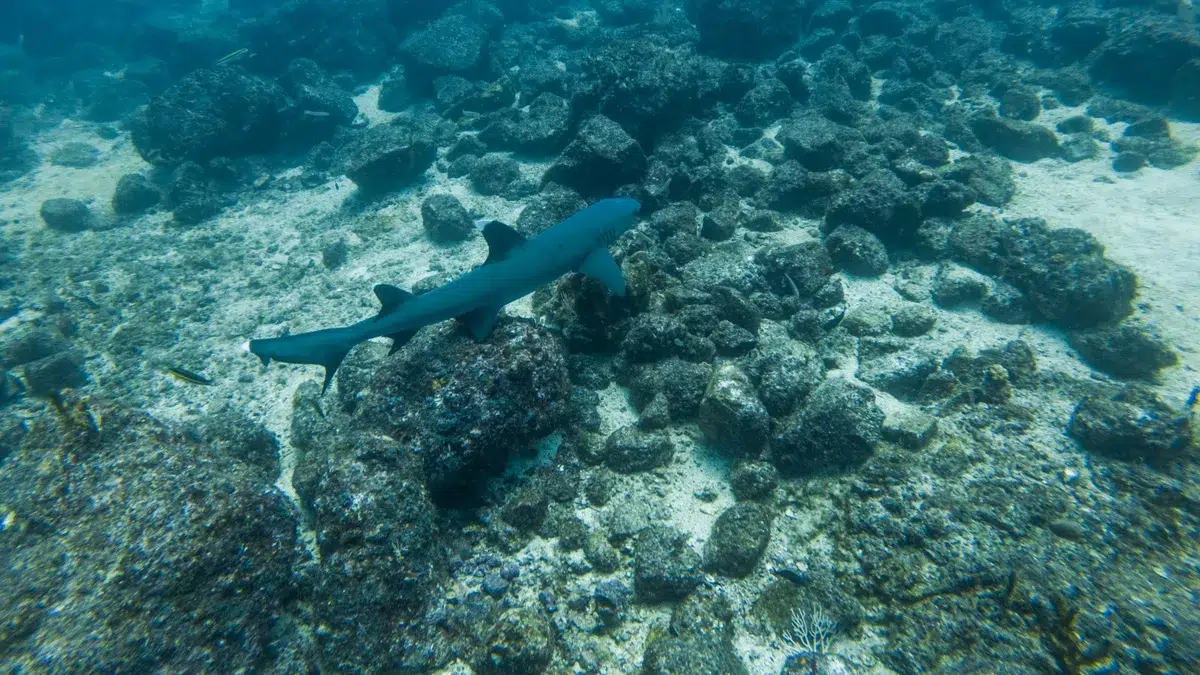
Benefits of Marine Protected Areas (MPAs)
MPAs are vital for the sustainability of the oceans and offer multiple benefits:
- Conservation of biodiversity: they protect critical habitats such as reefs, mangroves, and spawning areas.
- Climate resilience: healthy oceans absorb carbon and regulate the global climate.
- “Spillover” effect in fishing: by restricting extraction in key areas, fish populations increase and migrate to non-protected areas, benefiting long-term fishing.
- Tourism and science: they promote sustainable tourism and provide spaces for research and environmental education.
International Context
Globally, less than 8% of the oceans have real safeguards for biodiversity. The trend points to accelerating the coverage of protected areas, and Panama positions itself as a reference by far exceeding international objectives.
The shielding of more than 54% of Panama’s marine territory reinforces the country’s commitment to biodiversity conservation and climate change mitigation.
Panama consolidates itself as a blue country, where the ocean is seen not as a limit but as a strategic opportunity for the economy, food security, and regional environmental connectivity.


