



A new bottlenose dolphin was born at Brookfield Zoo in Chicago on Saturday morning. The birth was monitored by veterinarians and recorded on video, showing how the calf emerges from its mother’s body and quickly swims to the surface to take its first breath.
The 38-year-old mother was accompanied by another more experienced female who stayed close throughout the process. This collaboration among female dolphins is common in nature and demonstrates an instinctive behavior of birth assistance.
The delivery was successful, and the calf, weighing about 16 kilograms and measuring around 120 centimeters, showed signs of vitality from the very first moment. After birth, it was observed learning to glide alongside its mother to move with less effort in the water.
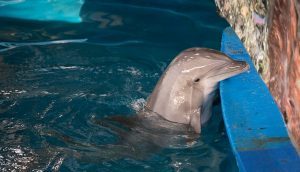
Dolphin: maternal bond, adaptation, and surveillance
The exhibit where the dolphins live will remain closed for the next few weeks. The goal is to allow the mother and her calf to develop a strong bond without stress or external interruptions while they adapt to the environment and the group dynamics.
During this period, caregivers will closely monitor critical aspects such as lactation, swimming, and other milestones in the newborn’s development. The monitoring will be continuous during the first 30 days, a period where many key factors in the animal’s survival are defined.
Later on, a test will be conducted to determine the paternity of the calf. The zoo also plans to announce its name during the summer. For now, the focus is on its adaptation and ensuring a safe environment for its growth.
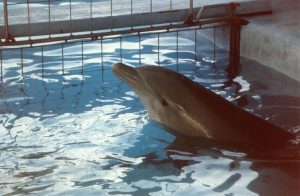
Birth in captivity: pros and cons
The birth of animals in captivity, like that of this bottlenose dolphin, generates mixed opinions. On one hand, it offers undeniable advantages: it allows constant monitoring of the health of the mother and the calf, reduces the risks associated with birth, and facilitates immediate veterinary care in case of complications.
Moreover, these births can contribute to conservation programs, environmental education, and scientific studies. Being born in controlled environments, calves grow protected from predators, pollution, and food scarcity, which can increase their survival rate during critical stages.
However, there are also significant disadvantages. Life in captivity may limit essential natural behaviors, generate chronic stress due to lack of stimulation, and reduce the lifespan in some species. Additionally, many animals born in these environments may never be reintroduced into their natural habitat, perpetuating dependence on captivity as the only form of survival.



