



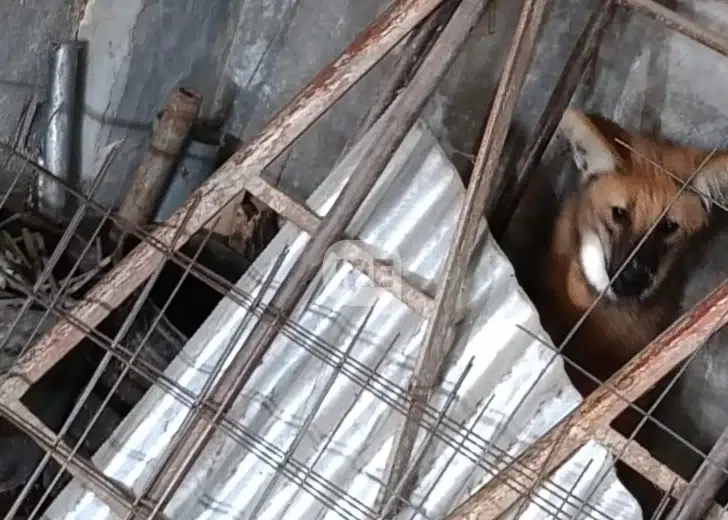
In the city of Coronda in the province of Santa Fe, a worker at a materials warehouse was surprised to find an aguará guazú, the largest fox in South America, and a species at risk of extinction inside the warehouse. After notifying the authorities, the Ecological Police intervened to rescue the animal and return it to its natural environment.
The operation was carried out with special care to ensure both the integrity of the specimen and the safety of the people present. The presence of the aguará guazú in urban areas is a cause for concern and highlights the delicate situation faced by wild species displaced from their habitats.
Experts emphasize the importance of not attempting to manipulate or scare away these animals, as inappropriate actions could lead to harm or risky situations. In case of a similar finding, the recommendation is to immediately contact the environmental authorities.
These kinds of incidents are not isolated. The sighting of wildlife in urban environments is becoming increasingly common, a direct consequence of the destruction of natural habitats and urban expansion.
The conservation status of the aguará guazú
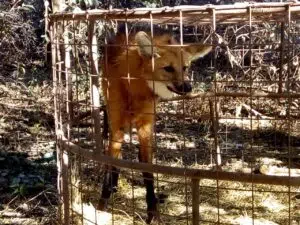
The aguará guazú, known for its reddish fur and long legs, is one of the most emblematic species of the Southern Cone. Its original habitat includes grasslands and wetlands in Argentina, Paraguay, Brazil, and Bolivia, but in recent decades its population has drastically decreased.
The loss of natural habitats due to agricultural expansion, poaching, and roadkill are among the main threats to the species. These pressures have led to the aguará guazú being declared “endangered” in several regions of the country.
Experts agree that the conservation of the aguará guazú depends on both protecting its environment and environmental education. Promoting respectful coexistence between human communities and wildlife is essential to ensure their survival.
Caring for wildlife is protecting the ecosystem’s balance
The Coronda case reinforces the urgent need to preserve natural spaces and avoid habitat fragmentation, vital for wildlife. Urban expansion without planning has led many species, like the aguará guazú, to seek shelter or food in inhabited areas.
The intervention of environmental forces and citizen collaboration allows these animals to be rescued and relocated in suitable conditions. These actions contribute to the protection of biodiversity and ecological balance.
Encounters with wildlife in cities should not be seen solely as anecdotes but as a wake-up call regarding the need to strengthen conservation policies and promote respect for beings that share ecosystems.


