



On September 21st, the Pairi Daiza zoo in Belgium announced the exceptional birth of a Spix’s macaw, a species declared extinct in the wild since 2000.
The event took place at the Center for Conservation of Endangered Bird Species, where twelve specimens are housed as part of an international breeding program in collaboration with the Chico Mendes Institute (ICMBio) in Brazil and the São Paulo Zoo.
A miracle after a hundred failed attempts
The chick was born after the 101st egg, and is hand-fed every two hours.
Since their arrival at the park, the macaws had laid one hundred unfertilized eggs. It was on the 101st attempt that a chick hatched, weighing just 13 grams. Today it exceeds 30 grams, but remains extremely fragile, so every care is vital for its survival.
“This treasure is hand-fed every two hours. Every gesture counts to give it every opportunity to survive,” the zoo communicated on social media.
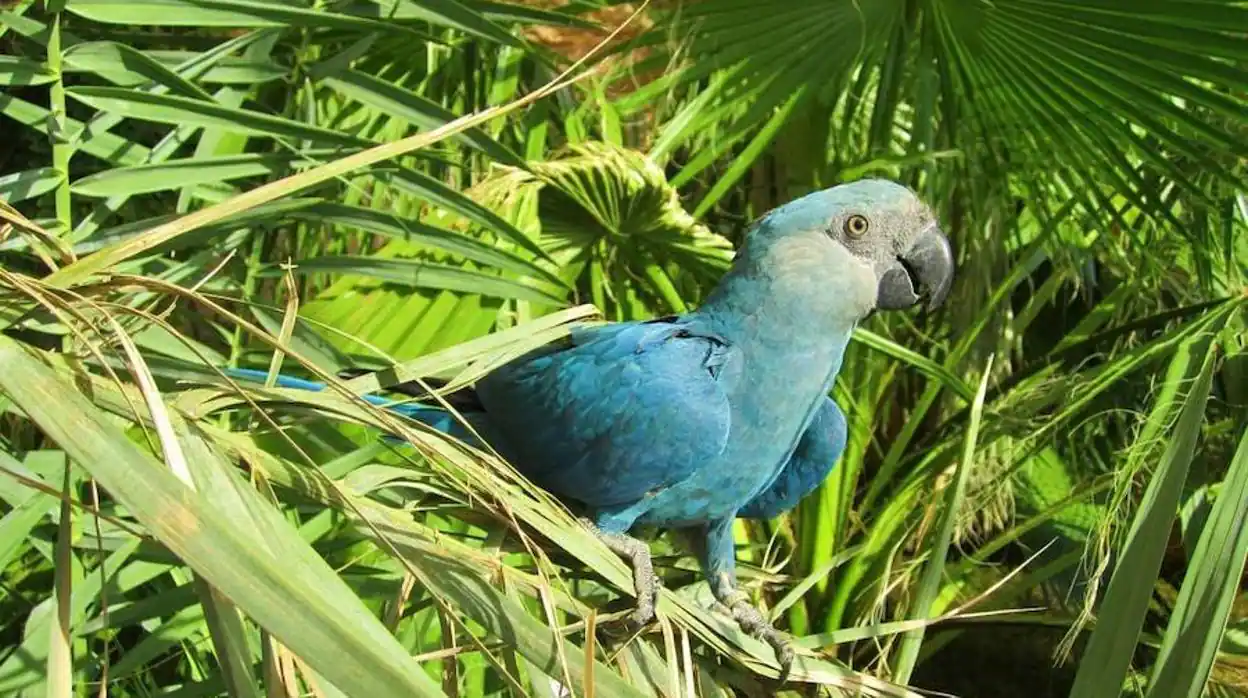 An expected birth, a blue macaw born in a zoo in Belgium
An extinct species in the wild, but alive in collective memory
The Spix’s macaw became famous through the movie “Rio,” and now represents the fight for conservation.
Originally from northeastern Brazil, the Spix’s macaw fell victim to deforestation and illegal bird trafficking, leading to its disappearance from its natural habitat. Its popularity grew thanks to the character Blu in the animated movie Rio, but its actual situation is critical.
The International Union for Conservation of Nature (IUCN) considers it extinct in the wild, although individuals remain in captivity, keeping hope alive for its recovery.
Captive breeding and future reintroduction
International programs are working to repopulate Brazilian forests with individuals born under human care.
Conservation efforts include:
- Breeding in zoos and specialized centers
- Reintroduction plans in restored habitats
- Collaboration between institutions in Brazil and Europe
The new specimen will not be exhibited to the public, but will become a breeding bird within the conservation program. Its birth represents a significant step towards the recovery of the species.
Causes of extinction and current challenges
Habitat loss and illegal trade continue to threaten many tropical species.
- Deforestation: the main cause of macaw disappearance in the jungle
- Wildlife trafficking: its beauty made it a target for the illegal market
- Small captive population: requires extreme care and genetic planning



