



Twenty-seven pink river dolphins, also known as Amazon pink dolphins, were rescued this week in Bolivia after being trapped in residual pools caused by the abrupt drop in a river’s water level. The operation was led by researchers from the Noel Kempff Mercado Museum of Natural History and took place in the wetlands of northern Santa Cruz.
These freshwater mammals are an essential part of Amazonian biodiversity. They inhabit river systems that, when reduced by droughts or human diversions, can leave them isolated with no way to return to their natural habitat. Their vulnerability increases in the face of extreme phenomena linked to climate change.
The decrease in water flow not only leaves them exposed to stress and dehydration, but also to predators or pollution accumulated in puddles. Therefore, rescues have become increasingly frequent and urgent.
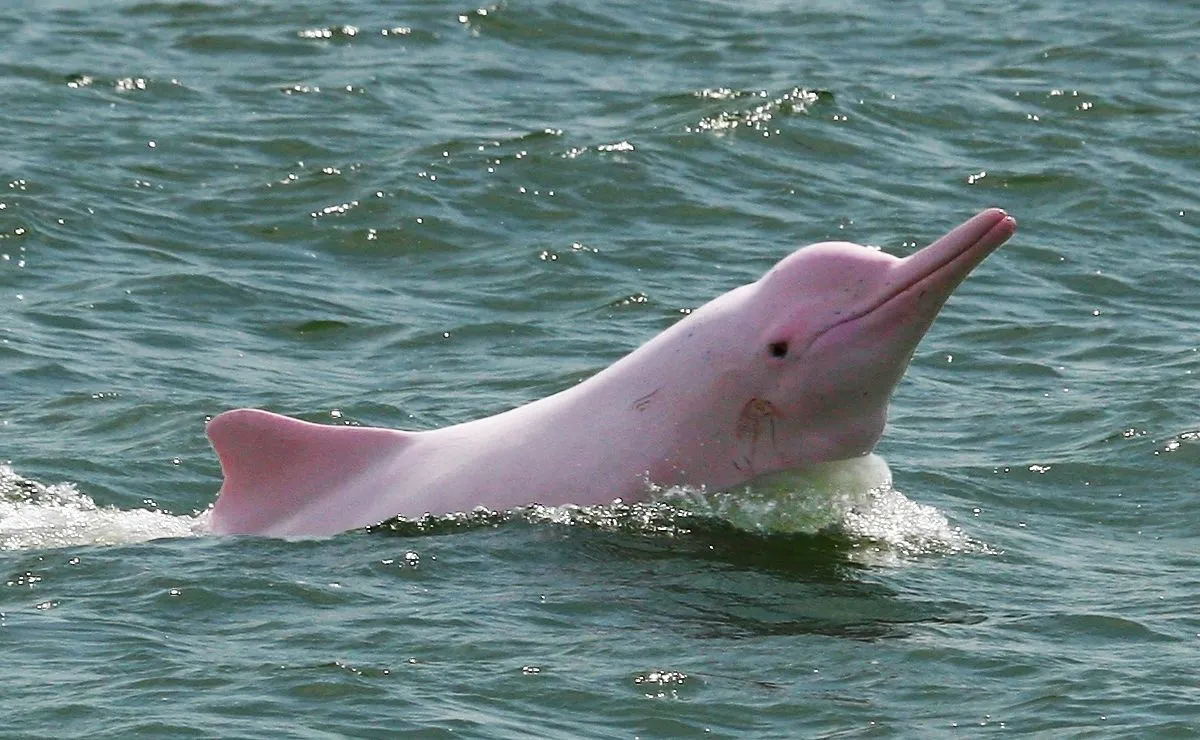 Amazon pink dolphins.[/caption>
A species at risk due to multiple threats
As part of the operation, some adult specimens were identified with subcutaneous chips that will allow monitoring their health and behavior. This technology is key to studying their adaptation and planning future conservation actions.
The dolphins have been classified as an endangered species since 2018. In addition to habitat reduction, they face other threats such as pollution from toxic waste, accelerated deforestation, and river traffic, which disrupts their natural migration routes.
The deterioration of water quality, along with the expansion of human activities in fragile ecosystems, seriously compromises the survival of this emblematic species. Their rescue not only reveals their critical state but also the urgent need to strengthen environmental policies.
Conserving wetlands, protecting life
The Amazonian wetlands are essential for the life of these dolphins and many other species. They act as natural reservoirs, regulate the climate, and support local communities. Their deterioration directly impacts biodiversity.
Bolivia is home to one of the largest populations of pink river dolphins in South America. Protecting them involves not only responding to emergencies but also implementing prevention strategies, river restoration, and environmental education.
Each rescue is a reminder of what is at stake: the lives of unique beings, but also the balance of an entire ecosystem that depends on clean water, thriving forests, and responsible human action.



