



During the summers on the Atlantic coast of Argentina and Uruguay, it is common for marine wildlife —sea lions, elephant seals, penguins, or even cetaceans— to appear on the sand.
These episodes, which can generate surprise or curiosity among tourists, require caution and respect to protect both the animals and people.
A recent case in San Clemente exemplifies this: a small sea lion entered a group of tourists’ tent and remained calm, which resulted in a viral video. However, specialists remind that these situations are not always harmless and that it is essential to follow clear behavioral guidelines.
Recommendations from protection entities
SO.CO.BIO.MA (Maldonado, Uruguay)
- Maintain the greatest possible distance from any sighting.
- Do not approach, wet, or feed the animal.
- Keep dogs away.
- Avoid attempts at improvised help.
- Notify authorities or call the rescue number (092727317) if the animal is injured or disoriented.
Fundación Ecológica Pinamar (Argentina)
- Maintain between 30 and 50 meters of distance.
- Never attempt selfies, contact, or feeding.
- Do not return them to the sea: they know when to return.
- Notify the municipality, lifeguards, or contact the foundation (+549 2254 58 6960).
- Prevent loose dogs from approaching pinnipeds (sea lions, seals, and fur seals).
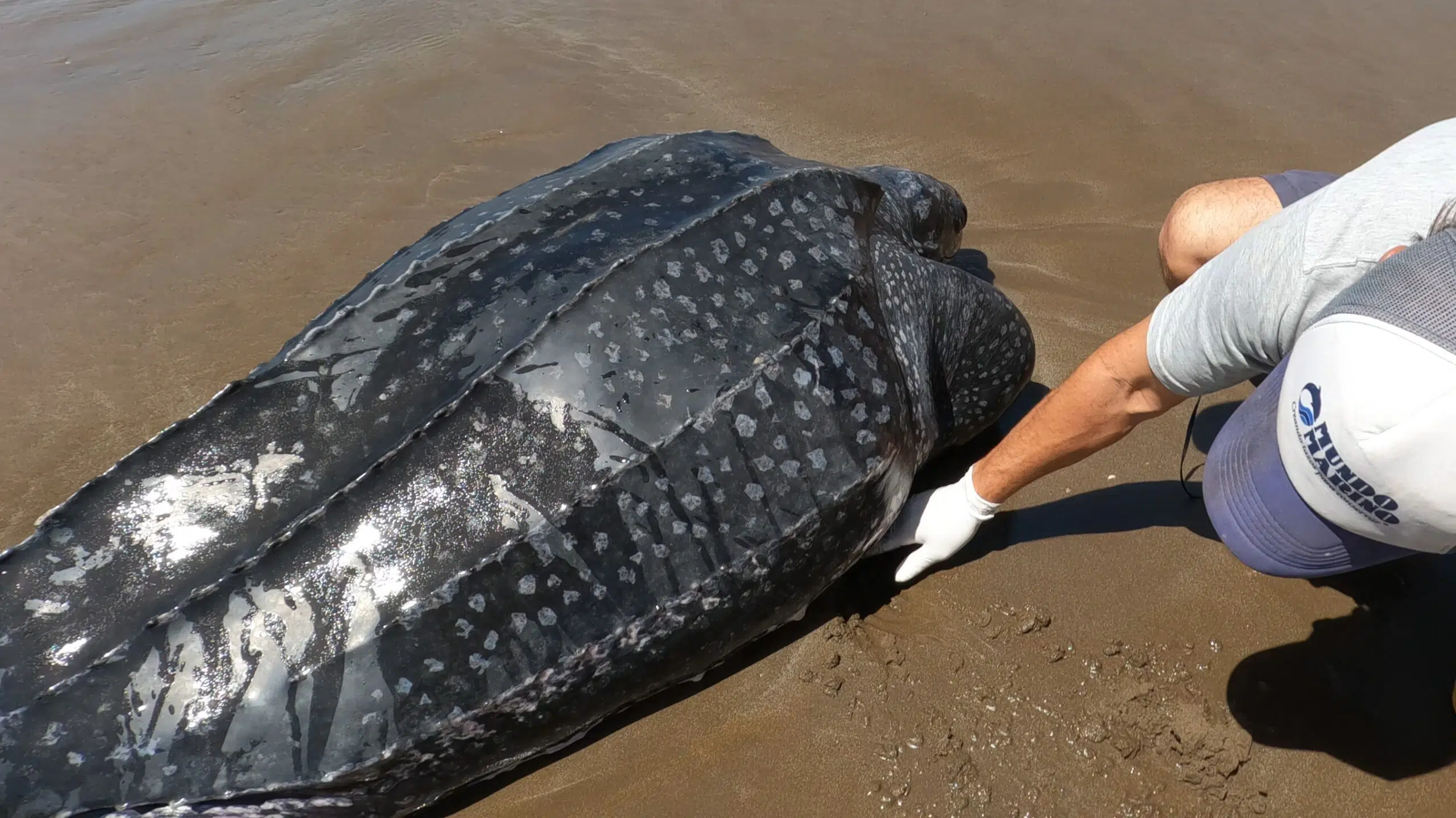
Fundación Mundo Marino
- Healthy sea lions and elephant seals: observe from a distance and keep pets away.
- Injured, entangled, or weak animals: immediately notify the rescue center (02252 43-0300) or local authorities.
- Penguins or cetaceans on the sand: require urgent intervention, as they are often sick or disoriented.
- “The main indication is not to touch or disturb the animal under any circumstances,” emphasized biologist Sergio Rodríguez Heredia.
Portal Gesell
- Maintain at least 15 meters of distance.
- Do not intervene or create noises that might disturb them.
- Keep pets away.
- Consider the respect and protection of these species as a shared responsibility.
Civic Responsibility
All entities agree that citizen collaboration is key:
- Provide timely notice to authorities.
- Avoid crowds around the animal.
- Facilitate the rescue task and reduce risks for everyone on the beach.
The episode in San Clemente, resolved thanks to the intervention of a specialized team, demonstrates the importance of following preventive recommendations and maintaining a respectful coexistence with marine wildlife.
Institutional coordination and community commitment are essential to ensure the protection of these species and the safety of vacationers during the summer season.


