



La organización Aves Argentinas completed the acquisition of a section of Estancia La Rosita, in the province of Corrientes, where it will establish its second natural reserve, covering almost 1,300 hectares, located about 20 km from the town of Alvear.
This achievement strengthens the conservation of the grasslands and marshes ecoregion, one of the most threatened and least represented ecosystems in the country’s protected areas system.
Unique biodiversity and threatened species
La Rosita hosts a globally significant biological wealth:
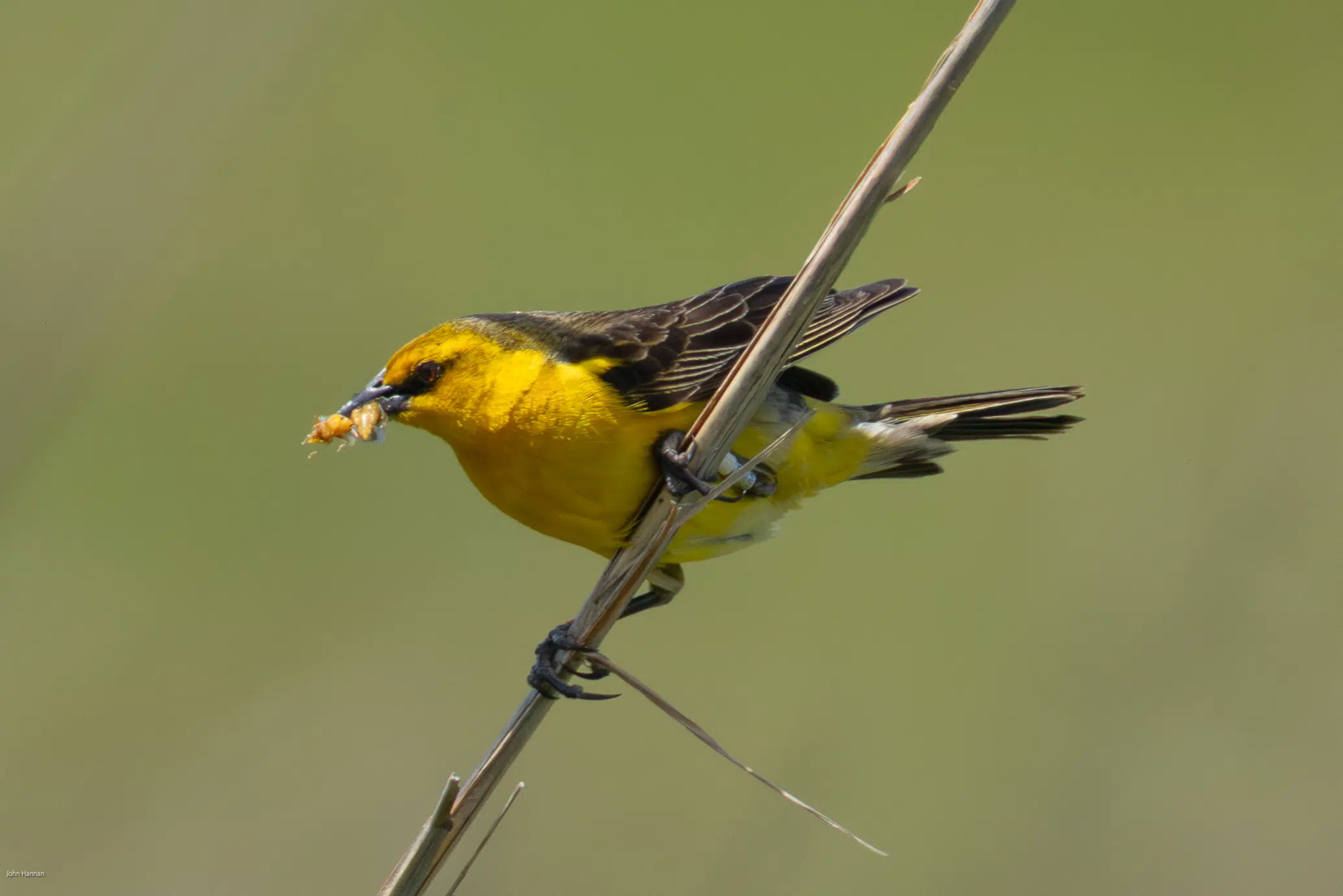
- Yellow Cardinal (Xanthopsar flavus): critically endangered species and a symbol of grassland conservation.
- Iberá Seedeater (Sporophila iberaensis), Black-and-white Monjita (Heteroxolmis dominicana), and Strange-tailed Tyrant (Alectrurus risora): categorized as vulnerable by the IUCN.
- More than 180 bird species recorded.
- Mammals such as the Marsh Deer (Blastocerus dichotomus) and the Maned Wolf (Chrysocyon brachyurus), both vulnerable according to SAREM.
The Aguapey River basin: a key area
The reserve is located in the Aguapey River basin, considered one of Argentina’s most critical Key Biodiversity Areas (KBA). Currently, only 0.1% of grasslands and marshes have legal protection, while the expansion of pine and eucalyptus forestry degrades and fragments the natural grassland.
In the framework of 2026, declared by the UN as the International Year of Grasslands and Pastoralists, the creation of this reserve is especially relevant, highlighting the value of these unique and productive ecosystems.
Conservation and sustainable production projects
La Rosita will be a space for:
- Continuing the Yellow Cardinal Project, coordinated with the CECOAL-CONICET, which has already improved the species’ reproductive success.
- Conducting carbon capture trials in grasslands under different grazing loads.
- Promoting sustainable livestock practices, in partnership with producers across the country through the Grassland Alliance.
- Encouraging nature tourism, with renewed infrastructure for researchers, volunteers, and birdwatchers.
Voices of conservation
- Hernán Casañas, Executive Director of Aves Argentinas: “We are helping to ensure that species dependent on well-conserved grasslands do not disappear as forest production with exotic species expands”.
- Ian Davidson, BirdLife International: highlighted that protecting the Aguapey basin is a way to celebrate the 20 years of the Grassland Alliance, emphasizing the value of network work.
- Daniel Lebbin, American Bird Conservancy: “Protecting a part of this Key Biodiversity Area in Argentina is rewarding, important, and will result in a better future for the region’s threatened birds”.
The creation of the La Rosita reserve represents a strategic advance in the conservation of Argentine grasslands. It ensures critical habitats for globally threatened species and promotes a sustainable development model that integrates production, conservation, and nature tourism.



